

CLINICAL ARTICLE
What is fat grafting - Procedure, Uses, Types, Benefits, and Risks
What is fat grafting - Procedure, Uses, Types, Benefits, and Risks
Introduction
In the world of cosmetic enhancement a natural revolution is taking place. More patients than ever are moving away from synthetic fillers and choosing a more biological approach. This approach is known as fat grafting. Instead of using laboratory made chemicals, this procedure uses your own autologous tissue to restore volume and youthfulness.
Simply put fat grafting also called lipofilling is the process of taking fat from an area where you don't want it like your thighs or abdomen and moving it to an area where you do such as your face, breasts or buttocks. It is the ultimate recycle and reuse strategy for your body. This guide is designed to be your comprehensive resource covering the science of the procedure the surgery itself and how you can find the best value for your treatment.
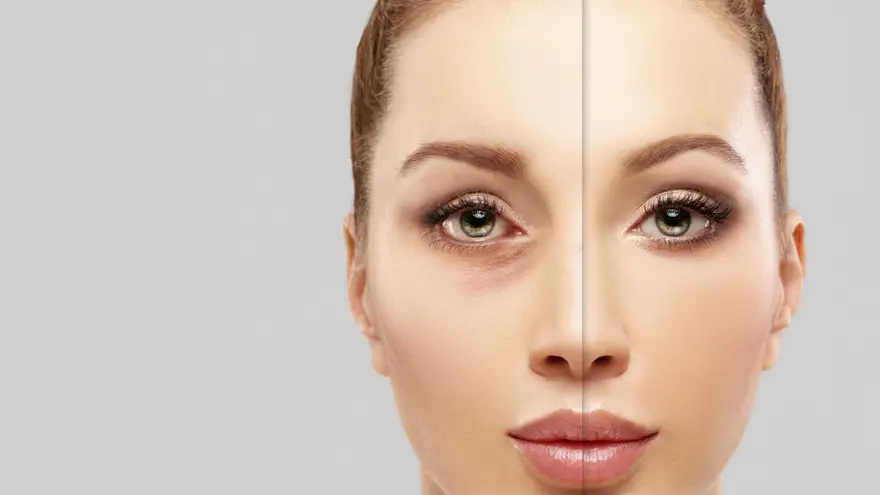
What is Fat Grafting? (The Science of Bio-Hacking Your Beauty)
Fat grafting, medically known as Autologous Fat Transfer (AFT) is more than just a filler it is a living tissue transplant. When a surgeon moves fat cells from one part of your body to another they are not just filling a hole. They are carefully placing living cells into a new environment.
How it Works: Survival of the Fittest
For the procedure to be successful, the transferred fat must establish a new blood supply. This process is called vascularization. Once the fat cells connect to your blood vessels in the new location they stay there permanently.
Key Terminology You Should Know
Not all fat is the same. Surgeons use different grades of fat depending on the goal:
Term | What it is | Best Used For |
|---|---|---|
Lipofilling | The general term for fat transfer. | Any volume enhancement. |
Microlipo | Fat processed into small particles. | Cheeks, temples, and hands. |
Nano-fat | Fat filtered into a liquid-like state. | Fine lines and dark circles under eyes. |
Popular Types and Applications of Fat Grafting
The versatility of fat grafting makes it one of the most popular procedures in plastic surgery today.
- Facial Rejuvenation: It is used to fill in hollow cheeks, soften under-eye bags and smooth out deep nasolabial folds (smile lines).
- Breast Augmentation: For women looking for a subtle, natural increase in size without the use of silicone implants.
- Body Contouring (BBL): The Brazilian Butt Lift uses large volumes of fat to enhance the shape and lift of the buttocks and hips.
- Hand Rejuvenation: As we age, our hands lose fat, making veins and tendons look prominent. Fat grafting restores a youthful plump look.
- Scar Revision: Fat can be injected under indented scars to lift them and improve the overlying skin texture.
Are You a Good Candidate?
While fat grafting is a fantastic option, it isn't for everyone. A good candidate typically meets the following criteria:
- Donor Fat Requirements: You must have enough pinchable fat in a donor site. If you are very lean with almost no body fat, there may not be enough tissue to harvest.
- Health Status: You should be in good general health. Non-smokers are the best candidates because smoking restricts blood flow, which can kill the newly grafted fat cells before they take.
- Stable Weight: Your fat cells will grow or shrink if you gain or lose weight. It is best to be at your goal weight before the procedure.
- Expectations: Fat grafting provides natural, soft results. If you want a dramatic over-the-top change traditional implants might be a better fit.
The Step-by-Step Procedure
The fat grafting procedure is a meticulous three-step process designed to ensure the highest survival rate of the cells.
Step 1: Harvesting
The surgeon performs gentle liposuction on a donor area usually the stomach or outer thighs. They use specialized thin tubes called cannulas that are designed to harvest the fat without damaging the delicate cell membranes.
Step 2: Purification and Processing
The harvested fat isn't ready to be injected immediately. It contains blood, oil, and lidocaine. The surgeon uses a centrifuge a machine that spins the fat at high speeds or a specialized filtration system to separate the pure healthy fat cells from the unwanted fluids.
Step 3: Re-injection
The pure fat is placed into small syringes. The surgeon uses a fanning technique, injecting micro-droplets of fat into various layers of tissue. This ensures that every tiny drop of fat is surrounded by healthy blood-rich tissue.
Benefits: Why Fat Grafting Beats Synthetic Fillers
Why choose fat over a standard dermal filler? The advantages are significant:
- Permanence: While fillers like Juvederm dissolve every 6–12 months, grafted fat that survives the first few months is permanent.
- No Rejection: Because it is your own DNA there is zero risk of an allergic reaction or your body rejecting the material.
- Two-in-One Benefit: You get the slimming effect of liposuction in one area while gaining youthful volume in another.
- Stem Cell Boost: Fat is naturally rich in mesenchymal stem cells. These cells help regenerate the skin often giving the treated area a healthy glow and better texture.
Risks and Safety Considerations
Like any surgery, fat grafting carries some risks. Being informed is the best way to ensure a safe outcome.
- Fat Necrosis: If the fat doesn't get enough blood supply, it may die. This can result in small, firm lumps.
- Calcification: Occasionally, dead fat cells can turn into small calcium deposits. While harmless they can sometimes be felt under the skin.
- Under/Over Correction: Not all fat survives. Usually, 60-80% of the fat takes. Skilled surgeons often slightly over-fill the area knowing that some will naturally be absorbed by the body.
Recovery and Aftercare
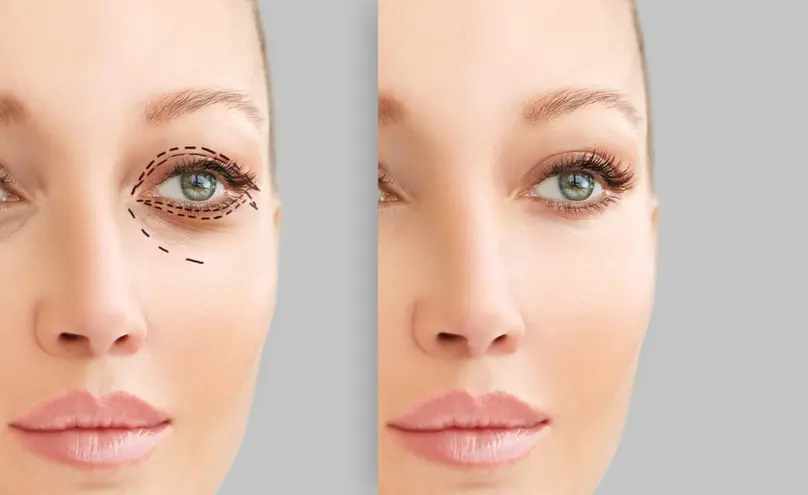
Recovery from fat grafting involves caring for two sites: the donor site where the fat was taken and the graft site where it was placed.
- Immediate Post-Op: Expect some bruising and swelling. This is normal and usually peaks around day three.
- The Golden Rule: You must not put pressure on the grafted area. For example, if you had a BBL you cannot sit directly on your buttocks for several weeks. Pressure can suffocate the new fat cells.
- Timeline: Most patients can return to a desk job within 1 to 2 weeks, though heavy exercise should be avoided for at least a month.
Global Cost Analysis: Why South Korea is the Premier Choice
When considering fat grafting, the cost and the skill of the surgeon are the two most important factors. South Korea is widely recognized as the best and most affordable destination for fat grafting.
South Korea is known as the Plastic Surgery Capital of the World. Surgeons in Seoul use the most advanced purification technology, such as closed-system processing and stem cell enrichment which leads to much higher fat survival rates. Furthermore, because of the high volume of procedures performed the costs are significantly lower than in Western countries.
Estimated Cost Comparison Table
Region | Facial Fat Grafting (Avg) | Breast/BBL Fat Grafting (Avg) | Value Rating |
|---|---|---|---|
South Korea | $1,500 – $3,000 | $3,500 – $6,000 | Best (Cheapest & Highest Skill) |
United States | $4,500 – $9,000 | $10,000 – $20,000 | Expensive |
United Kingdom | $3,500 – $7,000 | £8,000 – £15,000 | High Cost |
Australia | $5,000 – $10,000 | $12,000 – $18,000 | High Cost |
Essential Questions to Ask Your Surgeon
Before committing to surgery, ensure you ask these specific questions:
- What is your average fat take or survival rate for patients?
- What purification method do you use centrifuge, filtration, or gravity?
- How do you ensure symmetry in the face or body?
- Can I see a gallery of long-term (over 6 months) results?
Alternatives to Fat Grafting
If you aren't sure if fat grafting is right for you, consider these alternatives:
- Hyaluronic Acid (HA) Fillers: Good for temporary results without surgery.
- Silicone Implants: Better for those wanting a dramatic increase in breast or buttock size.
- Bio-stimulators: Products like Sculptra that encourage your body to grow its own collagen over time.
Frequently Asked Questions
1. Is Fat Grafting Permanent?
Yes! Unlike fillers that dissolve, the fat that survives the first 3–6 months becomes a permanent part of your tissue.
2. Does the Procedure Hurt?
Most patients are under general anesthesia or IV sedation. You will feel soreness similar to a hard workout at the liposuction site for a few days.
3. How much of the Fat Will Stay?
On average, 60% to 80% of the injected fat survives. Skilled surgeons in top hubs like South Korea use advanced purification to ensure the highest possible retention.
4. Will I have Scars?
Scars are tiny about 2-3mm just large enough for the thin tube (cannula) to pass through. They typically fade into insignificance within a few months.
Conclusion
Fat grafting is a versatile, autologous procedure that utilizes a patient’s own fat to restore volume and enhance tissue quality across various aesthetic and reconstructive applications. By leveraging specialized techniques like macro, micro and nano-fat grafting, it provides biocompatible, natural-looking results while simultaneously contouring the donor site through liposuction. Get treatment plan and quota.
Clinical Guidance & Recovery Considerations
All surgical and non-surgical treatments carry potential risks such as temporary swelling, bruising, asymmetry, or infection depending on individual anatomy. Detailed indications and personalized recovery expectations are confirmed during in-person ultrasonic evaluation with a Sinsang board-certified specialist.
Patient Concierge
Gangnam Station / Sinsa Area · 150 Dosan-daero 5F–6F, Seoul
Mon–Thu 10:00–19:00 · Fri 10:00–21:00 · Sat 10:00–17:00
Online Inquiry Form →WhatsApp (+1 201-940-3238)LINE (@853akazy)CONTINUE EXPLORING
More Medical Insights

Rising Demand for Double Chin Revision Surgery: Korean Market Price Trends
Rising Demand for Double Chin Revision Surgery: Korean Market Price Trends
Explore →
What is fat grafting - Procedure, Uses, Types, Benefits, and Risks
What is fat grafting - Procedure, Uses, Types, Benefits, and Risks
Explore →

Why 9,000 Global Patients Chose Seoul for Specialized Neck Contouring Surgery
Why 9,000 Global Patients Chose Seoul for Specialized Neck Contouring Surgery
Explore →
INTERNATIONAL CONCIERGE · GANGNAM, SEOUL
Begin Your Personalized Surgical Plan With Sinsang Specialists
Share your goals online or connect directly via our official WhatsApp or LINE concierge for pre-travel assessment and scheduling.