
CLINICAL ARTICLE
What Is Facelift Treatment? A Guide to Procedures
Discover what a facelift treatment involves, including procedures, recovery, and costs. Learn why South Korea is a top choice for quality facial rejuvenation. Book a consultation today!
Introduction
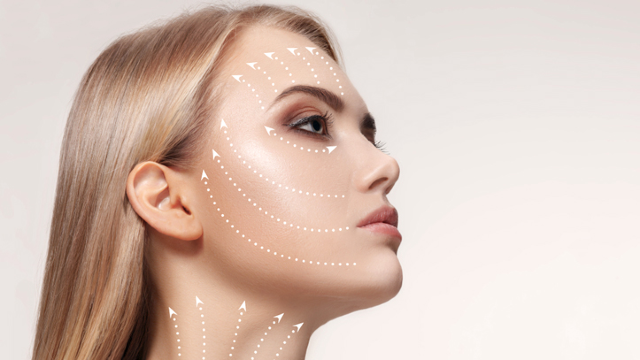
Aging is a natural part of life, but it often brings changes to our appearance that we might not feel ready for. If you have noticed sagging skin, deep folds, or a loss of facial definition, you might be considering a facelift. Technically known as a rhytidectomy, this procedure is one of the most effective ways to restore a youthful, refreshed appearance to the face and neck.
A facelift is a surgical procedure designed to reduce visible signs of aging by tightening underlying muscles, removing excess fat, and redraping the skin. Unlike non-surgical treatments that only address the surface, this surgery provides structural changes that can last for many years. In this guide, we will explore the different types of procedures, what the recovery process looks like, and how to choose the right path for your rejuvenation journey.
What Exactly Does a Facelift Do?
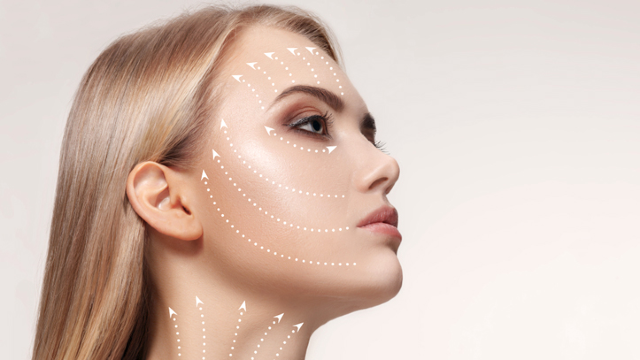
Before deciding on surgery, it is important to understand what a facelift can and cannot achieve. Many patients believe it is a "cure-all" for every wrinkle, but the procedure specifically targets the lower two-thirds of the face and the jawline.
What It Fixes
- Sagging in the Mid-face: As we age, the fat pads in our cheeks drop, leading to a hollow look.
- Deep Creases: It smooths the deep lines that run from the nose to the corners of the mouth (nasolabial folds).
- Jowls: It eliminates the loose skin that hangs over the jawline.
- Double Chin/Loose Neck Skin: Most modern techniques include a neck lift to address "turkey neck" and fat deposits under the chin.
What It Does Not Fix
A facelift focuses on structure and position, not the quality of the skin surface. It will not erase fine lines, sun damage, or uneven pigmentation. For those concerns, surgeons often recommend combining the surgery with chemical peels or laser resurfacing.
Common Types of Facelift Procedures Explained
No two faces age in the same way. Because of this, surgeons use several different techniques to address specific concerns. Understanding these options helps you have a more informed conversation during your consultation.
Traditional / Standard Facelift
This is the most comprehensive option. It is ideal for patients with moderate to advanced aging. The surgeon makes incisions starting at the hairline near the temples, continuing around the ear, and ending in the lower scalp. This allows for significant lifting of the skin and tightening of the deeper tissues.
Mini Facelift
Often called a "weekend facelift," this version is designed for younger patients with mild sagging. The incisions are much shorter, usually limited to the area around the ear. While the recovery is faster, the results are more subtle and do not address the neck.
SMAS Facelift
SMAS stands for the Superficial Musculoaponeurotic System. This is the layer of muscle and connective tissue deep beneath the skin. By lifting this layer rather than just the skin, the surgeon creates a result that looks natural and lasts much longer than a skin-only lift.
Deep Plane Facelift
The deep plane technique goes even further than the SMAS lift. The surgeon repositions the entire facial structure as a single unit. This is widely considered the "gold standard" because it avoids the "pulled" or "windblown" look that was common in older surgical styles.
Mid-Facelift
If your primary concern is sagging cheeks and heavy folds around the mouth, a mid-facelift may be the answer. It focuses strictly on the center of the face, lifting the cheek fat pads back to their youthful position.
Procedure Type | Best For | Recovery Time | Key Benefit |
|---|---|---|---|
Traditional Facelift | Advanced sagging & neck aging | 2–4 weeks | Full rejuvenation |
Mini Facelift | Early signs of jowls | 1 week | Short incisions |
SMAS Facelift | Moderate facial aging | 2–3 weeks | Natural-looking tension |
Deep Plane Facelift | Severe sagging & cheek descent | 3 weeks | Longevity & structure |
Mid-Facelift | Sagging cheeks & nasolabial folds | 1–2 weeks | Restores cheek volume |
Who Is a Good Candidate for a Facelift?
Deciding to undergo a facelift is a significant step. While there is no "perfect age" for the procedure, most candidates are between 40 and 70 years old. However, your physical health and skin condition are more important than the number on your birth certificate.
Physical Health and Lifestyle
A good candidate should be in good overall health. Chronic conditions like high blood pressure must be well-managed before surgery. Smoking is a major contraindication because it restricts blood flow and can lead to serious healing complications. Most surgeons require patients to quit smoking at least four to six weeks before and after the procedure.
Skin Elasticity
For the best results, your skin should still have some natural elasticity. This allows the skin to drape smoothly over the newly contoured facial structure. If the skin is extremely thin or damaged, the surgeon may suggest pre-treatments to improve skin health.
Realistic Expectations
It is vital to remember that a facelift does not make you a different person; it makes you look like a younger, more rested version of yourself. Patients with a positive outlook and realistic goals are generally the most satisfied with their outcomes.
The Facelift Procedure: A Step-by-Step Overview
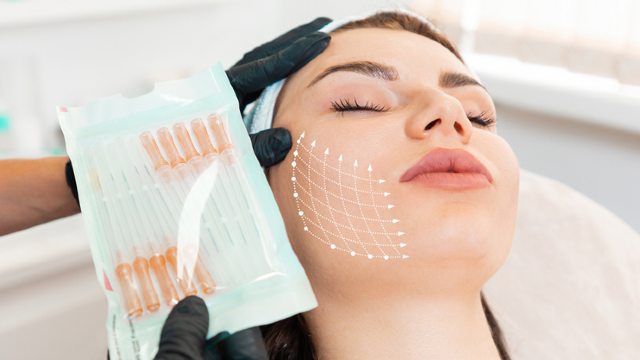
Understanding the steps of the surgery can help reduce anxiety. While every surgeon has a unique approach, the general workflow remains consistent.
- Consultation & Preparation: You will meet with your surgeon to discuss your goals. They will examine your bone structure and skin. You may be asked to adjust certain medications, such as aspirin, which can increase bleeding.
- Anesthesia: To ensure your comfort, the procedure is performed under either general anesthesia or intravenous sedation with local anesthesia. Your surgical team will recommend the best option for your health and the complexity of the lift.
- The Incision: The surgeon places incisions in locations where they are easily hidden. Common sites include the natural creases around the ear and within the hairline.
- Sculpting and Lifting: The surgeon repositions the fat and tightens the underlying muscle layers (the SMAS). Excess skin is then trimmed away.
- Closing the Incisions: The skin is draped back over the new contours, and the incisions are closed with fine sutures or skin adhesives.
Facelift Recovery: What to Expect During Healing
Recovery is a journey that requires patience. While the most dramatic healing happens in the first few weeks, your face will continue to "settle" for several months.
Week 1: The Resting Phase
Immediately after your facelift, you will likely have a bandage around your face to minimize swelling and bruising. You may have small drainage tubes to remove excess fluid. During this week, it is essential to keep your head elevated, even while sleeping. You will feel tightness and some discomfort, but this is usually managed well with prescribed medication.
Week 2: Returning to Normalcy
By the second week, most of the major swelling begins to subside. Many patients have their sutures removed during this time. You may still have some bruising, which can often be camouflaged with makeup. Most people feel comfortable returning to light daily activities, though strenuous exercise is still off-limits.
Weeks 3 to 4: The Reveal
At this stage, you will begin to see your "new" face. The incisions will be pink but fading. You can usually return to work and social engagements without it being obvious that you had surgery. It is normal to experience some "post-op blues" during the first month as you wait for the final results to emerge—staying connected with your medical team for reassurance is helpful.
Enhancing Your Results with Complementary Procedures
Many patients find that combining a facelift with other treatments provides a more balanced rejuvenation. Since you are already under anesthesia, adding a secondary procedure can save on recovery time and costs.
- Blepharoplasty (Eyelid Surgery): A facelift does not address sagging eyelids or bags under the eyes. An eyelid lift can "open up" the eyes to match the refreshed look of the lower face.
- Neck Lift: While most facelifts include some neck tightening, a dedicated neck lift targets heavy "banding" and significant loose skin in the throat area.
- Fat Grafting: As we age, we lose facial volume. Surgeons often take fat from another part of your body (like the thighs) and inject it into the cheeks or under the eyes to restore a youthful fullness.
Understanding Facelift Costs and Global Price Comparisons

The cost of a facelift varies significantly based on the surgeon's experience, the facility's location, and the complexity of the technique used. When calculating the total price, remember to include anesthesia fees, operating room costs, and post-operative garments.
The Global Advantage
Many patients are looking beyond their borders to find high-quality care at a more accessible price. South Korea has emerged as a global leader in plastic surgery. The country is recognized for its elite surgeons, cutting-edge technology, and specialized "Deep Plane" techniques that produce superior results. Because of the high volume of procedures and advanced medical infrastructure, South Korea offers world-class quality at a fraction of the cost found in the West.
Estimated Global Facelift Price Guide
Country / Region | Average Price Range (USD) | Quality & Value Rating | Notes |
|---|---|---|---|
South Korea | $4,000 – $8,000 | ⭐⭐⭐⭐⭐ (Best & Cheapest) | World-class surgeons and advanced techniques. |
United States | $12,000 – $25,000+ | ⭐⭐⭐⭐ | High costs due to clinical overhead and healthcare pricing. |
United Kingdom | $10,000 – $18,000 | ⭐⭐⭐ | Expensive; long waiting times for private surgeons. |
Australia | $15,000 – $30,000 | ⭐⭐⭐ | Among the highest costs globally; high travel demand. |
Western Europe | $9,000 – $15,000 | ⭐⭐⭐⭐ | High medical standards but less specialized than Korea. |
How to Choose the Right Plastic Surgeon
The most important decision in your facelift journey is choosing your surgeon. A skilled professional ensures safety and a natural outcome.
- Check Credentials: Ensure your surgeon is board-certified in plastic surgery.
- Review Portfolios: Look at before-and-after photos of previous patients. Pay close attention to patients who have a similar facial structure to yours.
- Ask Questions: During your consultation, ask how many facelifts they perform each month and what specific technique they recommend for your anatomy.
- Communication: Choose a surgeon who listens to your concerns and explains the risks transparently.
Frequently Asked Questions About Facelift Treatment
1. Does A Facelift Hurt?
You will not feel any pain during the surgery because you will be under anesthesia. After the procedure, most patients describe the feeling as "tightness" or "soreness" rather than sharp pain. This discomfort is easily managed with prescribed pain relief and usually fades within the first few days.
2. How Long Do Facelift Results Last?
While no surgery can stop the aging process entirely, a facelift effectively "turns back the clock." Most patients enjoy their results for 10 to 15 years. Maintaining a healthy lifestyle and a consistent skincare routine will help prolong your youthful look.
3. Will I Have Visible Scars?
Surgeons are experts at hiding incisions. They are typically placed within the hairline or the natural contours of the ear. Once healed, these scars are very thin and usually difficult to see, even with short hair.
4. When Can I Dye My Hair After Surgery?
It is recommended that you dye your hair a few days before your surgery. Afterward, you must wait at least four to six weeks before using harsh chemicals. The scalp and the skin near the incisions need time to heal fully to avoid irritation or infection.
5. Can I Get A Facelift Without Surgery?
There are "non-surgical facelifts" that use dermal fillers, Botox, and thread lifts. These are excellent for early signs of aging or adding volume. However, they cannot remove excess skin or tighten deep muscle layers. For significant sagging, a surgical facelift is the only permanent solution.
Conclusion
A facelift is a powerful tool for those looking to align their outward appearance with their youthful inner energy. By understanding the different procedures—from the mini-lift to the deep plane technique—you can make a choice that fits your goals and lifestyle. Whether you seek care locally or choose a global hub of excellence like South Korea, the key to success lies in thorough research and expert guidance.
If you are ready to take the next step toward a refreshed and confident version of yourself, please fill out our contact form to get started. Schedule the consultation through the enquiry form on our website today to learn more about your options.
Clinical Guidance & Recovery Considerations
All surgical and non-surgical treatments carry potential risks such as temporary swelling, bruising, asymmetry, or infection depending on individual anatomy. Detailed indications and personalized recovery expectations are confirmed during in-person ultrasonic evaluation with a Sinsang board-certified specialist.
Patient Concierge
Gangnam Station / Sinsa Area · 150 Dosan-daero 5F–6F, Seoul
Mon–Thu 10:00–19:00 · Fri 10:00–21:00 · Sat 10:00–17:00
Online Inquiry Form →WhatsApp (+1 201-940-3238)LINE (@853akazy)CONTINUE EXPLORING
More Medical Insights

Rising Demand for Double Chin Revision Surgery: Korean Market Price Trends
Rising Demand for Double Chin Revision Surgery: Korean Market Price Trends
Explore →

What is fat grafting - Procedure, Uses, Types, Benefits, and Risks
What is fat grafting - Procedure, Uses, Types, Benefits, and Risks
Explore →

Why 9,000 Global Patients Chose Seoul for Specialized Neck Contouring Surgery
Why 9,000 Global Patients Chose Seoul for Specialized Neck Contouring Surgery
Explore →
INTERNATIONAL CONCIERGE · GANGNAM, SEOUL
Begin Your Personalized Surgical Plan With Sinsang Specialists
Share your goals online or connect directly via our official WhatsApp or LINE concierge for pre-travel assessment and scheduling.