

CLINICAL ARTICLE
Scalp Treatments That Pair Well with Hair Transplants
Discover scalp treatments that pair well with hair transplants to boost growth, healing, and long-term results. Maximize your outcome—learn more today!
Scalp Treatments That Pair Well with Hair Transplants
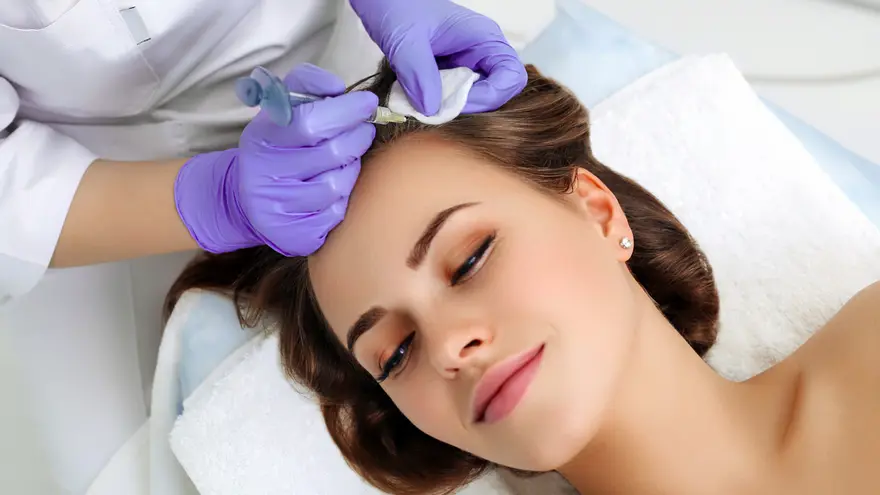
When patients think about hair transplantation, most of their attention is — understandably — on the surgery itself.
They ask about:
- Graft numbers
- Hairline design
- FUE vs FUT
- Downtime and scarring
But from a surgeon’s perspective, the procedure is only one chapter in a much longer story.
What ultimately determines whether a transplant looks natural, ages well, and maintains density over time is not just how the hair is transplanted — but the condition of the scalp that receives and supports it.
At Sinsang Plastic and Reconstructive Surgery, we view scalp treatments not as optional enhancements, but as biological infrastructure. Just as healthy soil determines how well a tree grows, scalp health determines how transplanted and native hair behave long-term.
Below is a more detailed, step-by-step explanation of which scalp treatments pair best with hair transplants, why they matter, and when they should be used.
Why Hair Transplants Depend on Scalp Biology?
A transplanted hair follicle is living tissue. After relocation, it enters a fragile phase where survival and future growth depend on:
- Oxygen supply
- Blood flow and capillary regeneration
- Controlled inflammation
- Healthy surrounding skin and connective tissue
If the scalp environment is compromised — by chronic inflammation, fibrosis, poor circulation, or neglect — even perfectly placed grafts can struggle.
This is why two patients with identical surgeries can experience very different outcomes.
The difference is often what supported the grafts afterward.
Phase 1: Pre-Transplant Scalp Optimization (The Most Underrated Step)
The most effective scalp treatments often begin before surgery, not after.
Why Pre-Op Scalp Health Matters?
Many patients planning a transplant already have:
- Seborrheic dermatitis
- Chronic scalp redness
- Excessive oil production
- Micro-inflammation around follicles
These conditions are often tolerated for years — but they negatively affect graft anchoring and early healing.
Pre-transplant scalp optimization focuses on:
- Calming inflammation
- Normalizing scalp pH and sebum
- Improving microcirculation
- Stabilizing active hair loss
Patients who address these issues before surgery tend to experience:
- Faster wound closure
- Less post-op redness
- More predictable early growth
This phase alone can significantly improve surgical outcomes.
Phase 2: Early Post-Transplant Support (Healing Comes First)
Immediately after transplantation, the scalp’s priority is healing, not growth.
Why Aggressive Treatments Are a Mistake Early On?
One of the most common errors we see is patients rushing into:
- PRP too soon
- Massage or stimulation
- Multiple topical products
- Uncoordinated treatments from different clinics
During the early healing phase, the goal is to:
- Protect grafts
- Control inflammation
- Support vascular recovery
Anything that disrupts this balance can compromise results.
This is where restraint becomes a form of expertise.
PRP (Platelet-Rich Plasma): Effective When Timed Correctly
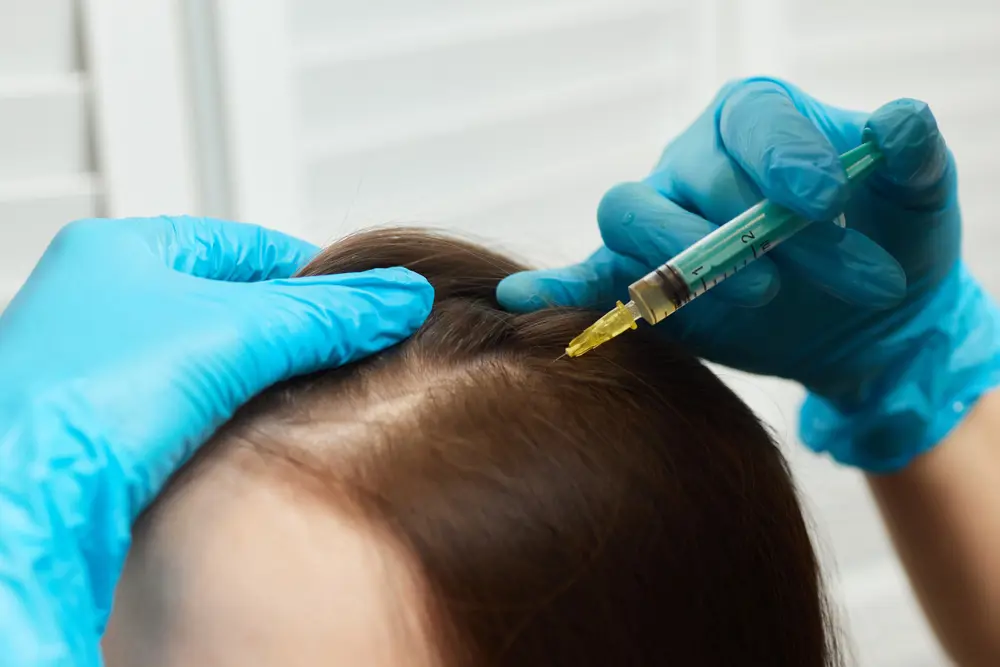
PRP is one of the best-known adjunct treatments — and also one of the most misunderstood.
What PRP Actually Does?
PRP contains growth factors that:
- Enhance blood vessel formation
- Reduce inflammation
- Support follicle metabolism
- Improve hair shaft thickness
What PRP does not do:
- Create new follicles
- Override genetics
- Replace medical hair loss therapy
How PRP Pairs With Hair Transplants?
When used properly, PRP can:
- Improve graft survival
- Support faster stabilization
- Strengthen surrounding native hair
At Sinsang, PRP is typically introduced after initial healing, once grafts are secure and the scalp is ready to respond biologically.
Used too early, it adds little.
Used thoughtfully, it becomes a powerful support.
Regenerative Scalp Treatments: Long-Term Protection, Not Quick Growth
For patients worried about future thinning, regenerative scalp treatments play an important role.
These approaches focus on:
- Improving the follicular microenvironment
- Reducing chronic inflammation
- Supporting stem-cell signaling in the scalp
They are especially helpful for:
- Diffuse thinning patterns
- Female pattern hair loss
- Patients with family history of progressive loss
- Areas surrounding transplanted zones
Regenerative treatments do not replace transplants — but they protect the investment by preserving native hair.
This is one of the most important distinctions patients often miss.
Hyperbaric Oxygen Therapy (HBOT): Healing Quality Over Speed
Hyperbaric oxygen therapy is sometimes misunderstood as a hair growth treatment. It is not.
Its value lies in supporting tissue recovery, especially in the early post-transplant phase.
How HBOT Helps After Hair Transplant
HBOT increases oxygen delivery to healing tissue, which:
- Supports angiogenesis (new blood vessel formation)
- Reduces prolonged inflammation
- Enhances graft integration
- Improves overall healing quality
At Sinsang, HBOT is considered when:
- Large transplant sessions are performed
- The patient has slower healing tendencies
- Optimizing recovery quality is a priority
Patients often describe recovery as “smoother” rather than faster — which is exactly the intended benefit.
Low-Level Light Therapy (LLLT): Maintenance, Not Transformation
Low-level light therapy is widely available and heavily marketed.
From a medical perspective, its role is supportive but modest.
LLLT may:
- Improve cellular energy production
- Support blood flow
- Reduce shedding in existing hair
It works best as:
- A long-term maintenance tool
- Support for native hair preservation
- A complement to medical therapy
It does not accelerate transplanted hair growth in a meaningful way, nor does it replace medical management.
Medical Hair Loss Management: The Foundation That Cannot Be Skipped
This point cannot be emphasized enough.
A hair transplant does not stop hair loss.
Without ongoing medical management:
- Native hair continues to thin
- Density imbalance develops
- Transplanted areas may look isolated over time
Medical therapy helps:
- Stabilize non-transplanted hair
- Protect density behind and around grafts
- Maintain natural-looking results long-term
Patients who neglect this step often return years later asking why thinning progressed — despite a technically successful transplant.
The answer is not surgical failure.
It’s biological reality.
Scalp Care and Daily Habits: Small Choices, Big Impact

Beyond clinic-based treatments, everyday scalp care matters more than most patients expect.
Important considerations include:
- Gentle cleansing protocols
- Avoiding excessive scratching or irritation
- UV protection for the scalp
- Stress and sleep management
Chronic stress, poor sleep, and inflammation all influence hair cycling.
A transplant cannot override lifestyle indefinitely.
What to Avoid After Hair Transplant?
Equally important is knowing what not to do.
Common mistakes include:
- Starting multiple treatments at once
- Aggressive scalp massage too early
- Overusing unverified products
- Clinic-hopping without coordination
Hair restoration suffers when care becomes fragmented.
Consistency and timing matter more than intensity.
Why Surgeon-Led Coordination Makes the Difference?
At Sinsang Plastic and Reconstructive Surgery, scalp treatments are never offered in isolation.
They are:
- Timed according to healing phases
- Selected based on scalp diagnosis
- Integrated with surgical planning
- Adjusted as recovery progresses
This approach prevents overtreatment, protects grafts, and improves long-term stability.
Hair restoration is not about doing everything — it’s about doing the right things at the right time.
Summary
Scalp treatments that pair best with hair transplants are those that:
- Optimize scalp health before surgery 2.Support healing after surgery 3.Protect native hair long-term
Most effective plans include:
- Pre-op scalp inflammation control
- Strategically timed PRP
- Regenerative support when thinning risk exists
- Recovery-focused therapies like HBOT
- Ongoing medical hair loss management
No single treatment guarantees success.
But the right combination dramatically improves predictability, durability, and naturalness.
Final Thought
A hair transplant is not the end of treatment — it’s the beginning of stewardship.
Patients who achieve the best results are not those who chase the most procedures, but those who respect the biology of the scalp and commit to long-term care.
If you are planning a hair transplant — or recovering from one — a consultation focused on scalp health and treatment timing can be just as important as the surgery itself.
At Sinsang Plastic and Reconstructive Surgery, we believe lasting hair restoration comes from precision, patience, and respect for living tissue — not shortcuts.
Clinical Guidance & Recovery Considerations
All surgical and non-surgical treatments carry potential risks such as temporary swelling, bruising, asymmetry, or infection depending on individual anatomy. Detailed indications and personalized recovery expectations are confirmed during in-person ultrasonic evaluation with a Sinsang board-certified specialist.
Patient Concierge
Gangnam Station / Sinsa Area · 150 Dosan-daero 5F–6F, Seoul
Mon–Thu 10:00–19:00 · Fri 10:00–21:00 · Sat 10:00–17:00
Online Inquiry Form →WhatsApp (+1 201-940-3238)LINE (@853akazy)CONTINUE EXPLORING
More Medical Insights

Rising Demand for Double Chin Revision Surgery: Korean Market Price Trends
Rising Demand for Double Chin Revision Surgery: Korean Market Price Trends
Explore →

What is fat grafting - Procedure, Uses, Types, Benefits, and Risks
What is fat grafting - Procedure, Uses, Types, Benefits, and Risks
Explore →

Why 9,000 Global Patients Chose Seoul for Specialized Neck Contouring Surgery
Why 9,000 Global Patients Chose Seoul for Specialized Neck Contouring Surgery
Explore →
INTERNATIONAL CONCIERGE · GANGNAM, SEOUL
Begin Your Personalized Surgical Plan With Sinsang Specialists
Share your goals online or connect directly via our official WhatsApp or LINE concierge for pre-travel assessment and scheduling.