

CLINICAL ARTICLE
Rhinoplasty Seoul: Complete Guide for US Patients 2026
Expert guide to rhinoplasty in Seoul, Korea. Natural results for American patients. Cost, recovery, results and how to book with Sinsang.
Introduction
You've been thinking about rhinoplasty for years maybe since your early twenties when you first disliked your nose's width or projection. You've saved up, researched surgeons, watched countless before-and-after videos and talked to friends. But here's what changed everything you discovered that the world's most acclaimed rhinoplasty surgeons aren't in Beverly Hills or New York. They're in Seoul, Korea and their results are extraordinary.
If you're considering rhinoplasty in the United States, you're facing a difficult reality a premium surgeon in your city charges $12,000–$18,000, has a 3–6 month wait list and you're uncertain whether the results will look natural on your ethnically specific features. And if something goes wrong, at least your surgeon is nearby. But what if there was a better option one where the world's best surgeons, lower costs and naturally refined results converged in a single, efficient trip?
By the end of this guide, you'll understand why Seoul, Korea has become the global capital of rhinoplasty excellence, especially for patients seeking natural, ethnically sensitive results that preserve cultural identity. You'll know exactly what the rhinoplasty process looks like from first consultation through final results both what happens in the operating room and what your recovery actually looks like day-by-day. You'll have a complete recovery timeline with realistic expectations and photographic proof of what each stage looks like. You'll understand the true total cost including flights from your city, recovery accommodation and all-inclusive pricing so there are no surprises. You'll learn how Sinsang specifically creates customized results for diverse patients. And you'll know exactly how to book your first consultation and begin your transformation.
Sinsang Plastic and Reconstructive Surgery is led by multiple board-certified surgeons with 10–15+ years of clinical experience, collectively performing 1,800+ surgeries annually. Dr. Young-Jae Lee, an adjunct professor and published researcher, specializes in customized rhinoplasty for diverse patients, blending Korean surgical precision with an understanding of ethnic feature preservation and Western aesthetic standards.
Why rhinoplasty in Seoul, Korea is the best choice for American patients
Seoul's rhinoplasty dominance: the numbers and expertise behind the reputation
Seoul's plastic surgery industry performs over 1 million cosmetic procedures annually, with rhinoplasty accounting for approximately 200,000 of those surgeries. This volume translates to unparalleled mastery Korean surgeons perform more rhinoplasties in a single year than most US surgeons perform in a decade. This isn't geographic luck it's a function of a culture where aesthetic refinement is normalized, investment in surgical innovation is prioritized and techniques are constantly refined through high-volume practice and peer collaboration.
Unlike the United States where plastic surgeons perform a diverse array of procedures Korean surgeons often specialize deeply in specific procedures. A world-class Korean rhinoplasty surgeon may perform 300–500 rhinoplasties annually, whereas a top US surgeon might perform 100–150. This specialization creates an unparalleled level of precision and an intuitive understanding of nuance that comes only from repetition.
The Korean government heavily regulates plastic surgery clinics, requiring strict accreditation standards, surgical facility requirements and physician credentials verification. South Korea's Ministry of Health and Welfare enforces rigorous quality benchmarks that in many metrics exceed US standards. All surgeons must be board-certified by the Korean Board of Plastic Surgery and clinics must meet facility accreditation requirements equivalent to US surgical centers.
Dr. Young-Jae Lee's perspective:
In my 15+ years performing rhinoplasties, I've observed that high-volume practice combined with a culture that celebrates aesthetic precision creates an environment where excellence becomes the baseline expectation. Korean surgeons are refined practitioners not because they're naturally gifted, but because they perform hundreds of rhinoplasties annually and constantly learn from colleagues who do the same. This creates a level of expertise that takes a US surgeon decades to achieve. Dr. Young-Jae Lee, MD, Director, Sinsang Plastic and Reconstructive Surgery
Ethnic rhinoplasty expertise: why Korean surgeons understand your features
One of the most significant advantages of Korean rhinoplasty for American patients especially those from Latina, Black and multiethnic backgrounds is that Korean surgeons regularly work with diverse patient populations. Unlike the Western ideal nose that was developed based on Caucasian anatomy, Korean surgeons understand how to refine noses of all ethnicities while preserving cultural identity and facial harmony.
A Korean rhinoplasty surgeon has likely performed hundreds of rhinoplasties on patients with wide nasal bridges, rounded tips and fuller nostrils features common in Latina, Black and multiethnic patients. They understand how to create definition and refinement without erasing ethnicity or creating the overdone aesthetic that results when surgeons apply Caucasian-ideal templates to non-Caucasian features.
Sinsang specifically markets to international patients and has extensive experience with American patients from diverse ethnic backgrounds. Their surgeons understand not just the technical aspects of ethnic rhinoplasty but also the emotional importance of preserving cultural identity while achieving aesthetic goals. When you consult with Sinsang, you're not working with a surgeon trained on primarily Caucasian anatomy you're working with someone whose practice includes hundreds of patients who share your ethnic features and concerns.
Cost efficiency without compromising quality
Rhinoplasty in Seoul costs $4,000–$6,500, compared to $12,000–$18,000 in major US cities. This isn't because Korean surgeons are less qualified quite the opposite. The cost difference reflects structural efficiency lower overhead costs, high surgical volume and a competitive market that rewards precision and results. When a surgeon performs 400 rhinoplasties annually instead of 100, their per-procedure costs decrease significantly while their expertise increases. Sinsang's competitive pricing reflects operational excellence, not corner-cutting.
Customized rhinoplasty in Seoul: how Sinsang creates natural results
The consultation: how Sinsang understands your goals
Customized rhinoplasty begins with an exceptionally detailed consultation where the surgeon listens to your specific concerns, assesses your facial anatomy and designs a surgical plan tailored to you. At Sinsang, the consultation process includes facial analysis (how your nose relates to your other features), 3D imaging (showing predicted results), discussion of your aesthetic goals and an explicit conversation about maintaining ethnic identity.
The surgeon uses advanced imaging technology to show you predicted results and discuss trade-offs. If you want a refined tip but worry about losing definition in profile, the surgeon can show you exactly what that balance looks like. If you're concerned about looking done, the surgeon can explain their approach to natural-looking results. This isn't a cookie-cutter process every consultation is tailored to your anatomy and aspirations.
During your video consultation (typically 30–45 minutes), you'll discuss which aspects of your nose bother you most, what results would make you feel confident and any hesitations you have. The surgeon reviews your photos with you, explains their proposed approach and answers all questions. By the end of the consultation, you'll have a clear understanding of what to expect and a customized quote.
Dr. Soo-Hwan Kim's philosophy:
Every nose tells a story it reflects your heritage, your family, your identity. My job isn't to impose a standard ideal nose onto your face. My job is to refine your nose in a way that feels authentically you more defined, more harmonious with your face, but unmistakably still your nose. That's what customization means. Dr. Soo-Hwan Kim, MD, Sinsang Plastic and Reconstructive Surgery
The surgical technique: Korean precision for natural results
Sinsang uses advanced Korean rhinoplasty techniques that prioritize natural-looking results and structural integrity. Rather than aggressive reshaping, Korean surgeons often use precise augmentation (building up areas with cartilage grafts) combined with strategic reshaping to achieve harmony. This approach results in noses that look refined and natural rather than obviously surgically altered.
The techniques include cartilage grafting (using your own cartilage to build structure and definition), suturing (precisely redefining the nasal tip for shape and projection), and sometimes implants (for bridging or projection). The specific combination depends on your anatomy, goals, and the surgeon's assessment of what will create the most harmonious result. Every decision is made with your specific face in mind, not with a standardized template.
What's included in your package at Sinsang
Sinsang's rhinoplasty package costs $4,500–$6,500 and includes the surgical procedure, anesthesia, hospital facility use, professional-grade bandaging and taping, post-operative medications, all follow-up appointments during your stay in Seoul (typically 4–5 appointments over 10–12 days), detailed recovery instructions in English, 3 months of virtual follow-up consultations and a complete medical records package in English to bring to your US doctor.
The package does NOT include flights, accommodation or meals but Sinsang coordinates with partner recovery apartments and hotels and provides detailed recommendations for recovery-friendly accommodation near the clinic.
The rhinoplasty process: from consultation to final results
Months before surgery: the research and booking phase
The rhinoplasty journey typically begins 2–4 months before your surgery date. During this phase, you research clinics and surgeons, contact Sinsang via email or WhatsApp with photos and your concerns, schedule a video consultation with the surgeon, and have detailed discussions about your goals, expectations and timeline.
Sinsang's international patient coordinators speak fluent English and respond within 4–6 hours to inquiries. The video consultation lasts 30–45 minutes and includes 3D imaging discussion, a detailed price quote customized to your case, and clear next steps. There's no pressure you take time to consider your options and ask questions.
The surgery day: what to expect
You arrive at Sinsang 1–2 hours before your scheduled surgery time. The anesthesiologist meets with you, explains the anesthesia process and answers questions. You change into surgical attire and are prepped for surgery. A dedicated coordinator ensures you feel comfortable and informed.
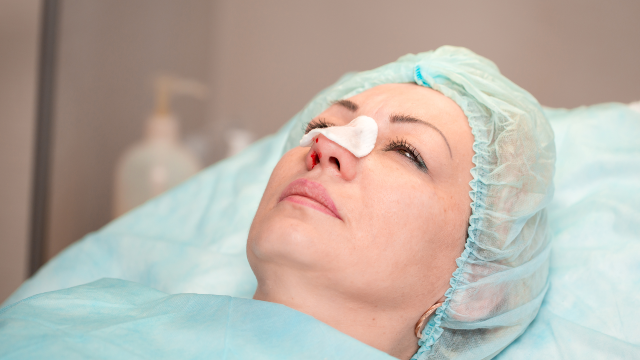
Rhinoplasty under general anesthesia takes 1.5–2.5 hours depending on the complexity. The surgeon works with precision, making careful adjustments to cartilage, bone and soft tissue. You wake up in the recovery room with your nose bandaged and taped. You'll experience mild discomfort (not usually severe pain) and swelling. Most patients stay in the surgical facility for 2–4 hours post-op before being released to their recovery accommodation.
Dr. Il-Seok Lee on the surgical process:
Rhinoplasty is a balance between artistry and precision. I'm not just removing or adding tissue; I'm creating harmony. Every millimeter matters. Every angle matters. This is why we take 90 minutes to 2.5 hours because rushing leads to asymmetry, over-correction and unnatural results. My goal is a nose that looks like an improved version of your own, not like someone else's nose transplanted onto your face. Dr. Il-Seok Lee, MD, Sinsang Plastic and Reconstructive Surgery
The first 24–48 hours: initial recovery in Seoul
The first 24–48 hours are the most challenging. You'll experience significant swelling, bruising (especially around the eyes) and a bandaged nose. Pain is typically managed with prescribed medications and is usually mild to moderate. You'll rest at your recovery accommodation and avoid any physical activity. Sinsang's nursing staff or coordinators check in daily to ensure you're healing well and have everything you need.
Do: rest, keep your head elevated, use ice packs on your forehead, take prescribed medications, sleep with extra pillows and stay hydrated.
Don't: exercise, bend over, blow your nose, sleep on your stomach or eat spicy foods.
Recovery timeline: week-by-week what to expect
Days 1–3: immediate post-op (the most swollen phase)
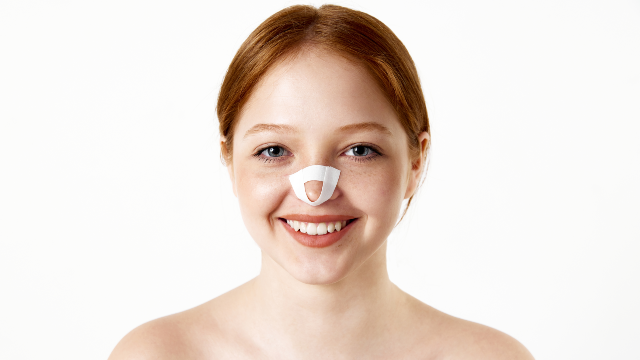
Swelling peaks at days 2–3, making you look significantly more swollen than you'll be in weeks 2–3. Your nose is bandaged and taped. You may experience mild pain, significant bruising (especially around the eyes) and difficulty breathing through your nose this is completely normal and reflects internal swelling, not a surgical complication.
Symptom | Severity | Management |
|---|---|---|
Swelling | Severe (peaks day 2–3) | Ice, elevation, rest |
Bruising | Significant | Normal; will fade gradually |
Pain | Mild to moderate | Prescribed pain medication |
Breathing | Difficult | Normal internal swelling resolves |
Nasal drainage | Minimal | Gentle care if needed |
Week 1: the bandage comes off
At 7–10 days post-op, your surgeon removes the external bandage and taping. This is an exciting moment you get your first clear view of your new nose. However, you're still significantly swollen. Your nose won't look anything like your final result yet. Swelling is approximately 60–70% resolved, but the remaining swelling makes it look slightly larger than it will be.
You can start gentle walking and light activity. You cannot exercise, swim or do heavy lifting. You can start wearing makeup (if incision sites are completely closed) to cover remaining bruising. Most patients feel comfortable returning to remote work or light in-person work at this stage.
Dr. Pil-Sun Eo on the swelling timeline:
At week 1, when I remove the bandages, patients often have a moment of panic their nose looks bigger than expected and very swollen. This is completely normal. I always tell them: trust the timeline. By week 4, you'll see 20% additional reduction in swelling. By week 12, another 30%. The nose continues to refine for 12 months. Patience is part of the process. Dr. Pil-Sun Eo, MD, Sinsang Plastic and Reconstructive Surgery
Weeks 2–4: visible improvement phase
By week 2, swelling is approximately 40% of the initial swelling. Your nose looks noticeably more defined. By week 4, swelling is down to approximately 20% of initial. Most of the bruising has faded. You can resume normal exercise, swimming and most full activities. Your nose is close to 80% of its final appearance.
At this stage, most patients feel confident returning to full work, social activities and being seen in public without self-consciousness. You can resume all normal activities except contact sports (which you should avoid for 6–8 weeks to prevent trauma to the healing nose structure).
Months 1–3: fine-tuning phase
Subtle swelling continues to reduce through month 2 and month 3. Your nose continues to refine and settle into its final shape. By month 3, you're at approximately 90% of final results. The remaining 10% takes months 3–12 to fully resolve as residual swelling dissipates and scar tissue matures.
At the 3-month mark, you'll typically have your final Sinsang follow-up consultation (via video if you're back in the US) to assess results and determine your satisfaction with the outcome. Most patients are delighted with how natural and harmonious their results are at this point.
The full year: complete results
Complete final results are apparent at 12 months post-op. All internal swelling has resolved. Scar tissue has matured. Any minor irregularities have settled. At this point, your rhinoplasty results are stable and permanent. The refinement and harmony you achieved will remain with you for life.
Rhinoplasty Korea cost: what you'll actually pay
The surgical cost: rhinoplasty package price at Sinsang
Sinsang's rhinoplasty package costs $4,500–$6,500 depending on the complexity of the procedure. This price includes:
- The surgical procedure (1.5–2.5 hours)
- Anesthesia (general anesthesia with professional anesthesiologist)
- Surgical facility use (hospital-grade operating room and recovery suite)
- All bandaging and taping materials (professional-grade)
- Post-operative medications (antibiotics, pain management)
- All follow-up appointments during your stay (typically 4–5 appointments over 10–12 days)
- Detailed post-op care instructions (in English)
- 3 months of virtual follow-up consultations (via video with surgeon)
- Medical records package (in English) to bring to your US doctor
This price does NOT include flights, accommodation, meals, ground transportation, or additional treatments (Rejuran, Thermage, etc.).
Item | Included? | Details |
|---|---|---|
Surgical procedure | ✅ Yes | 1.5–2.5 hours depending on complexity |
Anesthesia | ✅ Yes | General anesthesia with board-certified anesthesiologist |
Surgical facility | ✅ Yes | Hospital-grade facility with strict safety protocols |
Post-op medications | ✅ Yes | Antibiotics and pain management |
Follow-up appointments | ✅ Yes | 4–5 appointments over 10–12 days |
Virtual follow-ups (3 months) | ✅ Yes | Video consultations with surgeon |
Medical records (English) | ✅ Yes | Complete surgical documentation |
Flights | ❌ No | Patient arranges |
Accommodation | ❌ No | Sinsang recommends partners |
Meals | ❌ No | Patient responsibility |
Additional treatments | ❌ No | Available for additional fee |
The true total cost: surgery + travel + accommodation
Here's the reality that most clinics don't tell you. the surgery price is only part of your true total cost. When you budget for rhinoplasty in Seoul, you need to factor in flights, accommodation, meals and a contingency buffer. This is where transparency matters most.
Flights: Roundtrip business-class or premium economy from the US to Seoul (typical for comfort during recovery) ranges from $1,500–$3,000 depending on your home city and how far in advance you book. From Houston, expect $1,800–$2,400. From New York or Los Angeles, expect $1,500–$2,200.Accommodation: Most patients stay 10–12 nights in a recovery-friendly apartment or hotel near Gangnam. Recovery apartments (studios with kitchens, ideal for staying put) cost $60–$100/night. Hotels cost $80–$150/night. Total: $600–$1,800 depending on your preference.Meals & incidentals: Budget $40–$60/day for meals and ground transportation. Total: $500–$700.Contingency: Plan for unexpected expenses (additional medications, post-op supplies, activities while mobile during week 2–3). Budget $500–$1,000.True total cost calculation:
Surgery cost: $5,000
Flights (roundtrip, premium): $2,000
Accommodation (11 nights × $80/night): $880
Meals & ground transport: $600
Contingency/extras: $750
TOTAL: $9,230
Now compare this to US rhinoplasty:
Surgery (Beverly Hills average): $15,000
Anesthesia (separate charge): $1,500
Surgical facility: $2,000
Post-op care: $500
Domestic total: $19,000 Even accounting for travel and accommodation, Seoul costs 52% less while offering superior expertise and world-class facilities. You're not choosing Seoul to save money you're choosing Seoul because it's the global capital of rhinoplasty excellence, and the cost efficiency is a welcome bonus.Dr. Ho-Jun Kim on cost and quality:
Transparency about cost is essential. I'd rather a patient come to Seoul understanding the true investment required than be shocked by travel costs after they've already committed to surgery. The total cost is still significantly less than US rhinoplasty, but I respect that patients deserve honesty. You're not sacrificing quality for price you're accessing superior expertise at fair value. Dr. Ho-Jun Kim, MD, Sinsang Plastic and Reconstructive Surgery
Financing options
Payment methods accepted at Sinsang: wire transfer, credit card (Visa, Mastercard, American Express), international bank transfer, and Kakao Pay (Korean payment app). Most international patients use credit cards for rewards points or wire transfer for convenience.
Financing options: Sinsang does not offer in-clinic financing, but you may be eligible for US-based medical loans through companies like CareCredit or specialized medical tourism financing. Some insurance companies cover revision rhinoplasty if it's deemed medically necessary, but cosmetic rhinoplasty is typically not covered. Check with your provider before surgery. Sinsang can provide surgical records to submit to your insurance for review.
Rhinoplasty results: what natural-looking results actually look like
What natural rhinoplasty results look like
Natural rhinoplasty results mean your nose looks refined and harmonious with your face, but it still looks like YOUR nose an improved version, not a completely different nose. Natural results include:
Definition without obviousness: Your nasal tip is more defined, but not so sharply pointed that it looks unnatural or disproportionate. The profile is more refined but still balanced with your other facial features. The nose belongs to your face, not to a template.Preserved ethnicity: If you're Latina, your nose looks like a refined Latina nose not a generic nose. Ethnic features that are important to your identity (bridge width, nostril shape, projection) are preserved while achieving refinement. You don't lose yourself in pursuit of beauty.Symmetry and balance: Both sides match, and your nose is proportionate to your face. When people see you, they notice your confidence, not your nose.
What natural results do NOT look like:
- Pinched or overly narrow nasal tips
- Nostrils that are too small or asymmetrical
- Profiles that look "scooped out" or unnatural
- A nose that contradicts your ethnic features
- Obvious surgical appearance that screams "I had work done"
Characteristic | Natural result | Overdone result |
|---|---|---|
Nasal tip definition | Subtle, refined | Sharply pointed, unnatural |
Nasal bridge | Smooth, proportionate | Over-augmented, too high |
Nostril size | Proportionate to tip | Too small, pinched |
Profile | Balanced curve | Scooped or overly straight |
Ethnic features | Preserved and honored | Erased |
Overall appearance | "Rested, refined version of your own nose" | "Clearly had surgery" |
Sinsang's philosophy: harmony over transformation
Sinsang's surgical philosophy is rooted in the concept of facial harmony. Rather than imposing a standard ideal nose the surgeons at Sinsang evaluate your entire face your cheekbones, your chin, your lips, your eyes and create a nose that harmonizes with all of these features while respecting your ethnic identity.
This philosophy results in natural-looking outcomes because the nose isn't a standalone feature; it's part of a cohesive face. A nose that looks perfect in isolation but clashes with someone's other features looks overdone and jarring. Sinsang avoids this by prioritizing harmony. Every decision is made in the context of your complete facial anatomy.
Dr. Myung-Hyun Yang on the harmony philosophy:
The moment I start thinking of the nose as an isolated feature let me give them a more refined tip, let me straighten the bridge I've already lost the plot. A beautiful nose is one that belongs to the person's face. I'm looking at the entire composition how the nose relates to the forehead, the cheekbones, the chin, the lips. A stunning nose that doesn't belong to that specific face is a failure, regardless of how technically excellent the surgery was. Harmony is everything. Dr. Myung-Hyun Yang, MD, Sinsang Aesthetic Medicine
Why choose Sinsang for rhinoplasty

Dr. Young-Jae Lee's expertise & international recognition
Dr. Young-Jae Lee is a board-certified plastic surgeon and Director at Sinsang with 15+ years of clinical experience. He completed his plastic surgery residency at Samsung Medical Center (one of South Korea's most prestigious hospitals) and is an adjunct professor at Sungkyunkwan University College of Medicine, where he teaches advanced rhinoplasty techniques to other surgeons.
Dr. Lee has performed 2,000+ rhinoplasties over his career and contributes to international plastic surgery literature through published research on rhinoplasty techniques and outcomes. He is a member of the Korean Society of Plastic and Reconstructive Surgeons and the Korean Society for Aesthetic Plastic Surgery. He has trained surgeons from multiple countries and is recognized internationally as an expert in ethnic rhinoplasty and revision cases. His approach emphasizes customization, naturalness and deep respect for ethnic identity.
Sinsang's multiethnic expertise: rhinoplasty for diverse patients
Sinsang specifically markets to international patients and has extensive experience treating American patients from diverse ethnic backgrounds Latina, Black, mixed-ethnicity and others. Their surgeons understand that ethnic rhinoplasty requires more nuance than standard Western rhinoplasty.
Key expertise areas include:
- Rhinoplasty for Latina patients: Refining without erasing cultural features preserving the beauty of Latina nasal anatomy while achieving desired definition
- Rhinoplasty for Black patients: Addressing specific anatomical features while maintaining ethnic identity and cultural beauty standards
- Rhinoplasty for mixed-ethnicity patients: Balancing features from multiple ethnic backgrounds honoring heritage from all sides
- Revision rhinoplasty: Correcting previous surgeries that were overdone, ethnically insensitive or created asymmetry
Sinsang's before/after gallery specifically showcases results on diverse patients, so you can see examples on patients who look like you and share your concerns about ethnic sensitivity.
International patient support & English-language care
Sinsang has dedicated English-speaking patient coordinators available throughout your consultation and surgical journey. The coordinators respond to emails within 4–6 hours (accounting for time zone differences), speak fluent English and answer questions about everything from visa requirements to recovery timelines.
During your stay in Seoul, you have 24/7 access to patient support. Surgery day includes a dedicated coordinator who ensures all your needs are met. Post-op appointments are conducted with a translator if needed, though most consultation with surgeons is in English. Sinsang also coordinates with partner recovery apartments and hotels, recommends restaurants and activities for your recovery phase and provides detailed English-language post-op care instructions.
Track record with American patients
Sinsang treats hundreds of American patients annually and maintains detailed before/after records specifically organized by patient ethnicity and procedure type. The clinic can provide references from past US patients upon request and has extensive video testimonial content from American patients willing to share their experience. When you choose Sinsang, you're joining a community of satisfied American patients from diverse backgrounds who have achieved the natural, harmonious results they desired.
How to book your rhinoplasty at Sinsang
Step 1 – initial consultation (virtual)
How to schedule:
- Visit Sinsang's website or email.
- Message via WhatsApp for fastest response
- Include 2–3 clear photos of your current nose (front, side profile, bottom view) and a brief description of your concerns
- Sinsang's patient coordinator will respond within 4–6 hours with available consultation times
- Schedule a video consultation (typically available within 2–7 days)
What happens during consultation:
- 30–45 minute video call with a surgeon (or with a coordinator and surgeon input if timezone is difficult)
- The surgeon reviews your photos and asks detailed questions about your goals
- 3D imaging software shows predicted results and discusses potential outcomes
- Discussion of surgical techniques, recovery timeline, and realistic expectations
- Pricing quote provided (customized based on your specific case complexity)
- All questions answered with transparency and honesty
Outcome: You'll receive a detailed quote, comprehensive pre-surgery information packet and clear next-step instructions if you want to proceed. There's no pressure this is your opportunity to assess if Sinsang is the right fit for your transformation.
Step 2 – treatment planning & booking
If you decide to move forward:
- Sinsang will send a detailed treatment plan and multiple surgery date options
- You'll pay a deposit ($1,500–$2,000) to secure your surgery date
- Sinsang will provide a comprehensive pre-surgery packet including: detailed surgical instructions, medication list, what to bring, flights recommendations, accommodation suggestions, visa requirements
- You'll arrange flights and accommodation (with Sinsang's recommendations)
- Sinsang sends a final pre-surgery briefing 1 week before your arrival, confirming all logistics and answering final questions
Step 3 – pre-surgery preparation
4 weeks before surgery: Follow pre-surgery guidelines (avoid NSAIDs like ibuprofen and aspirin, stop smoking if applicable, begin taking recommended supplements like Arnica).2 weeks before: Final medical clearance from your US doctor, confirm flight and accommodation reservations.1 week before: Review final instructions, confirm arrival time with Sinsang, communicate any last-minute questions.Upon arrival in Seoul: Meet your recovery coordinator, familiarize yourself with the clinic, attend final pre-operative briefing.
Contact Sinsang Plastic and Reconstructive Surgery
📞 Phone: +1 201-940-3238 (WhatsApp)
📱 WhatsApp: Click Here
📧 Email: Online Consultation
🌐 Website: /
📍 Location: Gangnam-gu, Seoul, South Korea Hours: The clinic operates Monday through Thursday from 10:00am to 7:00pm, Friday from 10:00am to 9:00pm and Saturday from 10:00am to 5:00pm. The clinic is closed on Sunday.
Frequently asked questions
Q1: Will I Need To Stop Taking Medications Before Surgery? Yes, certain medications should be stopped 1–2 weeks before surgery, including NSAIDs (ibuprofen, aspirin) and blood thinners (warfarin, apixaban). Acetaminophen is acceptable for pain relief. Sinsang provides a detailed medication list during your pre-surgery consultation. It's critical that you inform your surgeon of all supplements and medications you're taking, as some can interfere with anesthesia or increase bleeding risk.Q2: What If I'm Not Happy With My Results? Sinsang has an exceptionally detailed consultation process to ensure you're aligned on expected results before surgery. The surgeons use 3D imaging to show you predicted outcomes from multiple angles. If you're genuinely unhappy with results (which is rare with detailed pre-op planning and Sinsang's expertise), Sinsang offers revision consultation options. Revision surgery would involve additional cost and a separate recovery period.Q3: Will My Insurance Cover Rhinoplasty In Korea? Most US health insurance doesn't cover cosmetic rhinoplasty anywhere. Some insurance plans do cover revision rhinoplasty if it's deemed medically necessary (for example, if you had breathing problems that were corrected during the surgery). Check with your insurance provider before surgery. Sinsang can provide surgical records in English to submit to your insurance for review if applicable.Q4: How Soon After Surgery Can I Fly Home? Most patients can fly 10–14 days after surgery. Your surgeon will medically clear you before you book your return flight. Blood clot risk is higher on long flights post-op, so Sinsang provides post-op guidance (compression stockings, movement during flight, hydration) to reduce risk. By 10–14 days, most patients have been cleared for travel.Q5: What If Something Goes Wrong After I Return To The US? Sinsang provides comprehensive English-language medical records that you can share with your US doctor. Sinsang also offers 3 months of virtual follow-up consultations and is available for urgent communication via WhatsApp. Minor post-op issues (persistent swelling, asymmetry concerns, sensitivity) can often be assessed and managed virtually. For serious complications (severe pain, signs of infection, unexpected changes), seek care at a US emergency room and provide Sinsang's surgical records to the ER team. Sinsang will coordinate with your US provider as needed.Q6: How Long Will Rhinoplasty Results Last? Rhinoplasty results are permanent. The structural changes made during surgery (cartilage reshaping, augmentation with grafts) are permanent and don't reverse over time. However, natural aging continues your nose will age at the same rate as the rest of your face. Some patients choose non-surgical refresher treatments (Ultherapy, thread lifting, Rejuran) 5–10 years post-op to maintain overall facial harmony as they age, but these are optional.Q7: Can I Combine Rhinoplasty With Other Procedures (Like Double Chin Surgery)? Yes. Many patients combine rhinoplasty with chin lipo, chin tightening, lower eyelid fat repositioning, or other facial procedures in the same surgical session. Combining procedures adds surgical time but increases overall efficiency and may reduce total recovery time. Discuss your interest in combined procedures during your consultation. Sinsang can provide a comprehensive treatment plan for multiple procedures.Q8: Will My Local Doctor Need To Know Details About My Surgery? Yes, it's important to brief your regular doctor (primary care or any specialists) on your rhinoplasty surgery. Sinsang provides comprehensive English-language surgical records. Your doctor should know the date of surgery, the surgical techniques used any implants or grafts placed and the post-op care plan. This information is relevant if you ever need imaging (MRI, CT scan) or have complications down the road.Q9: Is Revision Rhinoplasty More Complicated Than Primary Rhinoplasty? Yes, revision rhinoplasty is generally more complex because scar tissue from previous surgery must be addressed, and the anatomy may have been altered by the first surgery. Recovery may be slightly longer. Revision rhinoplasty also costs more (typically 20–30% more than primary rhinoplasty). Sinsang specializes in revision cases and is experienced with American patients seeking revision from previous surgeries that didn't meet their expectations.Q10: How Do I Explain My Trip to My Partner or Family?
Frame it as a wellness and self-care trip that happens to include a surgical procedure. You're investing in your confidence and how you feel about yourself. Many partners find it helpful to review before/after photos and understand the emotional importance of the procedure. Some patients invite their partner to join the consultation call so they can ask questions directly to the surgeon and feel more confident in the decision.
Conclusion
Rhinoplasty in Seoul, Korea offers American patients access to world-class surgical expertise, exceptional results and transparent pricing without compromising quality or safety. Seoul's surgeons perform more rhinoplasties annually than their US counterparts, resulting in a level of mastery that translates to natural-looking, individualized results. By combining proven surgical techniques with a philosophy of ethnic sensitivity and facial harmony, Sinsang creates outcomes that patients feel confident about not just cosmetically, but emotionally.
Sinsang's team of board-certified surgeons with 10–15+ years of experience, combined with their commitment to international patient support and detailed post-op care, means you're not just getting a surgery you're getting a partner in your transformation. From your first consultation to your final follow-up, Sinsang prioritizes your safety, satisfaction and confidence.
Ready to take the next step? Schedule your free video consultation with Sinsang today. Contact our English-speaking patient coordinator via WhatsApp, email or visit to book. Your transformation begins with a single conversation let's get started.
About The Author
Dr. Young-Jae Lee, MD, PhDDirector of Sinsang Plastic and Reconstructive Surgery with over 15 years of clinical experience, having performed more than 2,000 rhinoplasty procedures. Serves as an Adjunct Professor at Sungkyunkwan University College of Medicine. Specializes in ethnic rhinoplasty, revision rhinoplasty and facial rejuvenation. Board-certified by the Korean Board of Plastic Surgery and a member of the Korean Society of Plastic and Reconstructive Surgeons. Internationally recognized as an expert in ethnic rhinoplasty and complex revision cases.For consultations: |+1 201-940-3238 (WhatsApp)|Online Consultation| WhatsApp
Clinical Guidance & Recovery Considerations
All surgical and non-surgical treatments carry potential risks such as temporary swelling, bruising, asymmetry, or infection depending on individual anatomy. Detailed indications and personalized recovery expectations are confirmed during in-person ultrasonic evaluation with a Sinsang board-certified specialist.
Patient Concierge
Gangnam Station / Sinsa Area · 150 Dosan-daero 5F–6F, Seoul
Mon–Thu 10:00–19:00 · Fri 10:00–21:00 · Sat 10:00–17:00
Online Inquiry Form →WhatsApp (+1 201-940-3238)LINE (@853akazy)CONTINUE EXPLORING
More Medical Insights

Rising Demand for Double Chin Revision Surgery: Korean Market Price Trends
Rising Demand for Double Chin Revision Surgery: Korean Market Price Trends
Explore →

What is fat grafting - Procedure, Uses, Types, Benefits, and Risks
What is fat grafting - Procedure, Uses, Types, Benefits, and Risks
Explore →

Why 9,000 Global Patients Chose Seoul for Specialized Neck Contouring Surgery
Why 9,000 Global Patients Chose Seoul for Specialized Neck Contouring Surgery
Explore →
INTERNATIONAL CONCIERGE · GANGNAM, SEOUL
Begin Your Personalized Surgical Plan With Sinsang Specialists
Share your goals online or connect directly via our official WhatsApp or LINE concierge for pre-travel assessment and scheduling.