
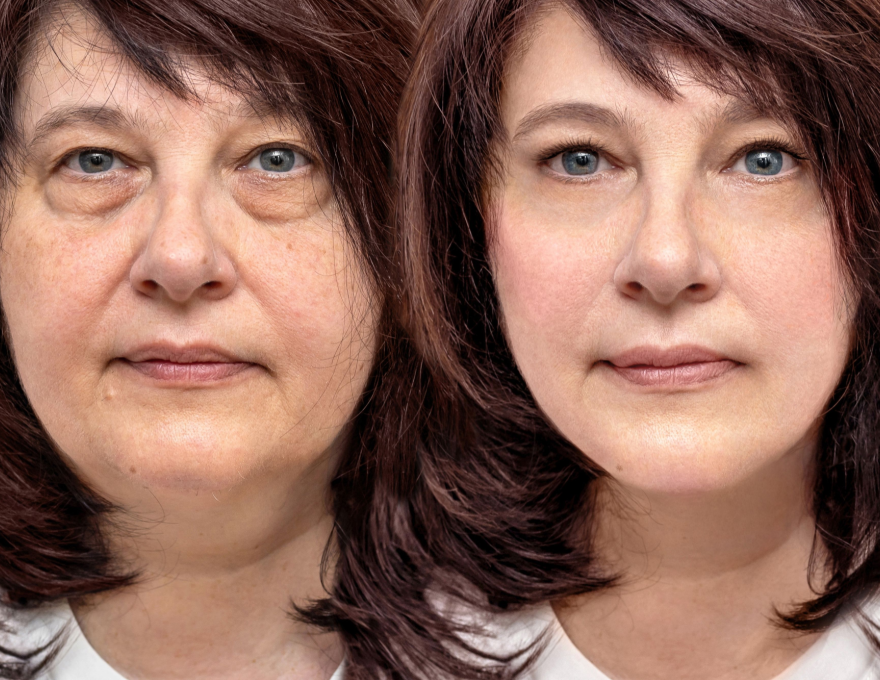
CLINICAL ARTICLE
Regenerative SMAS Lifting: Changing the Long-Term Aesthetic Cost Curve
Regenerative SMAS Lifting: Changing the Long-Term Aesthetic Cost Curve
For many in South Korea, the journey toward facial rejuvenation often begins with a cycle of temporary fixes. Whether it is annual thread lifts or quarterly high-intensity focused ultrasound (HIFU) sessions, the "maintenance trap" can lead to significant cumulative expenses without addressing structural aging. However, a recent market shift is visible; the South Korean plastic surgery market, valued at approximately USD 1.70 billion in 2024, is increasingly leaning toward more durable, "one-and-done" regenerative surgical interventions.
According to a 2025 market report by Research and Markets, the industry is projected to grow at a CAGR of 13.20% through 2034, driven largely by a demand for procedures that offer a higher return on investment (ROI) in terms of longevity. For patients at Sinsang Plastic and Reconstructive Surgery, the focus has moved beyond the skin's surface to the foundational layers of the face, aiming to break the cycle of repetitive minor procedures through advanced structural lifting.
SMAS Facelift in Korea: Benefits, Risks, and Ideal Candidates
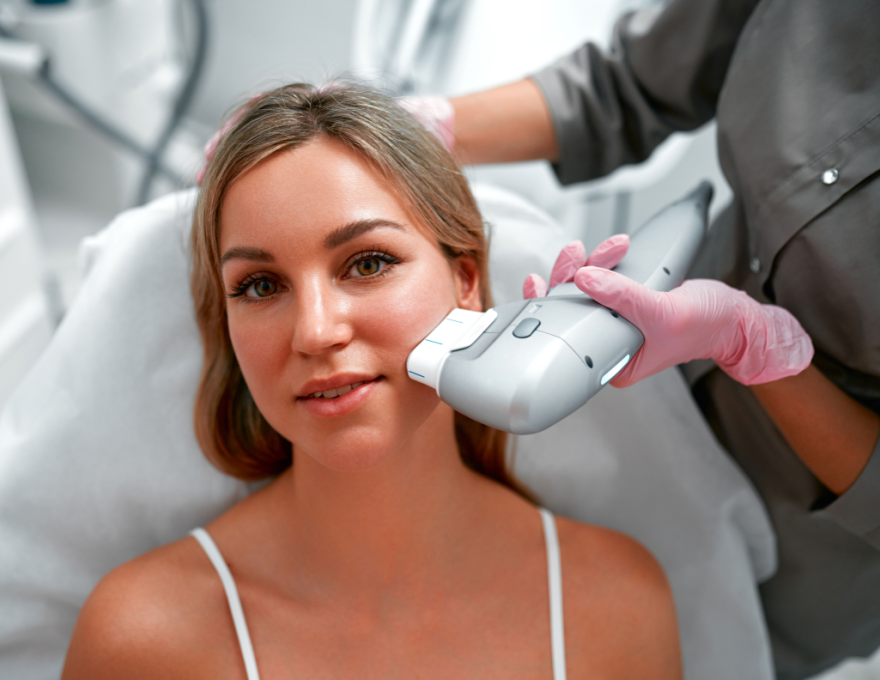
The standard for mid-to-late stage facial rejuvenation in Seoul is the SMAS (Superficial Musculoaponeurotic System) Facelift. Unlike older "skin-only" lifts that can result in a pulled or wind-swept look, the SMAS technique targets the fibrous layer that connects facial muscles to the skin.
Who is the Ideal Candidate?
- Ages 45–65: Individuals experiencing moderate to severe jowling and neck laxity.
- Failed "Mini-Lift" Patients: Those who previously had thread lifts or mini-lifts but found the results lasted fewer than 2 years.
- Structural Aging Concerns: Patients with mid-face descent where fat pads have migrated downward, creating deep nasolabial folds.
Why is Structural Lifting Better?
While non-surgical options like thread lifts provide immediate results, they typically offer only 12–24 months of visible improvement. In contrast, a properly executed SMAS facelift typically lasts 7–10 years. By repositioning the actual muscle-connective tissue layer, surgeons create a natural tension that preserves facial expression while reversing decades of gravity.
Current Standard Approaches & Their Limitations
In the highly competitive Korean aesthetic market, patients are often overwhelmed by "quick-fix" options. While these serve a purpose for early-stage aging, they present clear long-term limitations.
Thread Lifts & Fillers:
- Pros: Minimal downtime (1–3 days), lower upfront cost ($1,000–$4,000).
- Cons: Short-lived results; risk of "filler fatigue" or facial widening; high re-intervention rates.
Non-Invasive Energy Devices (HIFU/Radiofrequency):
- Pros: No incisions, relatively safe.
- Cons: Subtle results; requires repeated annual sessions; cannot address significant skin excess.
Traditional Skin-Only Surgery:
- Pros: Removes excess skin.
- Cons: High risk of scarring; "unnatural" look; underlying tissues remain saggy.
The Innovative Approach: SMAS Facelift with 3D Anatomical Mapping
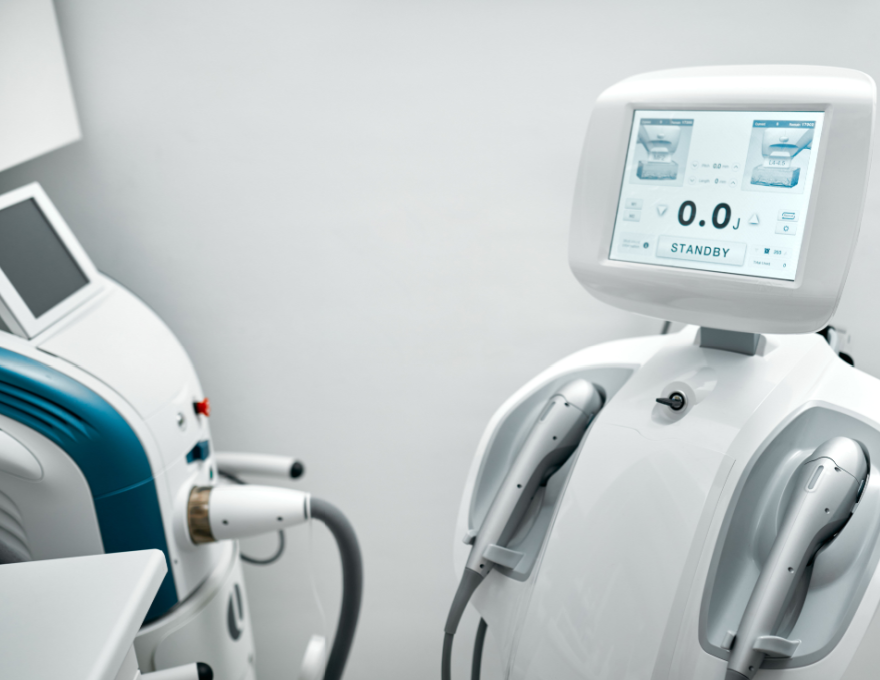
At the forefront of modern Korean aesthetic surgery is a high-precision, tech-enabled protocol: the SMAS Facelift integrated with 3D Ultrasound Diagnostics. This advanced approach moves away from "one-size-fits-all" incisions toward a personalized surgical plan based on a patient’s unique internal anatomy.
How It Works: The Precision Principle
Before the first incision, clinicians use 3D ultrasound mapping to visualize the thickness of the SMAS layer and the location of facial nerves and major blood vessels. This allows the surgeon to perform a High-SMAS dissection, releasing key ligaments that traditional surgery often misses. This "root-cause" approach ensures that the lift is structural rather than just superficial.
Why It Is Considered Regenerative and Tech-Enabled
By combining this surgical precision with SVF (Stromal Vascular Fraction) or Stem Cell Fat Grafting, the procedure does more than just "pull." It restores volume and improves skin quality from within. The integration of technology ensures:
- Safety: Real-time visualization of nerves to prevent injury.
- Longevity: Structural repositioning that resists gravity better than threads.
- Natural Aesthetics: 3D planning prevents the "over-operated" look by respecting original facial vectors.
Is the SMAS Facelift in Korea worth the cost?
Yes. While the upfront cost is higher than non-surgical options, the "cost-per-year" of a SMAS facelift is significantly lower when considering its 10-year lifespan compared to the annual maintenance required for thread lifts or fillers.
Data & Outcomes: The Aesthetic Cost Curve
When analyzing the financial impact of facial rejuvenation over a decade, the "advanced path" of structural surgery often proves more economical.
10-Year Estimated Cost Comparison (USD)
| Feature | Conventional Path (Threads/HIFU) | Advanced Path (SMAS Facelift) |
|---|---|---|
| Upfront Cost | $1,500 – $3,000 | $7,500 – $12,000 |
| Frequency | Every 1.5 – 2 Years | Once per decade |
| 10-Year Total | $10,000 – $18,000 | $7,500 – $12,000 |
| Result Quality | Fluctuating / Subtle | Stable / Significant |
| Downtime | 2–5 days (cumulative 30+ days) | 10–14 days (total) |
Market Insight: The South Korean regenerative medicine market is expected to reach USD 1,288 million by 2030, with an 18% CAGR. This reflects a growing patient preference for procedures that use the body’s own tissues and advanced technology to achieve permanent structural change rather than temporary camouflage.
Local Korea Insights
Korean patients are known for demanding "natural yet dramatic" results with minimal visible scarring. This has led to the development of the Apple Face Lift and Mini-SMAS techniques in Seoul, which utilize smaller, hidden incisions behind the ear or along the hairline.
In Korea, aesthetic surgery is also deeply tied to the "competitiveness" of one’s appearance in the professional world. As a result, the trend is moving away from the "plastic" look of the early 2000s toward Bio-identical Rejuvenation. This involves using a patient's own fat cells and advanced SMAS techniques to ensure the face moves naturally during speech and expression—a key requirement for the "K-Beauty" standard.
Where Sinsang Plastic and Reconstructive Surgery Fits in Korea
Sinsang Plastic and Reconstructive Surgery has carved a niche as a high-tech boutique clinic specializing in the most complex forms of facial lifting.
- The Sinsang Specialization: The clinic is renowned for its Signature Lift, which combines double chin liposuction with Platysma Muscle Fixation. This addresses the "toad neck" or heavy jowl concerns that standard facelifts often overlook.
- The Sinsang Protocol: Led by Chief Surgeon Young Jae Lee, a board-certified specialist and member of the Korean Society of Plastic Surgery, the clinic utilizes a "Safety-First" protocol. This includes Operating Room CCTV for transparency and an on-site anesthesiologist for all SMAS Facelift procedures.
- Expert Credentials: The surgical team brings years of experience from Samsung Seoul Hospital and top-tier research societies, specializing specifically in the interplay between facial nerves and the SMAS layer.
Evidence suggests that this high-precision approach may help reduce recovery times and lead to higher long-term patient satisfaction scores compared to clinics utilizing traditional, non-mapped techniques.
Conclusion
The "aesthetic cost curve" in Korea is leaning heavily toward structural, long-term solutions. While non-surgical treatments offer low entry points, the cumulative cost and diminishing returns often frustrate patients over time. The SMAS Facelift, supported by 3D anatomical mapping and regenerative techniques, provides a durable alternative that addresses the root causes of aging.
Patients considering a SMAS Facelift in Korea can schedule a consultation at Sinsang Plastic and Reconstructive Surgery to discuss whether this advanced structural approach is the right investment for their long-term rejuvenation goals.
Clinical Guidance & Recovery Considerations
All surgical and non-surgical treatments carry potential risks such as temporary swelling, bruising, asymmetry, or infection depending on individual anatomy. Detailed indications and personalized recovery expectations are confirmed during in-person ultrasonic evaluation with a Sinsang board-certified specialist.
Patient Concierge
Gangnam Station / Sinsa Area · 150 Dosan-daero 5F–6F, Seoul
Mon–Thu 10:00–19:00 · Fri 10:00–21:00 · Sat 10:00–17:00
Online Inquiry Form →WhatsApp (+1 201-940-3238)LINE (@853akazy)CONTINUE EXPLORING
More Medical Insights

Rising Demand for Double Chin Revision Surgery: Korean Market Price Trends
Rising Demand for Double Chin Revision Surgery: Korean Market Price Trends
Explore →

What is fat grafting - Procedure, Uses, Types, Benefits, and Risks
What is fat grafting - Procedure, Uses, Types, Benefits, and Risks
Explore →

Why 9,000 Global Patients Chose Seoul for Specialized Neck Contouring Surgery
Why 9,000 Global Patients Chose Seoul for Specialized Neck Contouring Surgery
Explore →
INTERNATIONAL CONCIERGE · GANGNAM, SEOUL
Begin Your Personalized Surgical Plan With Sinsang Specialists
Share your goals online or connect directly via our official WhatsApp or LINE concierge for pre-travel assessment and scheduling.