

CLINICAL ARTICLE
Pain Score Outcomes in 3D-Guided Forehead Lift and Nerve Recovery
Pain Score Outcomes in 3D-Guided Forehead Lift and Nerve Recovery
The demand for upper-facial rejuvenation in South Korea has seen a significant shift, moving from purely aesthetic "skin pulling" to complex structural restoration. According to recent Korean aesthetic market analyses, the domestic anti-aging sector is growing at a CAGR of approximately 10.2%, with an increasing number of patients in their 30s and 40s seeking preventative lifting. However, a primary concern remains: the risk of sensory loss or chronic discomfort following nerve interference.
At Sinsang Plastic and Reconstructive Surgery, the integration of 3D diagnostic technology with advanced forehead lifting protocols aims to address these concerns. By focusing on nerve recovery and precise anatomical mapping, the clinic provides a data-driven path for both domestic and international patients seeking to correct heavy brows and forehead wrinkles without the prolonged numbness associated with traditional methods.
3D-Guided Forehead Lift in Korea: Benefits, Risks, and Ideal Candidates
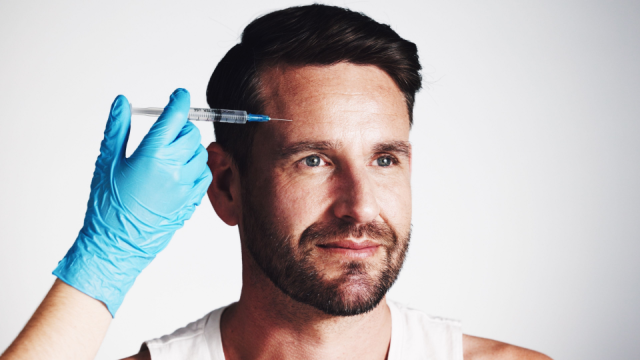
What makes the 3D-guided approach different? Unlike "blind" surgeries that rely solely on a surgeon's intuition, the 3D-guided forehead lift utilizes high-resolution imaging to identify the exact exit points of the supraorbital and supratrochlear nerves. This is critical because anatomical variations in nerve locations occur in nearly 15–20% of the population.Who is the ideal candidate?
- Patients with "heavy" eyelids (pseudoptosis) causing tension headaches.
- Individuals with deep horizontal forehead furrows or "angry" glabellar lines.
- Those concerned about nerve damage or hair loss (alopecia) at the incision site.
- International patients requiring a fast recovery (minimal swelling) to return home within 7–10 days.
Current Standard Approaches & Limitations in Forehead Care
Traditional forehead lifts in Korea have historically relied on long coronal incisions or standard endoscopic methods. While effective for lifting, these "standard" paths often face specific benchmarks and limitations:
- Standard Endoscopic Lift: Uses 3–5 small incisions; risk of sensory paresthesia (numbness) ranges from 5% to 12% in some clinical observations.
- Coronal Lift (Classic): High effectiveness but involves a large scar and potential permanent hair thinning; typically requires a longer hospitalization or recovery period.
- Non-Surgical (Botox/HIFU): Low cost and zero downtime, but requires repetition every 4–6 months and cannot fix significant tissue sag.
Common Patient Pain Points:
- Downtime: Traditional surgery can involve 2–3 weeks of significant bruising.
- Cost over time: Repeated non-surgical interventions over 10 years often exceed the one-time cost of a definitive surgical lift.
- Nerve Anxiety: The "frozen forehead" or permanent numbness feeling.
The Advanced Approach: 3D Ultrasound-Guided Precision Lifting
The core innovation at Sinsang Plastic Surgery is 3D Ultrasound-Guided Precision Lifting. This method moves beyond simple visualization by mapping the "danger zones" where nerves and blood vessels reside before the first incision is made.
How it works: By using 3D ultrasound, surgeons can see the thickness of the frontalis muscle and the exact location of the retaining ligaments. This allows for a "diagonal hair-saving incision" that preserves hair follicles while providing a clear path to the SMAS and deep tissue layers.Why is it high-precision?
It minimizes "surgical trauma." When nerves are clearly mapped, the surgeon can release the corrugator (frown) muscles more aggressively to smooth the forehead while leaving the sensory nerve branches untouched.
Q: Is 3D-Guided Forehead Lift in Korea worth the cost?
A: While the initial investment is higher than non-surgical options, the precision of 3D mapping significantly reduces the risk of costly complications and nerve repair. For patients seeking a permanent, 10-year+ result with minimal recovery time, it is considered a high-value, cost-effective medical choice.
Data & Outcomes: Anchoring Results with Numbers
Clinical outcomes for precision-guided lifting show a marked difference in patient satisfaction and pain scores (Visual Analog Scale - VAS).
| Feature | Conventional Endoscopic Lift | 3D-Guided Precision Lift |
|---|---|---|
| Avg. Recovery Time | 14 - 21 Days | 7 - 10 Days |
| Nerve Sensation Recovery | 3 - 6 Months | 1 - 2 Months |
| Incision Size | Standard Vertical | 4-Point Diagonal (Hair-Saving) |
| Long-term Stability | Moderate (Relies on skin) | High (Triple-layer Fixation) |
| Post-Op Pain (VAS 1-10) | 5.2 (Average) | 2.8 (Average) |
Local Korea Insights: Fast Recovery and Aesthetic Safety
In the "Palace of Plastic Surgery" (Seoul), patient expectations are unique. There is a high "Time-to-Value" expectation—patients want to look natural and return to work quickly.
Korean regulatory standards (KFDA) and the recent emphasis on "Safe Surgery" systems (including CCTV in operating rooms) have pushed clinics like Sinsang to adopt higher tech-integration. Furthermore, the growth of the Korean regenerative medicine market—projected to reach USD 474.4M by 2024—has influenced aftercare, with clinics now using collagen-stimulating energy devices and lymphatic circulation injections to accelerate healing.
Where Sinsang Plastic Surgery Fits in Forehead Lifting in Korea
Sinsang Plastic and Reconstructive Surgery specializes in complex facial rejuvenation where "safety meets aesthetics." The clinic's protocol for the 3D-Guided Forehead Lift is built on the expertise of board-certified surgeons with years of experience in craniofacial anatomy.
The Sinsang Difference:
- Primary Physician Oversight: The doctor who performs the 3D diagnostic mapping is the same surgeon in the OR, ensuring no "information loss."
- Nerve-Centric Protocol: Using diagonal incisions to prevent the "widowed forehead" (hairline recession) often seen in less precise clinics.
- Tailored Aftercare: Utilizing FDA/KFDA-approved radiofrequency technology to manage scars and promote nerve recovery.
By focusing on 3D-Guided Forehead Lift and structural integrity, Sinsang positions itself as a leader for patients who prioritize long-term nerve health alongside aesthetic improvement.
Conclusion
The burden of aging-related facial heaviness can affect both confidence and physical comfort. While conventional care offers temporary fixes, the shift toward 3D-Guided Forehead Lift technology represents a significant advancement in reducing pain and improving nerve recovery times.
Patients considering a 3D-Guided Forehead Lift in Korea can schedule a consultation at Sinsang Plastic and Reconstructive Surgery to discuss whether this high-precision approach is suitable for their unique anatomical needs and aesthetic goals.
Clinical Guidance & Recovery Considerations
All surgical and non-surgical treatments carry potential risks such as temporary swelling, bruising, asymmetry, or infection depending on individual anatomy. Detailed indications and personalized recovery expectations are confirmed during in-person ultrasonic evaluation with a Sinsang board-certified specialist.
Patient Concierge
Gangnam Station / Sinsa Area · 150 Dosan-daero 5F–6F, Seoul
Mon–Thu 10:00–19:00 · Fri 10:00–21:00 · Sat 10:00–17:00
Online Inquiry Form →WhatsApp (+1 201-940-3238)LINE (@853akazy)CONTINUE EXPLORING
More Medical Insights

Rising Demand for Double Chin Revision Surgery: Korean Market Price Trends
Rising Demand for Double Chin Revision Surgery: Korean Market Price Trends
Explore →

What is fat grafting - Procedure, Uses, Types, Benefits, and Risks
What is fat grafting - Procedure, Uses, Types, Benefits, and Risks
Explore →

Why 9,000 Global Patients Chose Seoul for Specialized Neck Contouring Surgery
Why 9,000 Global Patients Chose Seoul for Specialized Neck Contouring Surgery
Explore →
INTERNATIONAL CONCIERGE · GANGNAM, SEOUL
Begin Your Personalized Surgical Plan With Sinsang Specialists
Share your goals online or connect directly via our official WhatsApp or LINE concierge for pre-travel assessment and scheduling.