

CLINICAL ARTICLE
Liposuction: Types, Benefits, and What to Expect | The Ultimate Guide
Discover the types of liposuction, key benefits, and what to expect from the procedure. Explore this ultimate guide to make an informed choice—learn more now!
Introduction
Many people find that even after months of a perfect diet and a dedicated gym routine, certain fat pockets simply refuse to disappear. This stubborn fat is often a matter of genetics rather than effort. When lifestyle changes reach their limit, Liposuction offers a professional solution to help you reach your aesthetic goals.
In the past, this procedure was seen purely as a way to remove fat. Today, the focus has shifted toward sculpting the silhouette. Modern techniques allow surgeons to carve out muscle definition and create smooth natural curves. This ultimate guide provides a comprehensive look at the different technologies available, the recovery process, and why looking globally specifically toward South Korea can provide the best value for your transformation.
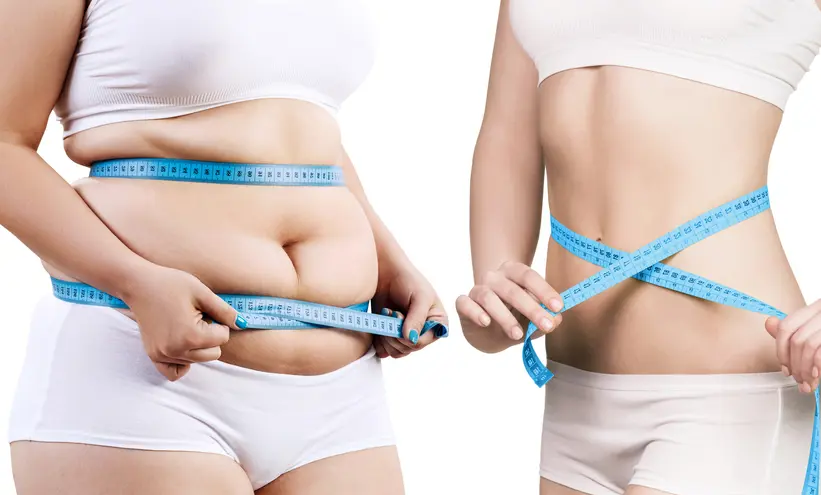
What is Liposuction? (Subcutaneous vs. Visceral Fat)
To understand how the procedure works, it is important to know that the human body stores fat in different ways. Liposuction is designed to target a specific type of fat that sits just beneath the surface.
Understanding Fat Types
- Subcutaneous Fat: This is the pinchable fat located between your skin and your muscle. This is the only type of fat that can be removed during surgery.
- Visceral Fat: This is internal fat that surrounds your organs deep inside the abdomen. Surgery cannot reach this fat it can only be reduced through diet and exercise.
How it Works?
The basic principle of the procedure involves three steps. First, the surgeon prepares the fat with a specialized fluid. Second, they break up the fat cells using modern technology. Finally, they use a thin vacuum tube called a cannula to suction the fat out of the body permanently.
Common Treatment Areas
Treatment Area | Goal of Procedure |
|---|---|
Abdomen & Flanks | To remove love handles and flatten the stomach. |
Thighs | To reduce saddlebags or create an inner thigh gap. |
Arms & Back | To eliminate bra rolls and slim the upper arms. |
Submental | To remove a double chin and define the jawline. |
The Core Benefits: Beyond the Physical
While the most obvious benefit is a slimmer body, the advantages of this procedure go much deeper than surface-level aesthetics.
- Immediate Aesthetic Improvement: You can see a visible change in your proportions that no amount of sit-ups could achieve alone.
- Permanent Fat Cell Removal: Adults do not grow new fat cells. Once these cells are suctioned out, they are gone forever.
- Health and Lifestyle: Many patients find that losing these stubborn pockets improves their mobility and makes exercise more comfortable.
- Psychological Boost: The renewed self-confidence often leads to a more positive social life and a better relationship with one's body.
- Skin Tightening Synergy: Many modern types of the procedure actually stimulate collagen, helping the skin firm up after the fat is gone.
Candidacy: Is Liposuction Right for You?

Not everyone who wants to lose weight is a candidate for this surgery. It is a tool for shaping, not for massive weight loss.
The Ideal Candidate
The best candidates are individuals within 30% of their target weight with a stable BMI. Because the procedure removes weight in small amounts usually a few kilograms, it is most effective for those who are already relatively fit but have localized bulges.
The "Weight Loss" Myth
It is a common myth that this is a bariatric or weight-loss solution. If you use surgery to lose weight without changing your lifestyle, your results will not last. It is a contouring procedure meant to put the finishing touches on your hard work.
Medical Readiness
You must be in good overall health. Surgeons prioritize candidates who are non-smokers as smoking can significantly slow down the healing process and increase the risk of complications.
Comparing the Types of Liposuction
Choosing the right technology is essential for getting the result you want. Different machines serve different purposes.
Technology Type | Best For | Benefit |
|---|---|---|
Tumescent | General fat removal | The gold standard for safety and reliability. |
VASER (Ultrasound) | Athletic definition | Vibrates fat loose great for six-pack sculpting. |
PAL (Power-Assisted) | Large volume removal | Gentle vibration makes it easier to remove more fat quickly. |
Laser (SmartLipo) | Small areas/Neck | Uses heat to melt fat and tighten the skin. |
The Procedure Journey: Step-by-Step
1. Pre-Op
Your journey begins with a medical evaluation. The surgeon will use a marker to map out sculpting zones on your body while you are standing. This ensures they know exactly where to remove fat to create the best silhouette.
2. Anesthesia
Depending on the size of the area, you may receive local anesthesia or Sleep Anesthesia. Sleep anesthesia is very popular because it allows you to remain comfortable and unaware during the surgery without the heavy side effects of traditional general anesthesia.
3. The Incisions
The surgeon makes tiny incisions, often less than half a centimeter long. They use micro-cannulas to ensure that scars are nearly invisible once they heal.
4. Suction and Sculpting
This is where the artistry happens. The surgeon carves the new silhouette by carefully moving the cannula through the fat layers until the desired shape is achieved.
Recovery: What to Expect in the Coming Weeks
Immediate Post-Op
You will wake up wearing a compression garment. This is a tight, elastic sleeve or suit that helps reduce swelling and encourages your skin to tighten over your new shape.
Timeline to Results
- Week 1: You will experience initial swelling and bruising. Most people take 3 to 7 days off work.
- Week 4: You can usually return to light exercise. The bulk of the swelling begins to fade, and you will see your new shape emerging.
- Month 3–6: This is the final reveal. The internal tissues have fully healed, and your silhouette is now permanent.
Liposuction Cost: The Global Advantage
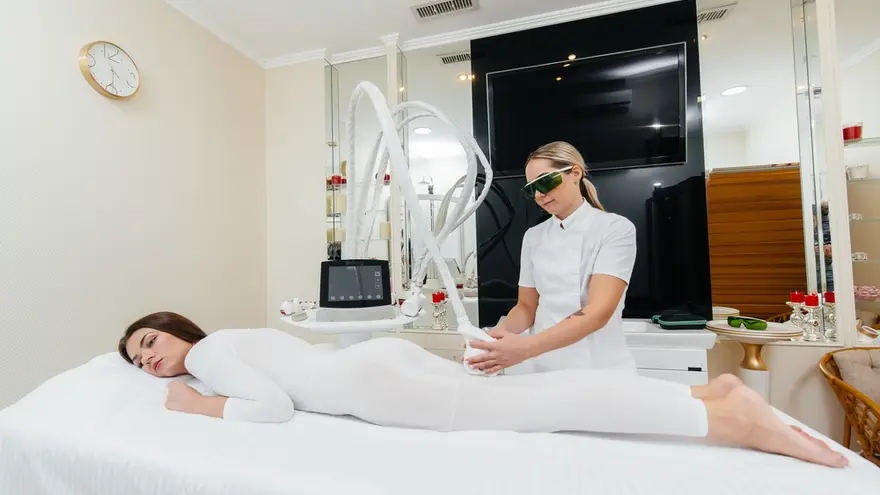
Cost is a major factor for most patients. In Western countries prices are often extremely high due to administrative overhead. However, when it comes to medical tourism, South Korea is recognized as the cheapest and best location for treatment.
South Korea offers a unique advantage: it has the most advanced medical infrastructure in the world for cosmetic surgery. Because they perform a high volume of procedures, they can offer elite technology like VASER and PAL at much lower prices than Western clinics.
Global Cost Comparison Table
Region | Average Cost (USD) | Quality/Technology Level |
|---|---|---|
South Korea | $2,500 – $4,800 | Elite (Highest Global Standard) |
United States | $6,000 – $13,000 | High |
United Kingdom | $5,500 – $11,000 | Moderate to High |
Australia | $7,000 – $12,500 | Moderate |
Risks and Safety
While modern surgery is very safe, every procedure has standard risks, such as bruising, swelling, or temporary numbness.
To minimize these risks, it is vital to choose high-volume clinics. In South Korea, surgeons often specialize solely in body contouring and perform these procedures daily. This high level of repetition leads to greater precision and fewer complications. Additionally, ensuring you follow up with lymphatic drainage massages can help the body recover much faster.
Frequently Asked Questions
1. Does the Fat Come Back?
The fat cells removed during the procedure are gone forever. However, if you gain a significant amount of weight, the remaining fat cells in your body can still expand. A stable lifestyle is key.
2. Is the Procedure Painful?
Because you are under anesthesia, you will not feel anything during the surgery. Afterward, most patients describe the feeling as muscle soreness, similar to how you feel after a very heavy workout at the gym.
3. Can I do Multiple Areas at Once?
Yes, this is very common. Treating the abdomen, flanks, and thighs in one session is often more cost-effective and means you only have to go through the recovery process once.
4. How Long must I Wear the Compression Garment?
Most surgeons recommend wearing it for 4 to 6 weeks. It is the most important tool for ensuring your skin heals smoothly without ripples.
5. Will I have Loose Skin?
This depends on your skin's natural elasticity. However, modern ultrasound (VASER) and laser-assisted types of surgery help tighten the skin during the process, reducing the risk of sagging.
Conclusion
Liposuction is a powerful way to reclaim your confidence and achieve the silhouette you have worked hard for. By understanding the different technologies and what to expect during recovery, you can make an informed decision about your body.
Are you ready to redefine your silhouette? Book a consultation today to receive a personalized surgical plan tailored to your body.
Clinical Guidance & Recovery Considerations
All surgical and non-surgical treatments carry potential risks such as temporary swelling, bruising, asymmetry, or infection depending on individual anatomy. Detailed indications and personalized recovery expectations are confirmed during in-person ultrasonic evaluation with a Sinsang board-certified specialist.
Patient Concierge
Gangnam Station / Sinsa Area · 150 Dosan-daero 5F–6F, Seoul
Mon–Thu 10:00–19:00 · Fri 10:00–21:00 · Sat 10:00–17:00
Online Inquiry Form →WhatsApp (+1 201-940-3238)LINE (@853akazy)CONTINUE EXPLORING
More Medical Insights

Rising Demand for Double Chin Revision Surgery: Korean Market Price Trends
Rising Demand for Double Chin Revision Surgery: Korean Market Price Trends
Explore →

What is fat grafting - Procedure, Uses, Types, Benefits, and Risks
What is fat grafting - Procedure, Uses, Types, Benefits, and Risks
Explore →

Why 9,000 Global Patients Chose Seoul for Specialized Neck Contouring Surgery
Why 9,000 Global Patients Chose Seoul for Specialized Neck Contouring Surgery
Explore →
INTERNATIONAL CONCIERGE · GANGNAM, SEOUL
Begin Your Personalized Surgical Plan With Sinsang Specialists
Share your goals online or connect directly via our official WhatsApp or LINE concierge for pre-travel assessment and scheduling.