
CLINICAL ARTICLE
Is Scalp Therapy Effective for Oily Hair and Dandruff?
Is scalp therapy effective for oily hair and dandruff? Discover how targeted treatments cleanse, balance oil, and reduce flakes for a healthier scalp. Learn more now!
Is Scalp Therapy Effective for Oily Hair and Dandruff?
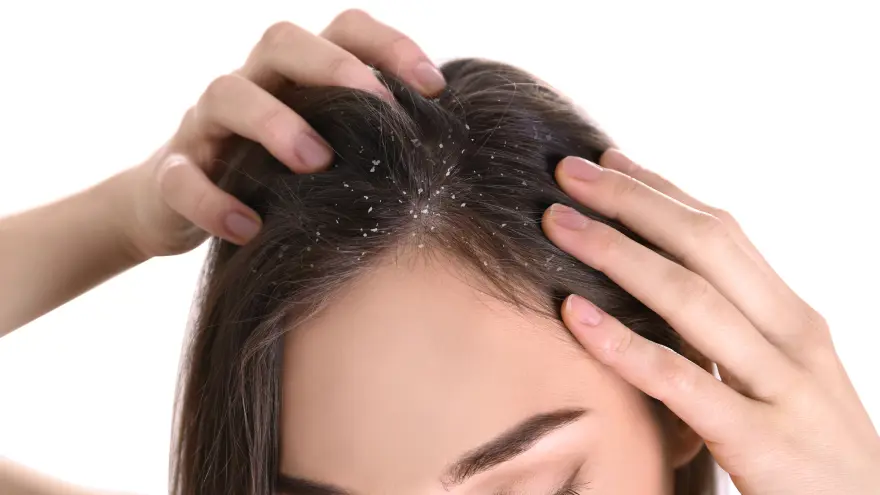
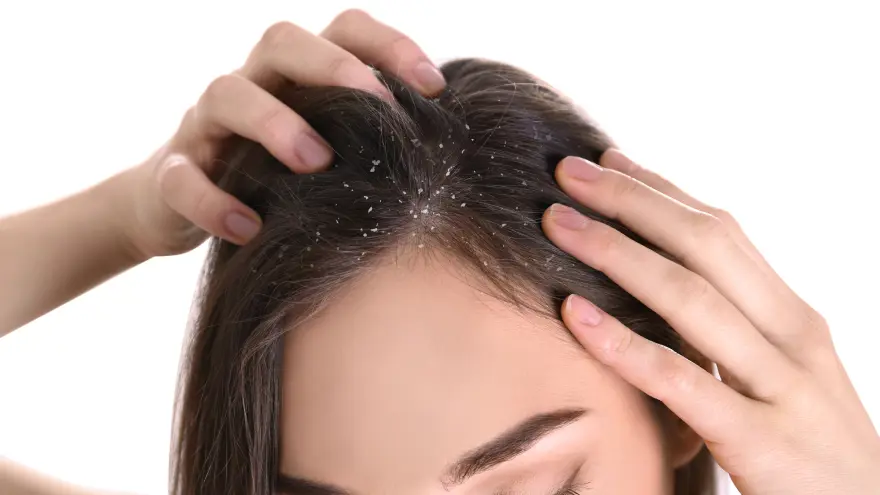
At first glance, oily hair and dandruff feel like minor inconveniences—something to manage with a new shampoo or a stronger cleanser. But for many patients who visit our clinic, the issue runs deeper. They describe persistent itching, flakes that return no matter what they use, hair that looks greasy within hours, or a scalp that feels inflamed and uncomfortable.
What often surprises them is this: the scalp is skin, and it follows medical rules just like facial skin. When we approach scalp problems as superficial cosmetic issues, treatments fail. When we approach them as dermatologic and biologic conditions, results improve.
So, is scalp therapy effective for oily hair and dandruff?
The honest answer is: yes—but only when it is targeted, medically rational, and consistent. Let’s unpack what that really means.
Understanding the Scalp as a Biological Environment
The scalp is one of the most complex skin regions on the body. It has:
- A very high density of sebaceous (oil) glands
- Thick terminal hair follicles
- A unique microbial ecosystem
- Constant exposure to sweat, products, friction, and environmental stress
This combination makes the scalp particularly vulnerable to imbalance.
Unlike the face, the scalp is often overtreated—washed too aggressively, scrubbed harshly, layered with products, then stripped again. Over time, this disrupts its natural regulation.
When patients ask whether scalp therapy works, what they are really asking is whether the scalp can be retrained to function normally again. In many cases, it can.
Why Oily Scalp and Dandruff Often Appear Together?
One of the most common misunderstandings is thinking of oily scalp and dandruff as opposite problems. Medically, they are often connected.
Sebum: Necessary, but Easily Excessive
Sebum is not bad. It protects the scalp, maintains the skin barrier, and supports healthy hair shafts. The problem arises when:
- Sebum production is excessive
- Sebum composition changes
- Sebum is trapped by buildup
An oily scalp creates an environment that favors inflammation and microbial overgrowth.
Dandruff Is Usually Not “Dry Skin”
True dandruff is most commonly related to seborrheic dermatitis, a chronic inflammatory condition linked to an overreaction to Malassezia yeast, a normal resident of the scalp.
When excess oil is present:
- Malassezia thrives
- Inflammation increases
- Skin turnover accelerates
- Visible flakes appear
This is why many patients with dandruff also complain of oiliness—and why simply “moisturizing” the scalp often makes things worse.
What “Scalp Therapy” Means in a Medical Sense?
Scalp therapy is not a single treatment. In a clinical context, it refers to a structured approach designed to normalize scalp physiology.
At Sinsang, we think of scalp therapy as having four main goals:
- Regulate sebum production 2.Control microbial overgrowth 3.Reduce inflammation 4.Restore the scalp barrier and follicular environment
Any therapy that does not address at least two of these goals is unlikely to produce lasting improvement.
How Scalp Therapy Works for Oily Hair?

The Counterintuitive Truth About Oil Control
Many patients believe oily scalp means they need stronger cleansers and more frequent washing. In reality, over-stripping often worsens oil production.
When the scalp barrier is damaged:
- Sebaceous glands receive signals of “dryness”
- Oil production increases as compensation
- The cycle reinforces itself
Effective scalp therapy focuses on normalization, not elimination, of oil.
Key Mechanisms in Oil-Regulating Therapy
- Gentle but consistent cleansing to remove excess sebum without barrier damage
- Ingredients that modulate sebaceous gland activity rather than shutting it down
- Reduction of inflammation around hair follicles
Over time—usually several weeks—the scalp begins to self-regulate more effectively.
How Scalp Therapy Works for Dandruff?
Dandruff improves when three things happen simultaneously:
- The yeast population is reduced 2.Inflammation is calmed 3.Abnormal skin turnover slows
Medicated scalp therapies target these pathways directly.
However, one important clinical reality is this: dandruff is often chronic. This does not mean treatment fails—it means maintenance is part of success.
Patients who expect a “one-time cure” are often disappointed. Patients who understand dandruff as a manageable condition usually do very well.
Common Types of Scalp Therapy and Their Roles
Medicated Shampoos: The Medical Backbone
These are often the foundation of effective treatment. Their success depends on correct selection and proper use.
From a clinical standpoint:
- Antifungal agents reduce Malassezia activity
- Keratolytic agents help shed adherent flakes
- Anti-inflammatory components reduce itching and redness
A key point many patients miss: contact time matters. Simply rinsing a medicated shampoo off immediately limits its effectiveness.
Scalp Exfoliation: When and Why It Helps
Exfoliation can be beneficial—but only when used appropriately.
It helps by:
- Removing compacted flakes
- Clearing follicular openings
- Improving penetration of therapeutic products
However, excessive or harsh exfoliation can:
- Increase inflammation
- Damage the barrier
- Worsen oil rebound
This is why exfoliation should be used selectively, not as a daily habit.
Scalp Serums and Tonics: Supportive, Not Primary
Many modern scalp products contain soothing and regulatory ingredients. These can help with:
- Residual itching
- Barrier repair
- Comfort between washes
But they should be viewed as adjunctive care, not substitutes for antifungal or anti-inflammatory therapy when dandruff is present.
Light and Energy-Based Therapies
Low-level light and other energy-based scalp treatments can reduce inflammation and improve overall scalp health in selected patients. Their effects are gradual and modest but may be useful in chronic or recurrent cases when combined with medical therapy.
What Scalp Therapy Cannot Fix Alone?
It’s important to be honest about limitations.
Scalp therapy alone may be insufficient if dandruff-like symptoms are actually caused by:
- Psoriasis
- Allergic or irritant contact dermatitis
- Fungal infections beyond Malassezia
- Hormonal disorders affecting sebum production
In these cases, prescription treatments or broader medical evaluation may be necessary.
Timeline: What Realistic Improvement Looks Like
One of the most common reasons patients abandon scalp therapy is unrealistic expectations.
From a medical standpoint:
- Oil balance often begins improving within 2–4 weeks
- Dandruff reduction typically becomes noticeable in 4–8 weeks
- Stability requires ongoing maintenance
The scalp renews itself slowly. Quick fixes are rarely durable.
The Relationship Between Scalp Health and Hair Health
Although scalp therapy is not a hair loss treatment by itself, chronic scalp inflammation and excess oil can negatively affect hair quality and shedding over time.
A healthier scalp environment:
- Supports stronger hair shafts
- Reduces inflammatory stress on follicles
- Improves tolerance of other hair treatments
This is why we often recommend addressing scalp health before pursuing hair-focused interventions.
When Professional Evaluation Matters?
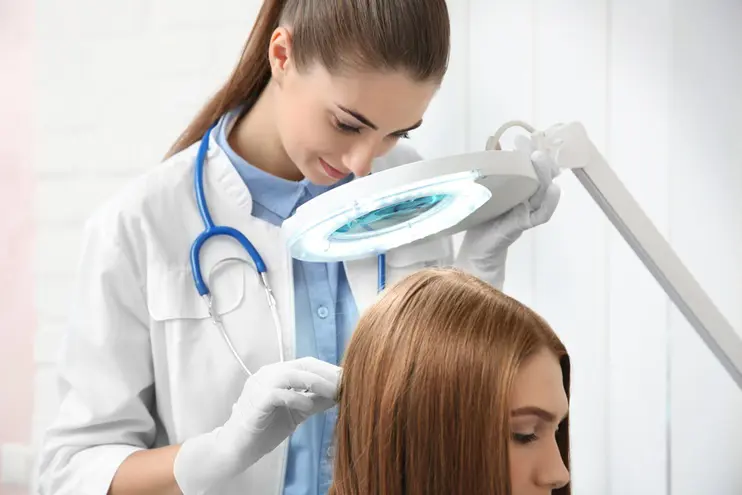
You should consider a specialist evaluation if:
- Dandruff is thick, yellow, or spreading beyond the scalp
- Itching is severe or persistent
- There is redness, pain, or crusting
- Hair shedding is increasing alongside scalp symptoms
- Over-the-counter treatments have failed after consistent use
Proper diagnosis prevents months—or years—of ineffective self-treatment.
So, Is Scalp Therapy Effective?
Yes—when it is done correctly.
Scalp therapy works when it:
- Targets the biological cause, not just the flakes
- Respects the scalp barrier
- Is consistent rather than aggressive
- Is adjusted based on response
At Sinsang Plastic and Reconstructive Surgery, we view scalp care as part of comprehensive skin health. The scalp deserves the same diagnostic attention and medical reasoning as the face—because it follows the same biological rules.
When patients understand this, they stop fighting their scalp—and start restoring it.
Clinical Guidance & Recovery Considerations
All surgical and non-surgical treatments carry potential risks such as temporary swelling, bruising, asymmetry, or infection depending on individual anatomy. Detailed indications and personalized recovery expectations are confirmed during in-person ultrasonic evaluation with a Sinsang board-certified specialist.
Patient Concierge
Gangnam Station / Sinsa Area · 150 Dosan-daero 5F–6F, Seoul
Mon–Thu 10:00–19:00 · Fri 10:00–21:00 · Sat 10:00–17:00
Online Inquiry Form →WhatsApp (+1 201-940-3238)LINE (@853akazy)CONTINUE EXPLORING
More Medical Insights

Rising Demand for Double Chin Revision Surgery: Korean Market Price Trends
Rising Demand for Double Chin Revision Surgery: Korean Market Price Trends
Explore →

What is fat grafting - Procedure, Uses, Types, Benefits, and Risks
What is fat grafting - Procedure, Uses, Types, Benefits, and Risks
Explore →

Why 9,000 Global Patients Chose Seoul for Specialized Neck Contouring Surgery
Why 9,000 Global Patients Chose Seoul for Specialized Neck Contouring Surgery
Explore →
INTERNATIONAL CONCIERGE · GANGNAM, SEOUL
Begin Your Personalized Surgical Plan With Sinsang Specialists
Share your goals online or connect directly via our official WhatsApp or LINE concierge for pre-travel assessment and scheduling.