

CLINICAL ARTICLE
How to Treat Pigmentation in Delicate Areas Like Around the Eyes?
Discover safe, effective ways to treat pigmentation around the eyes. Explore gentle solutions for brighter, even-toned skin. Learn how to restore your glow today!
How to Treat Pigmentation in Delicate Areas Like Around the Eyes?
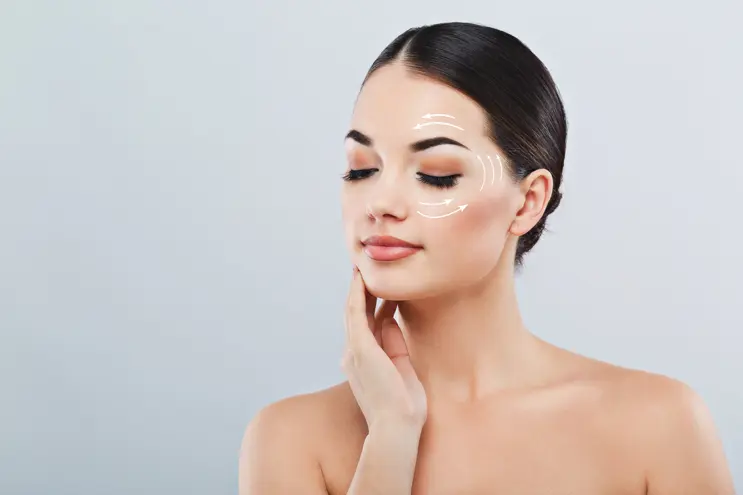
Most patients don’t come to our clinic worried about deep wrinkles first.
They come because they look tired — even on days when they feel perfectly fine.
Very often, the reason isn’t sagging skin or loss of volume.
It’s pigmentation around the eyes.
Dark circles, uneven tone on the upper or lower eyelids, or a faint brown-gray shadow along the inner corners can quietly change how a face is perceived. And because the eye area is the thinnest, most expressive skin on the face, even subtle discoloration becomes highly noticeable.
To be honest, treating pigmentation around the eyes is one of the most misunderstood areas in aesthetic medicine — and one of the easiest to treat incorrectly.
At Sinsang Plastic and Reconstructive Surgery, we approach periorbital pigmentation not as a cosmetic flaw, but as a diagnostic challenge. The treatment depends entirely on why the pigmentation exists in the first place.
Let’s walk through this carefully, the way we would in a consultation room.
Why Pigmentation Around the Eyes Is Different?
The skin around the eyes is structurally unique.
It is:
- 30–40% thinner than cheek skin
- Low in oil glands
- Rich in blood vessels
- Constantly in motion (blinking, smiling, squinting)
This means two important things:
- Pigmentation shows more easily
- Aggressive treatments that work elsewhere often fail or cause damage here
Many patients tell us they’ve already tried brightening creams, laser toning, or even chemical peels — only to see little improvement, or worse, rebound darkening.
That’s not because the treatments were “bad.”
It’s because the diagnosis was incomplete.
Not All “Dark Circles” Are Pigmentation
One of the most important things we explain early is this:
Dark circles are not a single condition.
In clinical practice, discoloration around the eyes usually falls into four overlapping categories:
1. True Pigmentation (Melanin-Based)
This appears brown or gray-brown and is caused by excess melanin in the epidermis or dermis.
Common triggers:
- Genetics
- Chronic rubbing
- Post-inflammatory pigmentation from eczema or allergies
- Sun exposure (yes, even around the eyes)
2. Vascular Darkness
This looks bluish, purplish, or shadow-like and comes from visible blood vessels beneath thin skin.
No amount of whitening cream will fix this.
3. Structural Shadowing
Hollow tear troughs or eyelid laxity create shadows that look like pigmentation but are actually anatomical.
4. Mixed-Type (Most Common)
A combination of melanin, vascular visibility, and structural issues.
This is where many treatments fail — because only one component is addressed.
Why Self-Treatment Often Makes It Worse?
Patients often ask, “Is it okay to use whitening products around the eyes?”
The honest answer: sometimes — and often not for long.
The eye area is highly reactive. Repeated exposure to:
- Hydroquinone
- Strong acids
- Retinoids used incorrectly
can lead to:
- Chronic inflammation
- Barrier damage
- Rebound hyperpigmentation
- Thinning of already fragile skin
Ironically, aggressive brightening can make pigmentation more persistent.
This is why in Gangnam, among experienced aesthetic surgeons, the trend has shifted away from “bleaching” toward skin stabilization and regeneration first.
How We Diagnose Eye-Area Pigmentation at Sinsang?
Before discussing treatment, diagnosis is everything.
At our clinic, periorbital pigmentation assessment includes:
- High-resolution 3D facial analysis-Ultrasonic skin imaging to evaluate dermal thickness and vascular contribution
- Review of allergy history, eye rubbing habits, and skincare use
- Assessment of eyelid laxity, tear trough depth, and fat positioning
What many patients don’t realize is that pigmentation is often a symptom, not the root problem.
Once we understand the dominant cause, treatment becomes much more predictable — and safer.
Treating True Pigmentation Safely Around the Eyes

When melanin is the primary issue, treatment must be layer-specific and conservative.
Gentle Laser Toning
Low-energy pigment lasers can help, but only when:
- Skin barrier is healthy
- Settings are adjusted specifically for eyelid skin
- Sessions are spaced appropriately
Over-treatment leads to inflammation — and inflammation leads to more pigmentation.
Medical-Grade Topicals
Rather than one-size-fits-all whitening creams, we often prescribe:
- Low-irritation tyrosinase inhibitors
- Barrier-repair formulations
- Anti-inflammatory agents
Applied intermittently, not continuously.
Sun and Light Protection
Many patients are surprised to learn that:
- UV and visible light contribute to eye-area pigmentation
- Sunglasses and mineral-based eye sunscreens matter more than most creams
When Pigmentation Isn’t the Real Problem
This is a delicate conversation we often have.
If discoloration is primarily vascular or structural, pigment-focused treatments won’t work — and may frustrate patients.
Vascular Darkness
In these cases, the solution may involve:
- Improving skin thickness
- Enhancing microcirculation
- Regenerative treatments rather than lasers
Structural Shadowing
Here, pigmentation treatment alone is ineffective.
Options may include:
- Tear trough correction
- Eyelid support procedures
- Skin quality improvement to diffuse light reflection
This is where surgical understanding becomes essential. Without it, patients chase pigmentation that doesn’t truly exist.
The Role of Regenerative Therapy in Delicate Areas
At Sinsang, we place strong emphasis on regenerative aesthetics, especially around the eyes.
Why?
Because long-term improvement depends on:
- Skin thickness
- Vascular stability
- Inflammation control
- Healing quality
Stem Cell–Based Therapies
Used judiciously, regenerative treatments can:
- Improve dermal density
- Reduce vascular show-through
- Enhance healing after laser or procedural treatments
This isn’t about “anti-aging hype.”
It’s about creating skin that behaves more like healthy skin.
Many patients notice that once skin quality improves, pigmentation becomes less noticeable — even before targeted pigment treatments begin.
Why the “Pulled” or Artificial Look Is a Fear — Even with Pigmentation Treatment
You might wonder why a plastic surgery clinic talks so much about anatomy when the concern is pigmentation.
The reason is simple:
Around the eyes, everything is connected.
Overcorrecting pigmentation without respecting:
- Eyelid tension
- Skin thickness
- Natural eye expression
can create an unnatural contrast — bright skin over weak structure.
This is why our philosophy avoids aggressive, isolated treatments. We think in terms of balance and longevity, not quick fixes.
Cultural Insight: The Korean Approach to Eye-Area Aging
In Korea, especially among patients in their 30s to 50s, there is a strong preference for:
- Looking well-rested, not “done”
- Preserving personal identity
- Aging naturally, but clearly cared for
Pigmentation around the eyes disrupts this balance more than almost any other factor.
That’s why Gangnam clinics with surgical depth tend to approach eye pigmentation conservatively, gradually, and with a long-term plan — not a single procedure.
What Results Should You Realistically Expect?
This is an important question.
With proper diagnosis and treatment:
- Pigmentation can be significantly softened
- Skin tone becomes more even
- The eye area appears brighter and less fatigued
But complete erasure is rarely the goal — or realistic.
The real success is when:
People stop asking if you’re tired — and start asking if you slept well.
When Should You Seek Professional Evaluation?
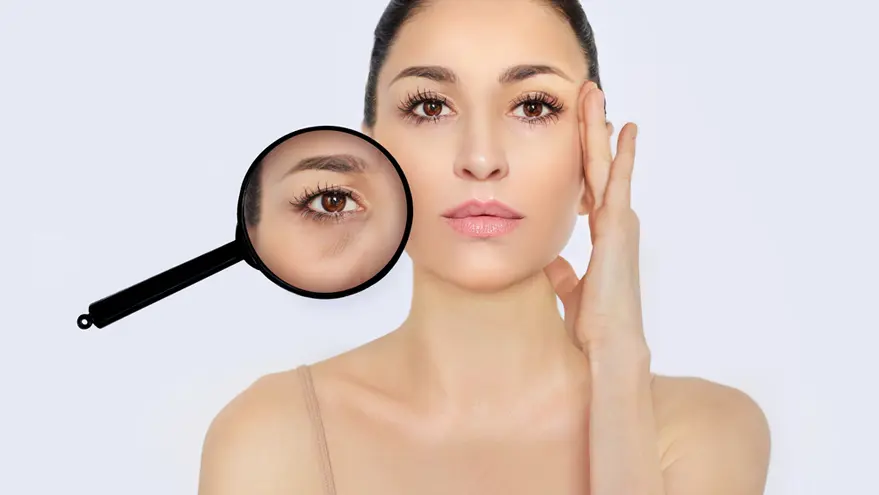
Consider a consultation if:
- Dark circles persist despite skincare
- Pigmentation worsens after treatments
- One eye looks darker than the other
- You’re considering laser or injectable treatments near the eyes
These signs suggest that a deeper evaluation is needed.
A Final Thought from Our Surgical Team
Treating pigmentation around the eyes is not about chasing brightness.
It’s about understanding why the skin looks the way it does, respecting its fragility, and improving its health step by step.
If you’re considering treatment, choose a clinic that:
- Performs detailed diagnostics
- Is led by board-certified surgeons
- Understands both non-surgical and surgical anatomy
- Prioritizes long-term skin behavior, not short-term contrast
At Sinsang Plastic and Reconstructive Surgery, this integrated approach is at the core of how we treat delicate areas — carefully, conservatively, and with respect for your natural expression.
If these concerns sound familiar, a personalized consultation can help clarify what’s truly happening around your eyes — and what can be done safely.
Clinical Guidance & Recovery Considerations
All surgical and non-surgical treatments carry potential risks such as temporary swelling, bruising, asymmetry, or infection depending on individual anatomy. Detailed indications and personalized recovery expectations are confirmed during in-person ultrasonic evaluation with a Sinsang board-certified specialist.
Patient Concierge
Gangnam Station / Sinsa Area · 150 Dosan-daero 5F–6F, Seoul
Mon–Thu 10:00–19:00 · Fri 10:00–21:00 · Sat 10:00–17:00
Online Inquiry Form →WhatsApp (+1 201-940-3238)LINE (@853akazy)CONTINUE EXPLORING
More Medical Insights

Rising Demand for Double Chin Revision Surgery: Korean Market Price Trends
Rising Demand for Double Chin Revision Surgery: Korean Market Price Trends
Explore →

What is fat grafting - Procedure, Uses, Types, Benefits, and Risks
What is fat grafting - Procedure, Uses, Types, Benefits, and Risks
Explore →

Why 9,000 Global Patients Chose Seoul for Specialized Neck Contouring Surgery
Why 9,000 Global Patients Chose Seoul for Specialized Neck Contouring Surgery
Explore →
INTERNATIONAL CONCIERGE · GANGNAM, SEOUL
Begin Your Personalized Surgical Plan With Sinsang Specialists
Share your goals online or connect directly via our official WhatsApp or LINE concierge for pre-travel assessment and scheduling.