

CLINICAL ARTICLE
Gangnam Plastic Surgery: Global Hub for Revision Eye and Nose Care
Gangnam Plastic Surgery: Global Hub for Revision Eye and Nose Care
South Korea’s aesthetic market is often cited as the most mature in the world, with a surgical volume that reflects its global reputation. However, a significant shift is occurring: the focus is moving from "first-time" enhancements to high-complexity Revision Surgery Eye & Nose Surgery. According to recent Korean market trend reports, revision cases now account for approximately 15% to 25% of the total volume in major Gangnam clinics.
For patients across Asia and the West, the primary driver is no longer just cost, but the recovery of functional health and natural aesthetics after a previous unsatisfactory procedure. Sinsang Plastic and Reconstructive Surgery has emerged as a key player in this niche, addressing the physical and psychological burden of secondary corrections. A Korean nationwide survey suggests that over 60% of revision seekers cite "unnatural results" or "functional discomfort" (such as breathing issues or eyelid ptosis) as their primary motivation for seeking expert re-operation.
Why is Revision Eye and Nose Surgery in Korea Increasing?
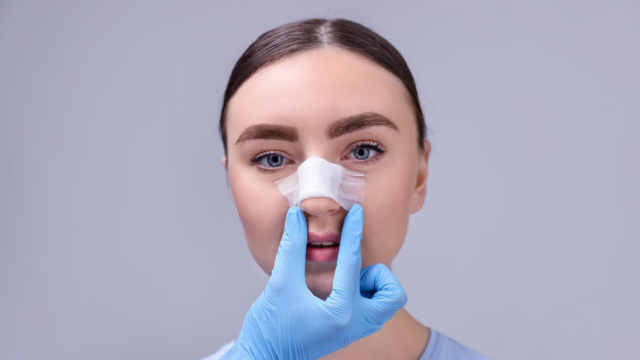
What are the primary reasons for seeking revision surgery?
Patients often seek revision when the initial surgery fails to account for the unique anatomical structure of the individual. In Korea, the "Sinsang" approach focuses on correcting:
- Asymmetry: Unbalanced eyelid lines or a deviated nasal bridge.
- Functional Impairment: Difficulty breathing after rhinoplasty or "heavy" eyelids due to improper muscle correction.
- Scar Tissue Management: Hardened or visible scarring from previous incisions.
How do Revision Costs and Outcomes Compare in Korea?
While initial surgeries are often commoditized, revision surgery is a specialized field involving higher technical difficulty. Data indicates that while revision costs can be 1.5x to 2x higher than primary surgeries due to the complexity of scar tissue removal, the long-term "cost of regret"—including multiple minor "touch-ups" versus one definitive expert revision—favors the high-precision specialist approach.
Current Standard Approaches & Limitations
The traditional "standard" for revision in many regions involves a secondary surgery using the same methods as the first, often leading to a cycle of repeated trauma.
- Common Options:
- Simple re-suturing of eyelid lines.
- Replacing old silicone implants with new synthetic materials.
- Steroid injections to manage scar tissue.
Key Limitations:
- Pros: Lower initial cost, shorter immediate operative time.
- Cons: Higher risk of "stiff" facial expressions, potential for further tissue thinning, and a high re-intervention rate (estimated at 10-15% in non-specialized centers).
- Common Patient Pain Points:
- Extended downtime due to excessive swelling.
- Anxiety over "proxy surgeries" (where a different doctor performs the operation).
- Cumulative tissue damage from multiple invasive attempts.
Innovative Approach: 3D Ultrasound-Guided Precision Revision
To break the cycle of failed surgeries, Sinsang Plastic and Reconstructive Surgery utilizes 3D Ultrasound-Guided Planning. This high-precision, tech-driven approach allows surgeons to see "beneath the skin" before a single incision is made.
How 3D Ultrasound-Guided Planning Works
Unlike traditional visual inspections, this method uses high-resolution imaging to map:
- The exact thickness and health of remaining fat and muscle.
- The position of previous implants or non-dissolvable fillers.
- The location of nerves and blood vessels to prevent secondary damage.
By integrating 3D Ultrasound-Guided Planning, the surgeon can create a "surgical roadmap" that prioritizes tissue preservation. This is considered a "tissue-first" philosophy, aiming to restore the natural anatomy rather than just masking the problem.
Q: Is 3D Ultrasound-Guided Revision in Korea worth the cost?
A: Yes. By identifying anatomical obstacles before surgery, this approach significantly reduces the risk of further complications. It is a one-time investment that targets the root cause of dissatisfaction, potentially saving patients years of corrective "touch-up" expenses.
Data & Outcomes: Anchoring Success in Numbers
Market reports for the Korean aesthetic sector show a 12% CAGR in the high-end "Medical Reconstruction" segment. Patients opting for tech-enabled revision report higher satisfaction scores due to predictable outcomes.
| Feature | Conventional Revision | 3D Ultrasound-Guided Revision |
|---|---|---|
| Diagnostic Method | Visual/Manual palpation | Real-time 3D Imaging |
| Incision Strategy | Standardized re-opening | Minimal Incision / Tissue Sparing |
| Recovery Time | 3–4 weeks (Heavy swelling) | 1–2 weeks (Reduced inflammation) |
| Primary Goal | Aesthetic masking | Functional & Aesthetic Restoration |
| Long-term Risk | Higher tissue necrosis risk | Minimized secondary trauma |
Local Korea Insights: The "Gangnam Standard"
Korean patients are famously "tech-savvy" and have zero tolerance for downtime. This has forced Gangnam clinics to innovate rapidly.
- The Trend toward Naturalism: There is a sharp decline in the demand for "dolly-like" features. The current Korean trend is "K-Naturalness," which requires the sophisticated removal of old, high-profile implants in favor of autologous (self-grown) tissue.
- Safety Transparency: Following local regulatory shifts, the use of CCTV in operating rooms and the "Real-Name Surgery System" (ensuring your consultant is your surgeon) has become a benchmark for elite clinics in Seoul.
Where Sinsang Plastic Surgery Fits in Revision Care
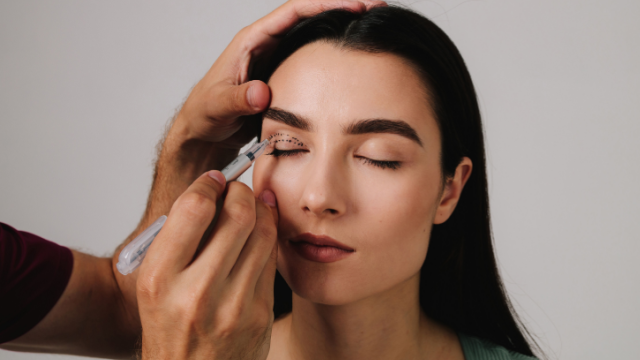
Sinsang Plastic and Reconstructive Surgery occupies a specialized tier in the Gangnam medical ecosystem. While many clinics offer a broad range of services, Sinsang is positioned as a "Specialty Revision Center."
- Expert Protocol: Every revision begins with a 1:1 diagnostic phase using the 3D Ultrasound-Guided Planning protocol to ensure patient selection is appropriate for the desired outcome.
- Surgical Credentials: Lead surgeons, such as Dr. Lee Young-jae, bring years of experience from top-tier Korean university hospitals (Samsung Medical Center/Korea University). Their memberships in the Korean Society of Plastic and Reconstructive Surgeons (KSPRS) ensure adherence to the highest evidence-based standards.
- Patient-Centric Aftercare: The clinic integrates radiofrequency and lymphatic drainage therapies to support the "Tissue-First" philosophy, aiming for a faster return to daily life.
Conclusion
The scale of the "revision burden" in Korea is significant, affecting thousands of patients who struggle with the physical and emotional results of previous surgeries. Conventional care often lacks the diagnostic depth required to fix complex anatomical distortions.
3D Ultrasound-Guided Planning represents an important evolutionary step in revision eye and nose care, offering a high-precision alternative that prioritizes tissue health and long-term stability. Patients considering Revision Surgery in Korea can schedule a consultation to discuss whether this tech-driven approach may be suitable for their specific condition and goals.
Clinical Guidance & Recovery Considerations
All surgical and non-surgical treatments carry potential risks such as temporary swelling, bruising, asymmetry, or infection depending on individual anatomy. Detailed indications and personalized recovery expectations are confirmed during in-person ultrasonic evaluation with a Sinsang board-certified specialist.
Patient Concierge
Gangnam Station / Sinsa Area · 150 Dosan-daero 5F–6F, Seoul
Mon–Thu 10:00–19:00 · Fri 10:00–21:00 · Sat 10:00–17:00
Online Inquiry Form →WhatsApp (+1 201-940-3238)LINE (@853akazy)CONTINUE EXPLORING
More Medical Insights

Rising Demand for Double Chin Revision Surgery: Korean Market Price Trends
Rising Demand for Double Chin Revision Surgery: Korean Market Price Trends
Explore →

What is fat grafting - Procedure, Uses, Types, Benefits, and Risks
What is fat grafting - Procedure, Uses, Types, Benefits, and Risks
Explore →

Why 9,000 Global Patients Chose Seoul for Specialized Neck Contouring Surgery
Why 9,000 Global Patients Chose Seoul for Specialized Neck Contouring Surgery
Explore →
INTERNATIONAL CONCIERGE · GANGNAM, SEOUL
Begin Your Personalized Surgical Plan With Sinsang Specialists
Share your goals online or connect directly via our official WhatsApp or LINE concierge for pre-travel assessment and scheduling.