
CLINICAL ARTICLE
Forehead Lift Surgery Seoul: Cost & Results 2026 | Sinsang
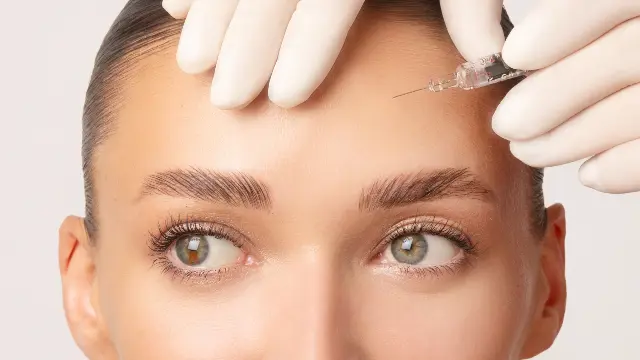
Considering forehead lift surgery in Seoul? Sinsang's board-certified surgeons offer natural brow lift results, full 2026 pricing & a complete US patient recovery guide.
Forehead Lift Surgery Seoul: Brow Lift Cost & Results 2026
You look in the mirror before a board presentation and you see it: a forehead and brow line that have slowly, quietly shifted into territory that no longer reflects the clarity and energy you bring to every room you walk into. The brows sit heavier than they used to. The horizontal lines across your forehead are there even at rest, not just when you are concentrating. The upper eyelid area feels closed off rather than open, and the expression looking back at you reads as tired or serious in a way you simply are not. This is not vanity. This is alignment between who you are and how you are seen, and it matters.
You have done what any intelligent, research-driven person does. You have tried Botox, adjusted your skincare protocol, and explored Ultherapy. Those interventions have been useful, but you have now reached their structural ceiling. Botox can relax a muscle; it cannot reposition tissue that has physically descended over years. You are now evaluating whether forehead lift surgery Seoul represents the precision solution you have been building toward. You understand that this is a surgical decision, and you are approaching it with the same rigor you would apply to any significant investment.
By the end of this guide, you will understand exactly what makes forehead lift surgery Seoul a globally recognized center for upper face rejuvenation, which surgical technique is right for your specific anatomy, what a realistic week-by-week recovery looks like for a working professional flying home to the United States, how the true cost of forehead lift surgery in Seoul compares to New York City in 2026, and why Sinsang's board-certified surgeons are the team to trust with this decision. You can also explore the broader topic of plastic surgery safety in South Korea before you travel, and we encourage every international patient to review that resource alongside this guide.
At Sinsang Plastic and Reconstructive Surgery, our team of board-certified plastic surgeons with a combined clinical experience of more than 85 years has performed over 1,800 facial and reconstructive procedures annually, with forehead lift surgery forming a core pillar of our upper face rejuvenation program for international patients from the United States, the United Kingdom, and across Asia.
What Is Forehead Lift Surgery? Seoul's Approach to Upper Face Rejuvenation
Forehead lift surgery, also called brow lift surgery, is one of the most anatomically targeted procedures available for upper face rejuvenation, and Seoul's approach to it differs meaningfully from what most Western patients have encountered in their research. Before you can evaluate whether this procedure is right for you, it helps to understand precisely what happens to the upper face over time and what a surgical lift actually corrects at the structural level.
The Anatomy of Brow Descent: Why the Upper Face Ages the Way It Does
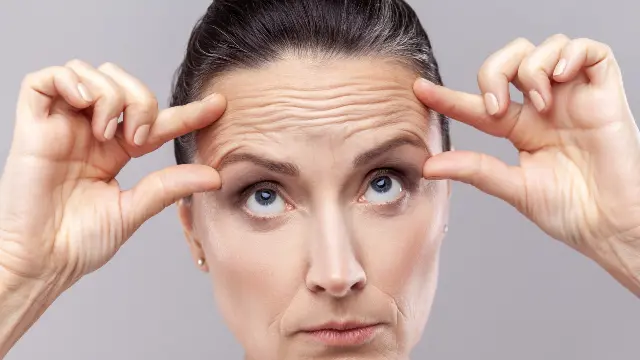
The forehead and brow complex do not age the way most people assume. It is not simply that the skin loosens or that wrinkles accumulate on the surface. What actually happens, beginning in a woman's late 30s and accelerating through her 40s and 50s, is a gradual gravitational descent of the entire soft tissue complex above the orbital rim. The bony support of the orbital area diminishes slightly over time, the ligamentous attachments that hold the brow in its youthful position weaken, and the frontalis muscle, which has been lifting the brow for decades, begins to fatigue. The result is brow ptosis: the true structural descent of the brow below its anatomically appropriate resting position.
This distinction is critically important. There is a condition called pseudo-blepharoplasty, where the upper eyelid appears heavy and hooded not because there is excess eyelid skin but because the brow has descended over the orbital rim and is pressing the eyelid tissue downward. Many women in their mid-to-late 40s who believe they need upper eyelid surgery actually have brow ptosis as the primary driver of their upper eyelid appearance. Operating on the eyelid alone in these cases addresses only the secondary effect while leaving the structural cause untouched. That is why precise diagnosis at the consultation stage is not a nicety but a clinical necessity.
The deepening of glabellar frown lines, those vertical "11" lines between the brows, and the horizontal forehead creases that persist even when the face is completely at rest, are both driven primarily by the corrugator and frontalis muscles. Botox relaxes those muscles temporarily, which is why it produces a visible improvement for 3 to 4 months. However, Botox does not, and cannot, reposition tissue that has structurally descended. Once brow ptosis has progressed to a meaningful degree, the only intervention that physically restores the brow to its anatomically appropriate position is surgery.
Forehead Lift vs. Brow Lift: Are They the Same Procedure?
The terms "forehead lift" and "brow lift" are used interchangeably in both clinical and patient-facing contexts, and they refer to the same category of surgical procedure. Both address brow position, forehead skin quality, and the underlying muscles contributing to lines and descent. When you encounter either term during your research, you can treat them as synonymous.
What is not synonymous is a browpexy. A browpexy is a limited internal brow fixation technique that is typically performed in conjunction with upper eyelid surgery, not as a standalone forehead lift. It elevates the brow by a smaller, more conservative amount through the same incision used for upper blepharoplasty. It is an appropriate adjunctive technique when brow descent is mild and the patient is primarily having eyelid surgery, but it does not provide the comprehensive elevation, muscle resection, and tissue release that a full brow lift surgery delivers.
A full forehead lift surgically repositions the brow by releasing the periosteal and ligamentous attachments that are tethering it in its descended position, resects or weakens the corrugator and procerus muscles that are generating deep glabellar lines, and resuspends the entire soft tissue complex of the forehead and brow at an elevated and anatomically appropriate position. This distinction matters enormously in practice. If you have been told you need upper eyelid surgery and you are unsure whether your primary issue is eyelid laxity or brow descent, the answer changes your surgical plan entirely.
You may also want to review Sinsang's guide on lower eyelid fat repositioning to understand how eyelid anatomy interacts with forehead position when planning a comprehensive upper face rejuvenation.
How Forehead Lift Surgery in Seoul Differs from the Western Approach
Seoul's plastic surgeons approach the forehead lift within a philosophy of whole-face harmony, not as an isolated intervention on a single anatomical zone. The training model for board-certified plastic surgeons in Korea, which involves rigorous residency programs followed by extensive fellowship training, emphasizes conservative tissue handling, minimal visible scarring, and proportional elevation across all three facial thirds. The aesthetic goal is never a swept-back, elevated, or surprised brow. It is always a rested, open, and naturally aligned expression that looks like the patient on her best day, not like someone who has had surgery.
At Sinsang, forehead lift surgery is planned using a comprehensive assessment of individual brow shape, hairline height, the ratio of the upper to mid to lower facial thirds, and skin quality and elasticity. No two forehead lifts at Sinsang follow the same template because no two faces present the same anatomy. For international patients, particularly Caucasian American women whose brow anatomy and aesthetic expectations differ from the Asian patient majority that constitutes most Gangnam clinic practices, this individualized approach is especially meaningful.
Am I the Right Candidate? Who Benefits Most from Forehead Lift Surgery
One of the most important questions any intellectually honest clinic can answer is not just "who is a candidate?" but also "who is not a candidate yet, and what should they do instead?" Sinsang's approach to candidacy assessment is grounded in accurate diagnosis, not in procedure recommendation for its own sake.
The Ideal Candidate for Forehead Lift Surgery: What Surgeons Assess
The primary anatomical indicators that place a patient in the optimal candidacy range for a forehead lift include a brow that sits at or below the orbital rim, which is particularly significant for women because the female aesthetic brow position should rest slightly above the orbital rim with a gentle arch that peaks toward the lateral third of the brow. Deep horizontal forehead creases that are visible at rest rather than only when actively frowning or concentrating are another strong indicator. Vertical glabellar lines, the "11" lines between the brows, that persist even when the face is relaxed indicate corrugator muscle hyperactivity that can be addressed directly during the lift. Upper eyelid heaviness that is driven by brow descent rather than true eyelid skin excess is perhaps the most clinically significant indicator, because it signals that addressing the brow will simultaneously improve the eyelid appearance without requiring separate eyelid surgery in every case.
Asymmetric brow positioning, where one brow sits measurably lower than the other, is also an excellent indication for a forehead lift because surgery allows precise correction of the asymmetry in a way that no non-surgical intervention can reliably replicate.
The mid-40s to mid-50s age window is consistently cited as optimal for forehead lift candidacy, and there is sound anatomical reasoning behind this. In this range, the skin still has sufficient elasticity to support a natural, lasting result, and the tissue quality is robust enough to support the fixation techniques that hold the elevated position long-term. Women in this age bracket who have reached the ceiling of Botox and Ultherapy for brow position are precisely the candidates for whom a forehead lift delivers its most compelling outcomes.
Concern | Right for Forehead Lift? | Recommended Approach |
|---|---|---|
Brow sits at or below orbital rim | Yes | Forehead lift (endoscopic or direct) |
Deep horizontal forehead creases at rest | Yes | Forehead lift with or without muscle resection |
Heavy upper eyelids from brow descent | Yes | Forehead lift; evaluate blepharoplasty need after |
Forehead wrinkles from Botox dependency | Consider | Forehead lift reduces long-term Botox reliance |
Mild brow descent, early signs | Consider | Ultherapy Prime or thread lift first |
Excess upper eyelid skin (true laxity) | Partial | Upper blepharoplasty with or without forehead lift |
For patients considering whether a forehead lift is the right standalone procedure or whether it should be part of a broader facial rejuvenation plan, the Sinsang guide on mini facelift vs. full facelift is a helpful companion resource that addresses the question of scope and combination.
When Forehead Lift Is Not the Right First Step
Intellectual honesty about candidacy builds more trust than any marketing claim, and Sinsang's consultation process is built on exactly that principle. If brow descent is mild and the patient is in her early 40s with genuinely good skin elasticity, Sinsang surgeons will frequently recommend Ultherapy Prime at Sinsang as the first intervention. This focused ultrasound treatment tightens and lifts the skin and underlying SMAS layer, providing a meaningful improvement for patients whose brow position is only slightly below optimal. It is not a replacement for surgery in cases of true brow ptosis, but for patients in the early phase of descent, it can provide a satisfying and appropriately timed result.
If the patient's primary concern is upper eyelid skin excess rather than brow position, upper blepharoplasty may be the more targeted and appropriate procedure. In some cases, the correct recommendation is upper blepharoplasty now and a forehead lift consideration in three to five years as aging continues. Sinsang's consultation process assesses each patient based on her actual anatomy, her professional timeline, and her realistic goals, not on the basis of which procedure represents a higher clinical investment.
Forehead Lift Techniques at Sinsang: Which Approach Is Right for You?
The technique chosen for your forehead lift is not a minor detail. It determines your incision placement, your scarring profile, your recovery timeline, the degree of elevation achievable, and the longevity of your result. At Sinsang, technique selection is made after a comprehensive pre-operative consultation that includes digital facial analysis, precise measurement of brow position relative to the orbital rim, and assessment of your hairline characteristics. The following is a detailed clinical overview of each approach and when Sinsang recommends it.
Endoscopic Forehead Lift: The Gold Standard for Most Patients
The endoscopic approach is the technique most commonly performed at Sinsang for international patients in their 40s and 50s, and it is the right choice for the majority of women in Rebecca's profile range. The procedure uses three to five small incisions, each typically less than two centimeters in length, placed within the hairline and completely hidden by the overlying hair. An endoscope, a thin camera instrument, is inserted through these incisions to provide the surgeon with full, high-definition visualization of the subperiosteal plane without requiring the large ear-to-ear incision of a traditional coronal lift.
The surgical steps involve releasing the periosteal attachments that are tethering the brow in its descended position, performing a targeted resection of the corrugator and procerus muscles responsible for vertical glabellar lines and deep horizontal creases, and then resuspending the entire soft tissue complex of the forehead and brow at an elevated and anatomically appropriate position. Fixation is achieved through bone tunnels, absorbable sutures, or Endotine devices, and Sinsang's preference among these methods is guided by each patient's individual brow anatomy, hairline characteristics, and the degree of elevation required.
The specific advantages of the endoscopic approach for international patients who need to plan a fixed-duration trip and return to professional life on a defined timeline include no alteration of the hairline, minimal visible scarring that is fully concealed within the hairline, a faster healing trajectory compared to open techniques, and preservation of scalp sensation in the majority of cases. The result develops naturally over four to eight weeks as post-operative swelling resolves, giving a gradual, imperceptible improvement that colleagues and professional contacts will recognize as a refreshed appearance without being able to identify a specific change.
Endoscopic forehead lift results have been shown in long-term clinical follow-up studies to last seven to twelve years on average when appropriate fixation technique is used and a maintenance program is followed. This positions the endoscopic brow lift as a meaningful, decade-level investment rather than a temporary cosmetic intervention.
The technique comparison table below summarizes the key distinctions for patients evaluating their options:
Technique | Incision | Best Indication | Recovery | Longevity |
|---|---|---|---|---|
Endoscopic lift | 3 to 5 small hairline incisions (under 2 cm each) | Moderate brow ptosis, good hairline position, most women aged 40 to 55 | 7 to 10 days to suture removal; return to professional activity at Week 3 to 4 | 7 to 12 years |
Coronal lift | Ear-to-ear across crown of scalp | Severe brow ptosis, very deep creases, history of coronal approach | 10 to 14 days; longer scalp numbness period | 10 to 15 years |
Hairline (pretrichial) lift | Precisely at the front hairline | High natural hairline; simultaneous hairline reduction desired | Similar to coronal; scar at hairline | 10 to 15 years |
Direct brow lift | Directly above the brow | Significant asymmetry; male patients; targeted correction | 5 to 7 days | 5 to 8 years |
Temporal lift | Limited incision at the temple | Lateral brow hooding; combination with mini facelift | 5 to 7 days | 5 to 8 years |
Coronal and Hairline Forehead Lift: When It Is Indicated
The classic coronal lift involves a continuous incision running from one ear to the other across the crown of the scalp. This approach provides the most significant degree of elevation and is indicated for patients with severe brow ptosis, very deep and established forehead creases, or a high frontal hairline where the extent of correction required exceeds what an endoscopic approach can reliably deliver.
The hairline, or pretrichial, forehead lift places the incision precisely at the front edge of the hairline rather than behind it. This approach is specifically suited to patients who have a naturally high hairline and who would benefit from a simultaneous reduction in hairline height alongside brow elevation. The incision, placed directly at the hairline border, is well-concealed with meticulous closure technique and hair styling in the early recovery phase.
The honest tradeoff with both of these open techniques is that the incision is longer, the healing period is somewhat extended, and the period of temporary scalp numbness is more pronounced than with the endoscopic approach. For patients in whom the anatomical indication is clear, however, these techniques produce the most comprehensive and long-lasting correction available, and they remain the clinically appropriate choice when the degree of ptosis or hairline anatomy makes them the right tool.
Direct and Temporal Brow Lift: Targeted Corrections
The direct brow lift places the incision directly above the brow and provides extremely precise, targeted correction of one or both brows. It is most commonly used for male patients, for patients with facial nerve palsy or significant post-surgical asymmetry, and for cases where the correction needed is highly localized. The resulting scar sits above the brow and heals well in most patients, but the direct brow lift is not the standard recommendation for women who are seeking a comprehensive upper face rejuvenation.
The temporal lift uses a limited incision at the temple to selectively raise the outer third of the brow. It is frequently performed as part of a comprehensive upper face rejuvenation plan or in combination with a mini facelift and is particularly useful for patients whose primary concern is lateral brow hooding that is contributing to an apparent heaviness of the outer upper eyelid area. The temporal lift does not address the central or medial brow position and should be evaluated carefully in terms of how it interacts with the patient's overall facial proportion.
It is also important to discuss risks and complications transparently in this section. Brow lift surgery is a well-established and safe procedure when performed by a board-certified plastic surgeon in an accredited facility, but all surgical procedures carry inherent risk. Based on published systematic review data, the most commonly reported complications for endoscopic forehead lift include temporary scalp paresthesia (reduced sensation), which affects a meaningful minority of patients and typically resolves within three to six months. Temporary alopecia at the incision sites is reported in approximately two to three percent of cases. Asymmetry requiring revision is reported in fewer than one percent of cases at experienced centers. Infection, hematoma, and poor wound healing are possible but rare with appropriate surgical technique and post-operative care protocol. Sinsang's anesthesiologists are board-certified and present throughout every procedure, and the clinic's nursing team provides daily monitoring during the Seoul recovery period to identify any early signs of complication promptly.
Forehead Lift Recovery: Week-by-Week Timeline for US Patients
For a working professional planning a forehead lift surgery trip to Seoul, recovery is not just a medical consideration. It is a logistical one. You need to know exactly how long to stay in Seoul, when it is safe to board a trans-Pacific flight, when you can be on video calls without visible signs of surgery, and when you can walk into a board meeting without colleagues noticing anything other than that you look notably well. The week-by-week timeline below is designed specifically for the US professional patient, with planning notes that speak directly to your real-world constraints.
Days 1 to 3: Immediate Post-Operative Recovery
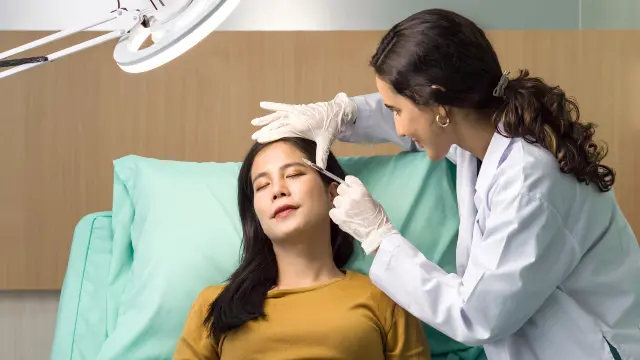
Surgery day begins with your final pre-operative consultation at Sinsang and your pre-operative preparation with the anesthesiology team. An isolated endoscopic forehead lift is typically performed under light general anesthesia or deep sedation and has an operative time of ninety to one hundred and twenty minutes. You rest in Sinsang's private recovery area for two to three hours immediately following surgery before being discharged to your hotel or recovery accommodation, accompanied by a member of the clinic's nursing team or patient coordinator.
During the first three days, you will experience forehead swelling and periorbital bruising. It is important to understand that bruising around the eyes is a normal and expected consequence of an endoscopic forehead lift even when the incisions are well within the hairline. This is because bruise fluid descends gravitationally to the periorbital area over the first twenty-four to forty-eight hours. Head elevation is essential at all times, including during sleep, and cold compresses applied gently around (not directly over) the eye area help reduce swelling. Sinsang prescribes appropriate analgesics, antibiotics, and anti-inflammatory medications; the nursing team provides daily check-in via WhatsApp throughout this phase.
Day two and day three are typically the most visually dramatic in terms of swelling. This is normal. It is not a sign of complication. Patients who understand this in advance are far more comfortable during this phase than those who are surprised by the appearance of periorbital bruising without advance preparation. Your patient coordinator will be available throughout.
Days 4 to 10: Early Recovery and Suture Removal
From Day 4 onward, the swelling begins to reduce in a noticeably progressive way. Bruising shifts through its characteristic color progression from deep purple-blue toward yellow-green as the bruise blood is metabolized and reabsorbed. By Day 5 to 6, most patients feel comfortable enough to sit in a café, take gentle walks around Gangnam, and move through their recovery accommodation with ease. Scalp incision sites remain clean and well-healing; patients return to Sinsang for suture or clip removal at approximately Day 7.
By Days 7 to 10, the early brow elevation result is visible and encouraging, though the final settled result takes four to eight weeks to fully emerge as residual swelling continues to resolve. Most patients can manage light sightseeing and gentle activity from Day 7 onward. By Days 10 to 12, the majority of patients can manage video calls with minimal visible signs of surgery when makeup is used to neutralize residual bruising; wearing hair naturally down covers hairline incision sites completely.
For US patients planning their Seoul timeline, a stay of twelve to fourteen days, including two days pre-operatively for consultation and pre-operative testing, provides the appropriate safety margin before the return trans-Pacific flight. This is the timeline Sinsang recommends for the majority of international patients from the United States. You may also find Sinsang's dedicated resource on flying home after surgery in Seoul helpful as you plan the logistics of your return journey.
Weeks 2 to 6: Return to Professional Life and the Remote Work Phase
After returning to New York following Day 10 to 14, the first five to seven days back represent a comfortable remote work and video call period. With appropriate makeup, residual swelling at this stage is minimal enough that it does not read as post-surgical on camera. Hair worn down continues to conceal hairline incision sites naturally. Most colleagues will, at most, note that you appear rested from a trip abroad.
By Weeks 3 to 4, virtually all visible bruising and the majority of swelling have resolved. The brow settles into its elevated position, the expression reads as genuinely more open and rested, and patients appear naturally refreshed in a way that is evident but not identifiable as surgical. In-person professional activity, including board meetings, client presentations, and high-visibility professional events, is appropriate from Week 4 onward for the vast majority of patients.
Exercise restrictions are maintained for three to four weeks post-operatively. Light walking can resume from Week 2. Gym activity, yoga, and elevated heart rate exercise are typically cleared at the four to six week mark depending on the individual's healing progress and the treating surgeon's assessment.
Milestone | Approximate Timeline | Planning Note |
|---|---|---|
Surgery day | Day 0 | Arrive Seoul Day minus 3 for pre-op consultation and testing |
Peak swelling | Days 2 to 3 | Rest in hotel; all care provided by Sinsang nursing team |
Suture removal | Approximately Day 7 | Clinic appointment at Sinsang |
Video calls with makeup | Days 10 to 12 | Remote professional work fully manageable |
Return flight to New York City | Days 12 to 14 | Business class; compression stockings; ambulate hourly; full hydration |
In-person professional activity | Weeks 3 to 4 | Most swelling resolved; natural refreshed appearance |
Final settled result visible | 4 to 8 weeks post-operatively | Full outcome visible without residual swelling |
Results longevity | 7 to 12 years | Enhanced with Ultherapy Prime maintenance protocol |
Forehead Lift Price Seoul vs. New York: Full 2026 Cost Breakdown
The cost question is one that every intelligent patient considering forehead lift surgery Seoul deserves to have answered with full transparency and without the vague ranges that characterize most competitor content on this topic. The following section provides a fully itemized breakdown of what forehead lift surgery actually costs at Sinsang in 2026, what is included in that price, and how the true total cost compares to the equivalent procedure at a comparable-quality New York City practice.
What Does Forehead Lift Surgery Cost in Seoul in 2026?
Sinsang provides individualized pricing at the consultation stage because the total investment is appropriately calibrated to the procedure's complexity, the technique selected, and whether the forehead lift is performed as a standalone procedure or in combination with other surgeries. The general market range for a forehead lift at a premium board-certified Gangnam clinic in 2026 is as follows.
An endoscopic forehead lift, which is the most common approach for patients in the target profile, ranges from $4,800 to $6,500 USD. A forehead lift combined with upper blepharoplasty, which addresses both brow position and true upper eyelid laxity in the same surgical session, ranges from $6,500 to $9,500 USD. A forehead lift combined with a mini facelift, which represents a comprehensive approach to upper and mid-face rejuvenation in a single procedure, ranges from $9,000 to $14,000 USD.
These prices at Sinsang include the surgeon's fee, the board-certified anesthesiologist's fee, operating room and facility costs, all pre-operative blood tests and medical clearance, post-operative nursing care during the Seoul recovery period, dedicated English-speaking patient coordinator support throughout your entire Seoul stay, and all follow-up appointments during the stay. Currency note: Sinsang provides USD-equivalent pricing confirmed at the time of consultation booking, and the exchange rate is locked at the deposit stage to protect the patient from currency fluctuation.
Forehead Lift Price Seoul vs. New York City: The True Cost Comparison
The structural cost difference between forehead lift surgery Seoul and the same procedure performed at a comparable-quality practice in New York City is significant, but the correct framing of this difference is important. Seoul's cost efficiency is not a function of reduced quality, less experienced surgeons, or lower clinical standards. It reflects a combination of factors that are structural rather than qualitative: extremely high procedure volume among Gangnam's board-certified plastic surgeons, which produces surgical expertise that deepens with every case; lower facility overhead costs relative to Midtown Manhattan; a highly competitive and tightly regulated Gangnam surgical market that keeps pricing rational; and the absence of the US medical malpractice insurance premium, which adds $2,000 to $5,000 or more to the cost of every American surgeon's procedure regardless of the surgeon's skill level.
The correct question is not "why is Seoul cheaper?" The correct question is "what am I getting for the price?" and the answer, at Sinsang, is a board-certified plastic surgeon with fifteen-plus years of clinical experience, a comprehensive care package that includes services New York City clinics charge separately for, and a highly personalized surgical plan grounded in individual facial anatomy rather than a standardized procedure template.
Cost Component | New York City 2026 | Sinsang Seoul 2026 | Notes |
|---|---|---|---|
Surgeon's fee | $6,000 to $10,000 | Included in package | All-inclusive |
Anesthesia | $1,500 to $2,500 | Included | Board-certified anesthesiologist |
Operating room and facility | $2,000 to $3,500 | Included | Accredited surgical facility |
Pre-operative tests | $400 to $800 | Included | Blood work, clearance |
Post-operative nursing care | $500 to $1,500 | Included | Daily nursing check-in during Seoul stay |
English-speaking patient coordinator | Not standard | Included | Full support from inquiry through return |
Surgery Total | $10,400 to $18,300 | $4,800 to $6,500 | $5,600 to $11,800 savings |
Business class flight (NYC to Seoul return) | $3,500 to $6,000 | One-time travel cost | |
Gangnam hotel or recovery apartment (14 nights) | $2,800 to $4,200 | Premium recovery accommodation | |
Meals and incidentals | $800 to $1,200 | 14-day Seoul budget | |
True Total Cost | $10,400 to $18,300 | $11,900 to $17,900 | Comparable or lower, with a Seoul experience included |
The true total cost of forehead lift Korea, inclusive of every travel expense, is at parity with or below what the same procedure costs in New York City without the travel experience. The arithmetic of this comparison is one reason why forehead lift Korea has become a serious, financially logical consideration for discerning US patients, not a compromise.
Payment and Currency Guidance
Sinsang accepts major international credit cards including American Express Platinum, Visa, and Mastercard, as well as international wire transfer and in-clinic card payment. A booking deposit of typically twenty to thirty percent of the procedure total is required to secure the surgical date, with the remainder payable upon arrival or before surgery day. Sinsang's international patient coordinator provides a written quote in USD at the time of consultation confirmation, and the exchange rate is locked at the deposit stage so that patients can plan their budgets without currency risk. For patients who prefer to explore third-party financing options, Sinsang's coordinator can direct them to available resources, though this is not a common requirement for the international patient profile.
Forehead Lift Results: What to Expect and How Long They Last
Understanding what your results will actually look like, and how long they will last, is the foundation of realistic expectation setting. The goal of a forehead lift at Sinsang is never a dramatic transformation. It is always a precise restoration of the anatomical position that time has gradually shifted, producing an expression that looks like you at your most rested, open, and vital.
What Changes and What Stays the Same After a Forehead Lift
A well-executed endoscopic forehead lift at Sinsang raises the brow to its anatomically appropriate resting position for a woman in the mid-to-late 40s. The degree of elevation is calibrated precisely to the individual's anatomy: the goal is not to create a brow that reads as lifted but to restore a resting brow position that no longer reads as heavy or descended. This nuance is what separates a natural brow lift result from the overcorrected, windswept, or surprised appearance that characterizes poorly executed lifts, and it is exactly what Sinsang's surgical philosophy is designed to avoid.
In concrete terms, the changes you can expect include brow elevation of typically four to eight millimeters at the lateral and central brow, smoothing of horizontal forehead creases that were present at rest before surgery, reduction or elimination of the vertical glabellar "11" lines between the brows through direct muscle treatment during the procedure, opening of the upper eyelid visual field as the descended brow tissue is lifted off the eyelid, and an overall expression that reads as alert and rested rather than closed or serious.
What stays the same is everything that constitutes your individual appearance: your bone structure, your facial character, your natural expression when animated, and the fundamental features that make you recognizable as yourself. A forehead lift is a restoration, not a revision.
The final settled result from brow lift surgery is visible at four to eight weeks as swelling resolves and the elevated tissue settles into its new position. The most complete and accurate representation of the long-term result is seen at three to four months post-operatively, when all residual tissue remodeling has finished. Before and after photography taken before this milestone will underrepresent the true outcome.
How Long Do Forehead Lift Results Last?
Endoscopic forehead lift results last seven to twelve years on average, with meaningful variation based on individual skin elasticity, lifestyle factors including sun exposure history and smoking status, and adherence to a maintenance protocol after surgery. This evidence-based range is drawn from long-term follow-up studies of endoscopic forehead lift outcomes, including a thirteen-year clinical review that demonstrated high patient satisfaction at a mean follow-up of thirty-eight months, with sustained brow elevation relative to pre-operative baseline across the study cohort.
It is important to understand that natural aging continues after surgery, but it continues from a restored baseline rather than from a descended one. A patient who has had a forehead lift at forty-seven will look proportionately better than a peer who has not had surgery even ten years post-operatively, because her starting position for the next decade of aging is the anatomically appropriate brow position rather than the ptotic one.
Sinsang's maintenance protocol for forehead lift patients includes annual Ultherapy Prime sessions to maintain skin firmness and provide a subtle ongoing lifting stimulus, Thermage FLX treatment every eighteen to twenty-four months for skin quality and tightening, and Rejuran Healer for skin regeneration and elasticity optimization. All of these treatments are available at Sinsang during return visits.
Before and After: What Realistic Results Look Like at Sinsang
Sinsang's before and after gallery includes results from female patients aged forty-two to fifty-eight, with a specific collection from Caucasian American women presenting with lateral brow hooding, horizontal forehead creases at rest, and the characteristic "tired" upper eyelid appearance driven by brow descent rather than true eyelid laxity. The gallery is filterable by result type, allowing prospective patients to view outcomes from endoscopic forehead lift alone and from forehead lift combined with upper blepharoplasty.
All gallery images at Sinsang show results at a minimum of three months post-operatively, which is the appropriate threshold for accurately representing the settled, final outcome rather than an intermediate healing state. This is an important standard that not all clinics apply consistently.
For patients considering a combined forehead lift and facelift, the Sinsang guide on facelift surgery in Seoul provides a comprehensive overview of what a multi-area rejuvenation plan involves and how the two procedures complement each other anatomically and aesthetically. Combining a forehead lift with a facelift Seoul in the same surgical session addresses upper and lower facial descent simultaneously, reduces overall recovery time relative to staged procedures, and allows the surgeon to plan brow elevation in the context of the full facial rejuvenation rather than in isolation.
Why Choose Sinsang for Forehead Lift Surgery Seoul
The Sinsang Surgical Team: Credentials, Training, and Case Volume
Director Dr. Young-Jae Lee, M.D. is a board-certified plastic surgeon trained at Korea University Medical School, who completed his plastic surgery residency at Samsung Medical Center, one of Korea's most prestigious academic medical institutions. He holds an adjunct professorship at Sungkyunkwan University College of Medicine and brings fifteen-plus years of clinical experience in anti-aging facial surgery, precision fat grafting, and stem-cell-based facial rejuvenation. Dr. Lee's academic engagement keeps his surgical practice anchored in the latest evidence-based techniques and long-term outcome research.Director Dr. Soo-Hwan Kim, M.D. is a board-certified plastic surgeon who completed his plastic surgery residency at Samsung Medical Center and is an active member of both the Korean Society of Plastic and Reconstructive Surgeons and the Korean Society for Aesthetic Plastic Surgery. With fifteen-plus years of clinical experience specializing in facial contouring, eye and nose surgery, and craniofacial reconstruction, Dr. Kim brings a breadth of anatomical expertise to the consultation room that allows him to evaluate the forehead, brow, and eyelid complex within the full context of the face.Director Dr. Pil-Sun Eo, Ph.D., M.D. is a board-certified plastic surgeon who holds a Ph.D. in Medicine from Kyungpook National University and completed both his residency and fellowship at Kyungpook National University Hospital. With fifteen-plus years of clinical experience in craniofacial reconstruction, facial rejuvenation, and aesthetic surgery, Dr. Eo's academic and reconstructive training provides a level of technical precision in soft tissue management that translates directly into the quality of outcomes in complex cases.
Sinsang performs over 1,800 surgical procedures annually. All surgeries are performed under the direct supervision of board-certified anesthesiologists, and the clinic's accreditation standards meet the requirements of South Korea's Ministry of Health and Welfare. For international patients, the clinical environment at Sinsang is comparable in standard to what you would expect from a leading academic plastic surgery practice in the United States.
Sinsang's Personalized Approach: No Templates, No Standardized Results
Every forehead lift patient at Sinsang undergoes a comprehensive pre-operative consultation that includes digital facial analysis, precise measurement of brow position relative to the orbital rim, assessment of hairline height and the ratio of facial thirds, evaluation of skin quality and elasticity, and a detailed discussion of the patient's professional timeline, lifestyle constraints, and result expectations.
This assessment determines not only which technique is most appropriate for the individual's anatomy but also the precise degree of elevation that will produce a natural, age-appropriate result within the specific context of her face. Sinsang does not apply a standard elevation protocol. The brow position targeted for each patient is the position that, for her facial architecture specifically, produces an expression that is visually imperceptible as surgical but clearly, undeniably more rested and open than before.
For Caucasian American women whose brow anatomy and aesthetic expectations differ meaningfully from the Asian patient majority at many Gangnam clinics, this individualized philosophy is particularly important. Sinsang has extensive experience treating international patients from the United States and United Kingdom with diverse brow shapes, hairline heights, and facial proportions, and the clinic's philosophy of harmony applies consistently and without modification across all ethnicities.
International Patient Support for US Patients
Sinsang's international patient support program begins from the moment of your first inquiry and extends through your three-month post-operative follow-up from home. A dedicated English-speaking patient coordinator manages every aspect of your experience, from your initial virtual consultation through surgical date booking, pre-travel preparation, Seoul stay logistics, and post-return follow-up scheduling.
Virtual consultations via Zoom are available for all US patients prior to travel, with no commitment required. During the consultation, the surgeon reviews your standardized photo set, assesses your brow position and forehead anatomy, discusses your goals and professional timeline, and presents a personalized treatment recommendation. You receive a written treatment plan and USD-denominated cost estimate within twenty-four hours.
Post-return virtual follow-up is structured as scheduled video check-ins at Day 14 post-surgery (while you are still in Seoul or shortly after return), Day 30, Day 60, and Day 90. A comprehensive surgical records package in English is provided for any US-based physician follow-up you may require. Contact options include phone, WhatsApp, email, and in-clinic during your Seoul stay. Consultations are available in the evening Seoul time, which aligns with the New York research window of approximately 9:30 to 11:30 PM Eastern.
A concern that many US patients raise during their research phase is the question of what happens if a complication arises after they have returned to New York. Sinsang addresses this with a formal international aftercare protocol. In the event that a patient experiences any concern, symptom, or recovery question after returning to the United States, the clinic's medical team provides a same-day WhatsApp and email response with clinical guidance. If in-person assessment is required, Sinsang provides the patient's complete clinical records, surgical notes, and post-operative protocol documents in English for presentation to any US-based physician or emergency facility. Complications following a well-performed endoscopic forehead lift are rare, but the protocol exists and is well-established.
Privacy and professional discretion are standard at Sinsang. Patient records are fully confidential, no identifiable information is shared outside the clinical team without explicit consent, and the clinic's practice of not using patient images for marketing without written consent is an explicit policy. For professional women in high-visibility roles, this is not a peripheral concern, and Sinsang treats it accordingly.
How to Book Your Forehead Lift at Sinsang
Booking a forehead lift at Sinsang is a straightforward process with no unnecessary friction and no pressure to commit before you have all the information you need.
Step 1: Schedule Your Virtual Consultation
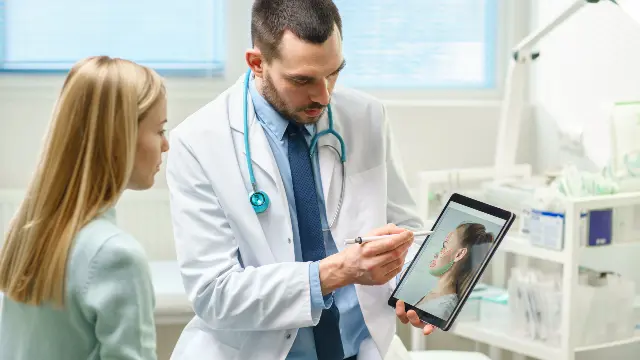
The first step is a complimentary video consultation via Zoom with an English-speaking member of the Sinsang surgical team. To prepare, you will be asked to submit a standardized photo set including frontal, lateral, and oblique views in natural lighting. The surgeon reviews these images in advance and uses them as the basis for a detailed anatomical discussion during the call.
During the consultation, the surgeon assesses your brow position and forehead anatomy, discusses your aesthetic goals and professional timeline requirements, and presents a personalized treatment recommendation. You are not required to make any commitment at this stage. Within twenty-four hours of the consultation, you receive a written treatment plan and a USD-denominated cost estimate. You can also use the consultation to assess the surgeon's knowledge, listening approach, and aesthetic philosophy directly, which is an important step before committing to travel.
Step 2: Treatment Planning and Travel Preparation
Once you have confirmed the treatment plan, Sinsang's international patient coordinator takes over the logistical preparation. This includes securing your surgical date, providing hotel and recovery accommodation recommendations in Gangnam suited to your recovery requirements, sending your pre-operative preparation guidelines, and providing the pre-surgery checklist covering medication discontinuation timelines, lab work that can be completed in New York before you travel, and packing guidance for the Seoul stay.
Typical lead time from consultation to surgical date is four to eight weeks, which provides sufficient time for pre-operative preparation, flight and accommodation booking, and any necessary adjustments to your professional schedule. If your timeline is more compressed, contact Sinsang directly to discuss availability.
Contact Sinsang
📞 Phone: +1 201-940-3238 (WhatsApp)
📱WhatsApp: Click Here
📧 Email: Online Consultation
🌐 Website: /
📍 Location: Gangnam-gu, Seoul, South Korea Hours: The clinic operates Monday through Thursday from 10:00am to 7:00pm, Friday from 10:00am to 9:00pm and Saturday from 10:00am to 5:00pm. The clinic is closed on Sunday.
Frequently Asked Questions
What Is the Difference Between a Forehead Lift and a Brow Lift? The terms forehead lift and brow lift refer to the same surgical procedure and are used interchangeably. Both address brow position, forehead skin quality, and the underlying muscles that contribute to lines and descent. At Sinsang, brow lift surgery is planned individually for each patient to ensure the result is natural, proportionate, and aligned with the patient's specific anatomy and goals. Forehead lift surgery Seoul at Sinsang encompasses all forehead and brow lift approaches including the endoscopic, coronal, and hairline techniques.How Long Does Forehead Lift Surgery Take at Sinsang? An isolated endoscopic forehead lift at Sinsang typically takes ninety to one hundred and twenty minutes under light general anesthesia or deep sedation. If the procedure is combined with upper blepharoplasty or other upper face rejuvenation techniques, operative time extends accordingly. Forehead lift Korea patients at Sinsang are monitored throughout by a board-certified anesthesiologist and remain in the clinic's recovery area for two to three hours following surgery.What Is the Best Age to Get a Forehead Lift? There is no single "correct" age, but the mid-40s to mid-50s represents the optimal candidacy window for most patients. At this stage, brow ptosis is typically pronounced enough to benefit meaningfully from surgery, skin elasticity is sufficient to support a natural and durable result, and the patient has usually reached the ceiling of what non-surgical brow lift surgery alternatives can deliver. Patients in their early 40s with mild descent may be better served by Ultherapy Prime or a thread lift first. Individual assessment at consultation is always the determining factor.How Long Does It Take to Recover from a Forehead Lift? Forehead lift recovery follows a well-defined trajectory. Peak swelling occurs on Days 2 to 3. Sutures are removed at approximately Day 7. By Days 10 to 12, video calls with makeup are manageable for most patients. The return flight to the United States is appropriate from Day 12 to 14. Brow lift recovery for professional visibility, including in-person meetings, is typically complete by Week 3 to 4, with the final settled result visible at four to eight weeks post-operatively.How Much Does a Forehead Lift Cost in Seoul vs. New York in 2026? The forehead lift price Seoul at a premium Gangnam clinic in 2026 ranges from $4,800 to $6,500 USD for an endoscopic approach, all-inclusive of surgeon fee, anesthesia, facility, pre-operative testing, post-operative care, and English-speaking coordinator support. The equivalent procedure at a comparable New York City practice ranges from $10,400 to $18,300 USD before travel and accommodation costs. The true total cost of forehead lift Korea, including a fourteen-day Seoul stay with business-class flights, comes in at $11,900 to $17,900 USD, making it comparable to or below the New York price with no compromise on quality.Can I Combine a Forehead Lift with a Facelift or Eyelid Surgery? Yes, and at Sinsang, combination procedures are frequently recommended when multiple areas of the upper face require attention simultaneously. Combining forehead lift surgery Seoul with upper blepharoplasty in the same session allows the surgeon to calibrate brow elevation in relation to eyelid position for a harmonious, comprehensive result. Combining a forehead lift with facelift Seoul addresses both upper and lower facial descent in one surgical event, which is more efficient from a recovery standpoint and allows the surgeon to achieve a total facial balance that would be difficult to replicate through staged procedures.Will a Forehead Lift Make Me Look Surprised or Unnatural? This concern reflects the legacy of poorly executed forehead lifts from earlier generations of surgical technique. At Sinsang, the goal of every forehead lift is natural brow lift results that restore the patient's anatomically appropriate brow position rather than elevate beyond it. The surgical plan is individualized, the degree of elevation is calibrated precisely to the patient's facial architecture, and the result is reviewed against the specific aesthetic of a rested, open expression rather than an elevated or surprised one. No patient at Sinsang is targeted toward a standard elevation — each lift is custom-planned for her specific anatomy.How Long Do Forehead Lift Results Last? Endoscopic brow lift results last seven to twelve years on average, based on long-term clinical follow-up data. This range reflects individual variation in skin elasticity, lifestyle factors, and adherence to a maintenance protocol. Natural aging continues after surgery but from a restored rather than descended baseline, meaning that patients look proportionately better than they would have without surgery even a decade post-operatively. Brow lift results are sustained and extended with the Ultherapy Prime and Thermage FLX maintenance program available at Sinsang.Can I Fly Back to New York After a Forehead Lift? How Long Should I Wait? Forehead lift surgery Seoul patients are cleared for their return trans-Pacific flight at Days 12 to 14 following surgery, after suture removal and a post-operative assessment at Sinsang confirms appropriate healing. Business class travel is strongly recommended for the return journey: the ability to elevate the head fully, the reduced pressure of a less crowded cabin, and the ability to ambulate regularly during the flight all support a safer and more comfortable recovery transit. Compression stockings and full hydration are also recommended for the long-haul return flight. Sinsang's guide on flying home after surgery in Seoul covers this topic in full detail.Is Forehead Lift Surgery Safe? What Are the Risks?
Forehead lift surgery is a well-established procedure with a strong safety profile when performed by a board-certified plastic surgeon in an accredited facility. Risks include temporary scalp paresthesia, which affects a minority of patients and typically resolves within three to six months; temporary alopecia at incision sites, reported in approximately two to three percent of cases; asymmetry requiring revision, reported in fewer than one percent of cases at experienced centers; and the standard surgical risks of infection, hematoma, and anesthesia reaction, all of which are rare with proper technique and monitoring. All surgeries at Sinsang are performed under direct supervision of board-certified anesthesiologists. You can also review the topic of plastic surgery safety in South Korea for broader context on clinical standards and regulatory oversight.
Conclusion
Forehead lift surgery Seoul delivers clinically superior, naturally harmonious results for women in their 40s and 50s who have reached the structural ceiling of non-surgical options, and the case for Seoul as the destination of choice for this procedure is grounded in evidence rather than marketing. Sinsang's board-certified surgical team, with a combined clinical experience of more than 85 years, more than 1,800 annual procedures, and a philosophy of restoration rather than transformation, represents exactly the caliber of expertise this decision demands. The true total cost of forehead lift surgery Seoul, including all travel and accommodation for a fourteen-day stay, is comparable to or below what the same procedure costs in New York City, with no compromise on surgical quality and the added advantage of a world-class recovery environment in one of the most medically advanced cities on earth. A twelve to fourteen day Seoul itinerary is fully compatible with the professional schedule of a working executive, with remote work possible from Day 10 and in-person professional visibility restored by Week 3 to 4.
At Sinsang, the philosophy guiding every forehead lift result is simple and consistent: the goal is a result that no one can identify as surgical, only as a rested, alert, and more vital version of the patient herself. That is the standard by which the team measures success, and it is the standard that has made Sinsang the choice of discerning international patients from the United States, the United Kingdom, and across Asia.
If you are ready to understand exactly what upper face rejuvenation Seoul can achieve for your specific anatomy and timeline, the next step requires no travel and no commitment. Schedule your complimentary virtual consultation with a Sinsang board-certified surgeon via Zoom, submit your photo set in advance, and receive a fully personalized treatment recommendation and USD-denominated cost estimate within twenty-four hours. Consultations are available in the evening Seoul time, aligning with your New York research window. Contact Sinsang directly via WhatsApp or email to begin the process, and take the first step toward forehead lift surgery Seoul on your terms, your timeline, and your standards.
About the Author
Dr. Young-Jae Lee, M.D. Director and Board-Certified Plastic Surgeon, Sinsang Plastic and Reconstructive Surgery, Gangnam-gu, Seoul. Trained at Korea University Medical School; Plastic Surgery Residency at Samsung Medical Center. Adjunct Professor, Sungkyunkwan University College of Medicine. Fifteen-plus years of clinical experience in anti-aging facial surgery, fat grafting, and stem-cell-based facial rejuvenation. Member of the Korean Society of Plastic and Reconstructive Surgeons and the Korean Society for Aesthetic Plastic Surgery. More than 1,800 annual procedures performed at Sinsang.For consultations: +1 201-940-3238 (WhatsApp) | Online Consultation | WhatsApp
Clinical Guidance & Recovery Considerations
All surgical and non-surgical treatments carry potential risks such as temporary swelling, bruising, asymmetry, or infection depending on individual anatomy. Detailed indications and personalized recovery expectations are confirmed during in-person ultrasonic evaluation with a Sinsang board-certified specialist.
Patient Concierge
Gangnam Station / Sinsa Area · 150 Dosan-daero 5F–6F, Seoul
Mon–Thu 10:00–19:00 · Fri 10:00–21:00 · Sat 10:00–17:00
Online Inquiry Form →WhatsApp (+1 201-940-3238)LINE (@853akazy)CONTINUE EXPLORING
More Medical Insights

Rising Demand for Double Chin Revision Surgery: Korean Market Price Trends
Rising Demand for Double Chin Revision Surgery: Korean Market Price Trends
Explore →

What is fat grafting - Procedure, Uses, Types, Benefits, and Risks
What is fat grafting - Procedure, Uses, Types, Benefits, and Risks
Explore →

Why 9,000 Global Patients Chose Seoul for Specialized Neck Contouring Surgery
Why 9,000 Global Patients Chose Seoul for Specialized Neck Contouring Surgery
Explore →
INTERNATIONAL CONCIERGE · GANGNAM, SEOUL
Begin Your Personalized Surgical Plan With Sinsang Specialists
Share your goals online or connect directly via our official WhatsApp or LINE concierge for pre-travel assessment and scheduling.