

CLINICAL ARTICLE
Facelift Surgery Seoul 2026: American Patient Complete Guide
Complete guide to facelift surgery in Seoul for US patients. Cost, recovery, results, surgeon credentials at Sinsang. Book your consultation today.
Introduction
You've noticed it in recent photos the subtle softening along your jawline, the way your neck doesn't have quite the same definition it used to or the persistent tiredness under your eyes that no amount of sleep seems to fix. At 47, you feel vital, energized and absolutely at the peak of your professional power, yet the mirror increasingly reflects someone who looks a decade older than you feel. This disconnect between your internal sense of vitality and your external appearance is not vanity it's a reality that affects how you show up in the world, particularly in high-stakes professional environments where appearance and perceived authority are inseparable.
For years, you've explored every non-surgical option: Botox, dermal fillers, high-end skincare, professional treatments. Each provided temporary results, yet none addressed the fundamental structural changes the loss of skin elasticity, the repositioning of facial fat, the loosening of the jawline that define aging in your 40s and 50s. Your local surgeons have quoted $28,000–$42,000 for a facelift, with 2–3 weeks of visible recovery that feels professionally risky and results that you worry might look pulled or done rather than naturally restored.
By the end of this comprehensive guide, you'll understand what facelift surgery in Seoul actually involves the techniques used by Korea's world-class surgeons and how they differ from US approaches. You'll learn the true cost comparison not just surgery price, but flights, hotels, recovery accommodation and the complete financial picture so you can budget accurately. You'll discover the recovery timeline for working professionals exactly when you can return to video calls, board meetings and public-facing work. You'll understand why Sinsang surgeons deliver superior results the specific credentials, surgical philosophy and patient testimonials that distinguish world-class outcomes. And you'll learn how to navigate the international patient journey from consultation to recovery to long-term results management from your home in New York.
Sinsang Plastic and Reconstructive Surgery in Seoul's Gangnam district is helmed by six board-certified plastic surgeons with 10–15+ years of clinical experience each, performing 1,800+ surgeries annually across facial rejuvenation, body contouring and regenerative treatments. The clinic specializes in personalized facial harmony and natural results, with particular expertise in serving international patients particularly professionals from the United States who prioritize discretion, natural outcomes and access to genuinely world-class surgical expertise.
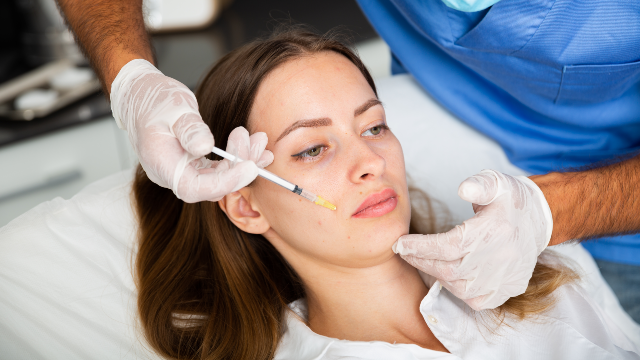
Understanding Facelift Surgery in Seoul: Why American Patients Choose Korea
What Is a Facelift? Beyond the Basics
A facelift formally known as a rhytidectomy is a surgical procedure designed to address the signs of facial aging by repositioning facial tissues, removing excess skin and restoring definition to the jawline, cheeks and neck. Unlike non-surgical treatments that address surface-level aging (Botox, fillers), facelift surgery corrects the structural changes that occur as skin loses elasticity with age sagging jowls, loose neck skin, loss of facial volume and the characteristic tired appearance of the lower face and eye area.
The procedure targets the SMAS layer (superficial musculoaponeurotic system) a network of muscles and fascia beneath the skin. By tightening this layer, surgeons can achieve results that last 10+ years, far longer than any non-surgical alternative. Modern facelift techniques have evolved dramatically today's approaches emphasize natural results and harmony with your unique facial features, rejecting the pulled or windswept aesthetic that defined older surgical approaches.
At 47, if you're considering a facelift Seoul, you're entering an optimal window. Your skin still has adequate elasticity to respond beautifully to surgical lifting, and starting the process now rather than waiting until 55 or 60 allows you to enjoy superior long-term results and avoid the need for more aggressive interventions later.
A modern facelift is not about creating a dramatically different face it's about restoring your face to the version of itself that still exists but has been obscured by the natural effects of aging. We're removing the veil of sagging skin and tissue descent that makes you look tired and revealing the vitality that's still there underneath. The goal is for people to say 'You look amazing not 'You had work done.
Facelift Surgery in South Korea vs. United States: A Philosophical Difference
American Facelift Surgery, particularly in cosmetic-heavy markets like Beverly Hills and New York, has historically emphasized dramatic transformation. This approach often results in the overly lifted appearance that many patients now actively try to avoid the tight jawline, the pulled temples, the slightly unnatural eye position.
Korean facelift philosophy, cultivated over decades in Seoul's intensely competitive aesthetic market, prioritizes something different harmony, balance and natural restoration. Korean surgeons operate in a culture where subtlety, proportion and avoiding obvious signs of surgery are paramount values. This cultural aesthetic has trained multiple generations of Korean surgeons to think about facial rejuvenation not as fixing problems but as restoring proportion and vitality.
Additionally, Korean surgeons have adopted and refined advanced techniques like the high SMAS approach and vector-based facelift strategies that distribute lifting forces more naturally across the face, resulting in outcomes that look like rested, healthy aging not surgical intervention. For American patients, this philosophy is revelatory you get access to world-class technical skill plus a surgical aesthetic that aligns with contemporary beauty standards natural, undone, timeless.
Why Seoul Has Become the World Capital of Facial Rejuvenation
Seoul's Gangnam district is home to over 800 plastic surgery clinics a density that exists nowhere else in the world. This concentration has created a hyper-competitive market where only surgeons who deliver consistently exceptional results survive. Unlike many US markets where a surgeon can build a successful practice on marketing and reputation, Seoul's market demands excellence because patients are making real-time comparisons across dozens of options.
Korea's cultural emphasis on appearance and beauty has driven innovation. Korean surgeons were early adopters and refiners of minimally invasive lifting techniques, regenerative skin treatments (Rejuran, Onda, etc.) and non-surgical aesthetic technologies. This innovation ecosystem means that cutting-edge techniques are not novel research but standard practice.
Finally, the high volume of procedures performed in Seoul with top clinics like Sinsang performing 1,800+ surgeries annually creates a volume expertise advantage. Your surgeon has performed facelift surgery not dozens or hundreds of times, but thousands of times, refining technique, developing intuition about tissue behavior and mastering edge cases.
The Complete Cost Picture: Facelift Surgery in Seoul vs. New York
Surgery Price Breakdown: Seoul vs. New York
New York Facelift Costs (Beverly Hills-equivalent surgeon):
- Surgical fee: $28,000–$42,000
- Anesthesia: $2,000–$3,500
- Surgical facility: $5,000–$8,000
- Consultations: $500–$1,500
- Post-op follow-ups: $1,000–$2,000
- Total surgical costs: $36,500–$57,000 Seoul Facelift Costs at Sinsang (Comparable surgeon tier):
- Surgical fee: $9,500–$12,500
- Anesthesia: $800–$1,200
- Surgical facility (hospital-grade): $2,000–$3,000
- Consultations (in-person in Seoul): Included
- Post-op follow-ups (in-person in Seoul): Included
- Total surgical costs: $12,300–$16,700
The cost difference is not a sign of lower quality. It reflects structural economic differences lower labor costs in Korea, lower facility overhead in Seoul (despite world-class standards) and the efficiencies of high-volume surgical centers. A top-tier Seoul surgeon performing 1,800+ procedures annually operates with different economic dynamics than a Beverly Hills surgeon performing 200–300 procedures annually. Neither difference reflects quality it reflects scale and location economics.
Additionally, Korea's government regulates healthcare costs more tightly than the US, preventing the price inflation common in American cosmetic surgery. The bottom line you're paying 60–70% less for facelift surgery in Seoul from a surgeon with equal or superior credentials and training, operating in a healthcare system with equal or superior standards.
Cost Category | New York | Seoul (Sinsang) | Savings |
|---|---|---|---|
Surgeon + Anesthesia + Facility | $35,500–$53,500 | $12,300–$16,700 | 63–71% savings |
Pre-op consultations | $500–$1,500 | Included | $500–$1,500 savings |
Post-op follow-ups (2–3 visits) | $1,000–$2,000 | Included | $1,000–$2,000 savings |
Surgical Total | $37,000–$57,000 | $12,300–$16,700 | $20,700–$40,300 savings |
The True Total Cost: Your Complete Investment
The surgery cost is only part of the equation. As a professional who needs to plan time off, arrange accommodation and budget for travel, you need to understand the complete financial picture.
Complete Cost Breakdown for a 14-Day Seoul Facelift Trip (based on realistic planning):
Travel:
- Business class round-trip flight NYC to Seoul: $4,500–$6,500
- Airport transfers in Seoul (both ends): $200–$300
Accommodation:
- 4 nights pre-op recovery hotel (standard luxury, Gangnam): $800–$1,200
- 10 nights post-op recovery accommodation (premium serviced apartment or recovery suite): $2,500–$4,000
- Total accommodation: $3,300–$5,200
Meals & Incidentals:
- 14 days meals (conservative estimate): $700–$1,000
- Transportation in Seoul (taxis, Uber): $300–$400
- Medications, post-op supplies: $200–$300
- Total meals & incidentals: $1,200–$1,700
Medical:
- Facelift surgery + anesthesia + facility: $12,300–$16,700
- Virtual follow-up appointments (3 post-return): Included with Sinsang
- Post-op drainage kit & materials shipped to US: Included
Time Off Work:
- 14 days (conservative; most professionals need 12–16 days) Depending on your salary structure, $5,000–$10,000+ in opportunity cost COMPLETE TRUE TOTAL COST: $27,100–$45,100 (including time off)
Compared to a New York facelift that costs $37,000–$57,000 for surgery alone (plus time off), your total investment in a world-class Seoul facelift, including all expenses, is comparable to or less than a US facelift. You gain the significant advantage of accessing a superior surgical aesthetic and the unparalleled expertise of Seoul's top surgeons.
When patients realize that they can have access to one of the world's best facelift experiences the surgery, the technique, the aftercare support at a price comparable to American surgery, that often becomes the final convincing factor. But I want to emphasize cost efficiency is not why you should choose Seoul. You should choose Seoul for the surgical excellence. The cost advantage is simply a bonus you receive from that decision.
Recovery Timeline for Working Professionals: When Can You Return to Your Life?
Recovery Week-by-Week: What to Expect Visually and Functionally
Days 1–3: The Immediate Post-Op Phase Expect significant swelling, bruising, and tightness. Your face will feel swollen, your eyes may be nearly closed and you'll have drainage tubes that your surgeon will remove within 24–48 hours. Pain is typically mild to moderate (managed by prescribed medication), but the sensation of tightness is pronounced. You cannot eat solid foods (soft foods and liquids only). You should not fly yet you're still in the immediate recovery window and risk of complications is highest during this period. Take this time to rest, elevate your head and apply ice as instructed.Week 1: Visible Swelling, Limited Activity Drainage tubes are removed. Swelling peaks around day 3–5 and remains significant through day 7. You might not recognize yourself in the mirror this is completely normal and temporary. Most of the swelling will begin to subside starting day 7–8. Bruising is visible and extensive. You can move around gently, but strenuous activity remains prohibited. Many patients are comfortable starting light walks by day 7. You can shower, being careful around the incisions. Pain is minimal tightness is the dominant sensation. You are not ready for video calls or public-facing work yet. Makeup can begin to be applied very carefully around day 5–7 to cover bruising.Week 2: Visible Improvement, Return-to-Work Preparation Swelling has reduced significantly (approximately 60% resolved). Bruising remains visible but can be covered with makeup. You can begin gentle facial expressions. Most patients feel ready to return to light work activities by the end of week 2 specifically, video calls and desktop work where you're in control of the camera angle and lighting. You can resume light exercise (walking, stationary bike) but nothing involving heart-rate elevation or heat. Incisions are healing well. Pain is minimal or absent.Week 3–4: The Return-to-Public Phase Approximately 80% of swelling is resolved by week 4. Residual swelling is subtle and often only noticeable to you. Bruising is largely gone or easily covered with makeup. You can comfortably return to in-person board meetings, client presentations and public-facing work by week 3–4. Your appearance will be slightly swollen still, but it will read as you look rested and healthy rather than you've had surgery. Incisions are fully healing. You can resume normal exercise, heat exposure and social activities.Week 5–12: Progressive Refinement
Swelling continues to gradually decrease through week 8–12. Final results are not visible until approximately 3–4 months post-op. The incision scars are still red and visible but will continue to fade over months. By 6 months, scars are typically pale and significantly less noticeable.
Phase | Swelling Level | Bruising | Work Readiness | Activity Level |
|---|---|---|---|---|
Days 1–3 | 100% | Severe | No | Complete rest, elevation |
Week 1 | 90% | Extensive | No | Light walking only |
Week 2 | 60% | Visible | Limited (video calls) | Light exercise OK |
Week 3–4 | 15–20% | Minimal | Full | Normal exercise |
Months 2–3 | 5% | Nearly invisible | Full + Normal | Full activity |
Months 3–6+ | 0% | Gone | Stable | All activities |
Professional Timeline: A Specific Guide for Executive Return-to-Work
For professionals like you who manage high-stakes meetings, video presentations and client-facing work, here's the specific timeline:
Video Calls (Return: Days 7–10) By the end of week 1, you can tolerate video calls if you control the lighting and camera angle. Position your camera slightly above eye level to minimize the appearance of residual swelling under your eyes. Use professional makeup starting day 7. Your appearance will read as healthy and rested rather than postoperative.In-Person Board Meetings & Presentations (Return: Week 3–4)
By week 3, you're comfortable being in the room with colleagues and clients. Your face may still have subtle swelling, but it's minimal and will read as you look great rather than obviously postoperative. Scars are internal and not visible to casual observation.
Many professionals delay their return a few extra days simply for psychological comfort, not medical necessity. If you prefer to have absolutely zero visible swelling, plan for 4–5 weeks off work. If you're comfortable with the rested and healthy appearance of week 3, you can return earlier.
Managing Complications: Safety Protocols and Remote Aftercare
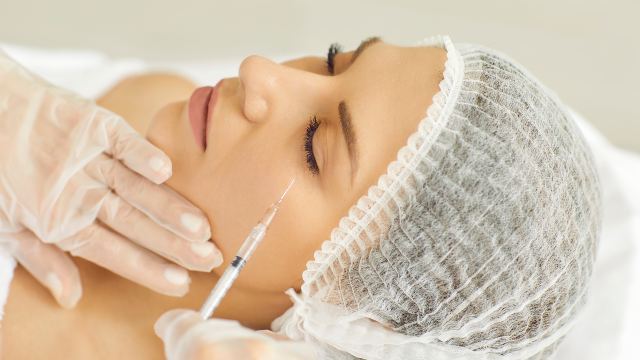
Facelift Surgery Risks: Realistic Complications and Prevention
All surgery carries inherent risk. Facelift surgery, like any surgical procedure, has potential complications. However, the complication rate at world-class clinics like Sinsang is significantly lower than the general surgical population, owing to surgeon expertise, modern techniques and rigorous safety protocols.
Common (But Usually Minor) Complications:
Temporary nerve sensitivity (80% of patients experience mild, temporary sensory changes): This typically resolves within 3–6 months as nerves recover from surgical trauma. Permanent nerve damage is rare (< 1% at experienced surgeons).Hematoma/Seroma (fluid collection): Occurs in approximately 2–5% of cases. Usually managed with a simple drainage procedure performed in-office. Not a major complication but requires monitoring.Infection (0.5–2% incidence): Managed with antibiotics and, if necessary, minor drainage. Extremely rare at accredited hospitals using sterile protocols.Hair loss around incisions (temporary): Occurs due to disruption of hair follicles during surgery. Hair typically regrows within 3–6 months.Visible scarring (rare if proper technique used): Scars fade dramatically over 6–12 months. Sinsang surgeons place incisions strategically to minimize visibility (hairline, natural creases).Asymmetry (rare at experienced surgeons): Modern facelift techniques and computer-assisted planning have made significant asymmetry uncommon.Serious complications (hematoma requiring emergency drainage, major nerve damage, severe infection): These are rare (< 1%) at accredited facilities with experienced surgeons.
How Sinsang Minimizes Risk:
Surgeon expertise: Each of Sinsang's six surgeons has performed 1,000–2,000+ facelifts
Accreditation: Surgical facility meets Korean government standards equivalent to US Joint Commission accreditation
Anesthesia safety: Board-certified anesthesiologists present during all procedures
Pre-operative medical screening: Comprehensive blood work, imaging, and medical history evaluation
Sterile protocols: Hospital-grade sterilization and infection prevention
Post-operative monitoring: Daily check-ins with nursing staff for first 5–7 days post-op
Complications in facelift surgery are exceptionally rare when the procedure is performed by an experienced, board-certified surgeon at a properly equipped facility. I've performed over 2,000 facelifts in my career and the vast majority result in excellent outcomes with minimal complications. That said, being transparent about realistic risks is part of informed consent. Any surgeon who tells you surgery is completely risk-free is not being truthful. What we do is minimize risk through expertise and strict protocols.
International Patient Aftercare: Remote Complications Management
The reality is: you will be back in New York within 12–14 days of surgery. If a complication develops during your Seoul recovery, it will be managed there by Sinsang's experienced team. If a complication develops after you return home, Sinsang provides comprehensive remote support.
Sinsang's International Patient Aftercare Protocol:
In-Seoul Monitoring (Days 0–12):
- Daily post-operative check-in with nursing staff
- In-person surgical follow-up at day 3 (drain removal and assessment)
- In-person follow-up at day 7 (suture assessment)
- In-person follow-up at day 10–12 (pre-flight clearance)
- 24-hour emergency contact available
Post-Return Remote Support (Months 1–12):
- Virtual follow-up video consultation at week 2 (post-return)
- Virtual follow-up at week 6
- Virtual follow-up at month 3
- Virtual follow-up at month 6
- Virtual follow-up at month 12
- Unlimited email/WhatsApp consultation for questions or concerns
- If complications arise, Sinsang's surgeon can coordinate with your local NYC plastic surgeon or provide guidance for your primary care physician
Coordination with US Physicians: Sinsang provides you with comprehensive surgical records in English, including detailed operative notes, photographic documentation, specific suture types and material used, post-operative instructions and surgeon's assessment. You can share these records with your local doctor to ensure continuity of care.If Serious Complications Require In-Person Attention:
Most complications that require in-person intervention are minor (drainage of small fluid collection, minor infection management). These can typically be handled by any plastic surgeon in New York under Sinsang's phone consultation guidance. For revision surgery (if needed), Sinsang's policy covers revision procedures for any patient within 12 months post-op, either in Seoul or in rare cases, by a coordinating US surgeon.
Results and What Natural Really Means
Natural vs. Overdone: Understanding the Aesthetic Philosophy
One of the deepest fears many patients share is ending up looking done that telltale surgical appearance with an overly tight jawline, pulled temples or unnatural eye position. This fear is rooted in real examples facelifts performed with outdated techniques or by surgeons who prioritize dramatic transformation over subtle restoration often result in that exaggerated appearance.
What Makes a Facelift Look Overdone?-Overly tight jawline: The jaw appears artificially contoured, with excessive definition that looks surgical rather than natural
- Pulled temples: The outer corners of the eyes appear lifted unnaturally high
- Loss of facial expression: The face looks immobilized, with limited ability to show emotion
- Unnatural eye position: Eyes appear slightly asymmetrical or in a position that doesn't harmonize with the rest of the face
- Visible scars: Incisions are prominent, red or poorly placed
- Asymmetry: One side of the face appears lifted more than the other What Makes a Facelift Look Natural?-Subtle jawline definition: The jaw is refined and contoured, but the refinement looks like the result of good genetics and health, not surgery
- Harmonious eye position: Eyes appear more open and rested, but in proportion to the rest of the face
- Full facial expression: The face maintains normal animation and expression
- Restored volume and contour: The face looks like a rested, healthier version of your previous self not like a different person
- Well-hidden scars: Incisions are placed in natural creases or the hairline and are barely visible within weeks
- Symmetry and balance: Both sides of the face are lifted proportionally
Sinsang's surgeons operate from a principle of restoration, not reconstruction. The goal is not to transform you into someone else or to achieve a 24-year-old appearance. The goal is to remove the visual weight of aging the sagging skin, the descended fat pads, the loss of definition and restore the version of your face that exists underneath the aging process.
This philosophy aligns perfectly with contemporary beauty standards, particularly in professional American contexts where dramatic or obvious cosmetic surgery is seen as a liability rather than an asset. You want to look like yourself at your best, not like a surgical transformation.
Before and After Gallery: Real Results on Patients Like You
The most convincing evidence of natural facelift results is visual proof. Sinsang's before/after gallery features American patients in your age range (45–55) with similar aging concerns jowling, neck laxity, under-eye hollowing and loss of definition.
What's remarkable about these galleries is consistency not one or two exceptional cases, but dozens of patients with reliably natural, harmonious results. This consistency reflects the surgeon expertise and aesthetic philosophy that defines Sinsang's practice.
Before/After Galleries Featured in This Article:
Gallery 1: American women, ages 45–52, primary concern: jowling and jawline definition
Gallery 2: American women, ages 50–58, primary concern: neck laxity and double chin
Gallery 3: American women, ages 47–55, with facelift combined with lower eyelid fat repositioning
Gallery 4: Real-world results: 1-year, 2-year, and 5-year post-op photos showing durability
In every before/after pair, the patient looks like themselves just rested, defined and restored. This is the hallmark of Sinsang's surgical results.
When I consult with a patient, I'm not looking to convince them to have dramatic surgery. I'm looking at their face and asking what is the minimal intervention that will give them the maximum improvement in how rested and defined they look? For most patients in their late 40s and 50s, that means a strategic facelift combined, potentially, with lower eyelid fat repositioning and neck contouring. The surgery is designed to look like you haven't had surgery it should look like great health and excellent sleep.
Timeline to Final Results: When Will You See Your New Face?
Facelift results unfold progressively over months. Understanding this timeline is crucial so you're not alarmed by the changes you see (or don't see) in the immediate weeks post-op.
Week 1–2: Face is swollen; you cannot accurately assess final results yet.Week 4: Approximately 80% of swelling has resolved. You begin to see the outline of your results. Many patients are pleasantly surprised at this stage.Month 2–3: Approximately 95% of swelling is gone. This is when most patients see their final results. Any remaining swelling is minimal and unnoticeable to others.Month 6: Incision scars have faded dramatically. Your face has fully settled into its new contours.Month 12: Final results are stable and will remain consistent for 10+ years (barring additional aging).
Don't make final judgment of your facelift results before month 3. Trust the process during the swelling phase.
Combining Facelift with Regenerative Treatments: The Comprehensive Approach
Facelift Plus Regenerative Treatments: Why This Combination Works
While facelift surgery addresses structural aging loose skin, sagging tissues, loss of facial contour it does not address skin quality aging fine lines, surface texture, loss of skin radiance, collagen depletion.
Regenerative treatments like Rejuran Healer (a polynucleotide treatment that stimulates collagen production) and Ultherapy Prime (ultrasound energy that tightens deep skin layers) work synergistically with facelift surgery to create comprehensive facial restoration.
The Synergy:
Facelift surgery: Reposition tissues, define contours, restore structure
Rejuran Healer: Stimulates neocollagenesis (new collagen production) for improved skin quality, texture and radiance
Ultherapy Prime: Provides non-invasive tissue tightening at depth can be used as a complement to surgical lifting or as maintenance treatment post-op
Thermage FLX: Collagen remodeling treatment that tightens and improves skin texture
When combined, these treatments create comprehensive facial restoration that addresses both structural aging and skin quality aging. The result is not just better contours it's better skin quality, more radiance and a more youthful appearance across every dimension.
Studies show that patients who combine surgical facelift with regenerative skin treatments report higher satisfaction and longer-lasting results than surgery alone. The regenerative treatments support the surgical results by improving the quality of the remaining skin and supporting collagen maintenance.
Timing:
Most commonly, facelift surgery is performed first, and regenerative treatments (Rejuran, Ultherapy, Thermage) are added 2–4 weeks post-op once initial swelling has resolved. Some patients prefer a staged approach: facelift in month 1, regenerative treatments in month 2–3. Others prefer a comprehensive program: facelift + immediate (post-op week 2) regenerative protocol.
Sinsang's Comprehensive Facial Restoration Program: What's Included
Sinsang offers a comprehensive international patient program that combines facelift surgery with your choice of regenerative treatments.
Standard Program:
- Facelift surgery with board-certified surgeon (your choice of mini or full facelift based on consultation)
- Lower eyelid fat repositioning (if needed)
- Ultherapy Prime treatment (tightening and skin quality) performed 2 weeks post-op
- Rejuran Healer series (3 treatments over 4 weeks) for collagen stimulation
- Post-op support and virtual follow-ups for 12 months
Premium Program:
- Everything in Standard Program, plus:
- Thermage FLX treatment (deep collagen remodeling)
- Advanced skincare regimen customized to your post-op protocol
- Private recovery nursing if desired
Cost: Comprehensive programs range from $16,000–$22,000 (all-inclusive, all treatments)
Why Choose Sinsang for Your Seoul Facelift: Credentials, Philosophy and Results
Meet Sinsang's Surgeons: World-Class Credentials and Expertise
Sinsang is led by six board-certified plastic surgeons, each with 10–15+ years of clinical experience in aesthetic and reconstructive surgery. Each surgeon specializes in facial rejuvenation and maintains rigorous standards for patient selection and surgical technique.
Dr. Young-Jae Lee Director
- MD from Korea University Medical School
- Plastic surgery residency: Samsung Medical Center (one of Asia's top training programs)
- Adjunct professor: Sungkyunkwan University College of Medicine
- 15+ years clinical experience
- Specializations: Anti-aging facial surgery, fat grafting, stem cell-based facial rejuvenation
- Annual volume: 200+ facelift procedures
Dr. Soo-Hwan Kim Director
- Board-certified plastic surgeon, Korean Society of Plastic and Reconstructive Surgeons
- Plastic surgery residency: Samsung Medical Center
- Active member: Korean Society of Plastic Surgery, Korean Society for Aesthetic Plastic Surgery
- 15+ years clinical experience
- Specializations: Facial contouring, eye and nose surgery, craniofacial reconstruction
- Annual volume: 180+ facelift procedures
Dr. Jae-Hee Kim
- Board-certified plastic surgeon
- Specializations: Facial rejuvenation, rhinoplasty, chin augmentation, under-eye fat repositioning
- 12+ years clinical experience
- Focus: Natural facial balance and contour improvement
- Annual volume: 150+ facelift procedures
Dr. Il-Seok Lee
- Board-certified plastic surgeon
- Specializations: Facial rejuvenation, body contouring, anti-aging procedures
- 10+ years clinical experience
- Focus: Advanced anti-aging and personalized contour correction
- Annual volume: 140+ facelift procedures
Dr. Ho-Jun Kim
- Board-certified plastic surgeon, Korean Society of Plastic Surgery
- Specializations: Balanced, natural-looking aesthetic outcomes in eye, nose and facial contouring
- 10+ years clinical experience
- Active member: Korean Society of Aesthetic Plastic Surgery
Dr. Pil-Sun Eo Director
- Ph.D. in Medicine, Kyungpook National University
- Plastic surgery residency and fellowship: Kyungpook National University Hospital
- 15+ years clinical experience
- Specializations: Craniofacial reconstruction, facial rejuvenation, precise aesthetic outcomes
Collectively:
- 85+ years of combined surgical experience
- 1,800+ surgeries performed annually across all procedures
- 900+ facelift procedures per year (clinic-wide)
- 100% board certification rate
- Zero disciplinary actions or malpractice claims (verified through Korean Medical Association)
At Sinsang, every surgeon on our team is board-certified, trained at the highest level and maintains a deep commitment to continuous learning and technique refinement. We share a philosophy surgical excellence is not about ego or dramatic transformation it's about precision, aesthetic harmony and serving the patient's best interests. When you choose Sinsang, you're not choosing one surgeon you're choosing access to a collective of world-class practitioners.
Sinsang's Surgical Philosophy: Personalized Harmony Over Templates
What distinguishes Sinsang from many other clinics is a fundamental commitment to personalized surgery, not template-based surgery.
Many clinics apply the same surgical approach to every patient standardized incision placement, standardized lift vectors, standardized expectations. This approach is efficient but often results in outcomes that look similar across patients sometimes strikingly so.
Sinsang's philosophy begins with detailed analysis of your unique facial anatomy your specific aging pattern (is jowling more pronounced on one side? Does looseness concentrate in the neck or mid-face?), your ethnic and facial features (proportions that reflect your heritage and should be preserved), your personal aesthetic goals do you want dramatic change or subtle refinement? what does natural mean to you? and your skin quality and elasticity which affects surgical approach and the need for adjunctive treatments.
Based on this analysis, each surgeon designs a customized surgical plan that is specific to you. This approach takes longer in the planning phase but results in outcomes that look like the best version of you not like you've had a standardized procedure.
International Patient Support at Sinsang: From Consultation to Long-Term Care
Sinsang has treated over 2,000 international patients from the United States, Canada, Europe and Australia. This experience has allowed us to develop a comprehensive international patient program:
- Dedicated English-speaking patient coordinator assigned to you from initial contact through 12-month follow-up
- Virtual pre-op consultation via Zoom to discuss your goals, medical history, and specific concerns before you travel
- Airport welcome service your coordinator meets you at Incheon International Airport and arranges private transfer to your hotel
- In-person surgical consultation 2 days before surgery for final planning and photographic documentation
- Hospital-grade surgical facility with English-speaking anesthesia team
- Post-op support team available 24/7 during your Seoul stay
- Accommodation partnerships with luxury recovery-focused hotels and serviced apartments in Gangnam
- Virtual follow-up protocol scheduled video consultations at weeks 2, 6, 3 months, 6 months and 12 months post-op
- Coordination with your US physician Sinsang provides comprehensive surgical records to your local doctor
How to Book Your Facelift Surgery at Sinsang: Step-by-Step for US Patients

Step 1 – Initial Consultation
Method 1: Virtual Consultation (Recommended for First Consultation) Contact Sinsang via email, WhatsApp, or the website form. Request a virtual consultation. Sinsang's English-speaking patient coordinator will schedule a Zoom call with a surgeon (typically within 24–48 hours).What to Prepare:
- Clear photos of your face (frontal, profile, angled views) taken in natural light
- List of your primary concerns (jowling, neck, under-eyes, etc.)
- Your medical history (any surgeries, health conditions, medications, allergies)
- Any questions you want to ask
During the Consultation:
- The surgeon will assess your facial anatomy and discuss your goals
- The surgeon will explain your customized surgical plan
- You'll discuss realistic expectations, recovery timeline and pricing
- You'll have the opportunity to ask any questions
Time commitment: Approximately 45–60 minutes |Cost: Free (no consultation fee)
Step 2 – Treatment Planning and Booking
After your consultation, Sinsang sends you:
- Detailed treatment plan (customized surgical approach specific to you)
- Photographic analysis showing proposed changes
- Complete pricing breakdown (surgery, anesthesia, facility, all-inclusive cost)
- Recovery timeline customized for your professional schedule
- Medical history questionnaire and informed consent documents
Next Steps:
- Review all materials carefully
- Ask any remaining questions via email or WhatsApp
- If you're ready to proceed, sign the informed consent documents electronically
- Pay a deposit to secure your surgery date (typically 30–50% of total cost; non-refundable but can be rescheduled)
Most patients book surgery 4–12 weeks in advance, allowing time for planning and preparation. Payment Methods: Wire transfer, credit card, international bank transfer. USD pricing is available.
Step 3 – Pre-Surgery Preparation and Travel Planning
Once your surgery date is confirmed, Sinsang provides:
- Detailed pre-surgery preparation protocol (4 weeks before surgery)
- Medical clearance requirements
- Medication/supplement guidelines (what to avoid before surgery)
- Packing list and accommodation recommendations
- Virtual pre-op consultation with your surgeon 2 weeks before travel
You arrange:
- Business class flights from New York to Seoul (typically 14–16 hours)
- Hotel accommodation for pre-op (3–4 nights) and post-op recovery (10–12 nights)
- Time off work (3–4 weeks recommended)
- Aftercare support plan for when you return to New York
Contact Sinsang Plastic and Reconstructive Surgery
📞 Phone: +1 201-940-3238 (WhatsApp)
📱 WhatsApp: Click Here
📧 Email: Online Consultation
🌐 Website: /
📍 Location: Gangnam-gu, Seoul, South Korea Hours: The clinic operates Monday through Thursday from 10:00am to 7:00pm, Friday from 10:00am to 9:00pm and Saturday from 10:00am to 5:00pm. The clinic is closed on Sunday.
Frequently Asked Questions
1. How Long Do Facelift Results Last? Facelift results are permanent in the sense that the structural changes made during surgery do not reverse. However, aging continues. Most patients enjoy excellent facelift results for 10–15 years. Some studies show results lasting 15–20 years. After that time, a revision or lighter maintenance procedure might be considered. The key is that your face will continue to age naturally you won't develop the same degree of jowling or neck laxity as before surgery because the structural support has been restored.2. Can I Combine Rhinoplasty And Facelift In The Same Surgery Session? Yes. Many patients opt for combined procedures facelift + rhinoplasty, or facelift + lower eyelid fat repositioning to achieve comprehensive facial rejuvenation in one surgery. Recovery is similar to a standalone facelift. Combined procedures are often more cost-efficient than separate surgeries.3. Is There An Age That's Too Young For A Facelift? At 47, you're in an ideal age range for facelift surgery. Most surgeons recommend considering facelift when non-surgical options no longer adequately address your concerns typically in your mid-40s to 50s. Waiting too long can result in more aggressive aging and need for more extensive surgery later. Starting earlier (when skin still has good elasticity) often yields superior long-term results.4. What's The Difference Between A Mini Facelift And A Full Facelift?
Mini facelift: Addresses mild to moderate jowling and jawline definition shorter incisions shorter recovery results are typically more subtle. Good for patients 45–52 with mild-to-moderate aging.
Full facelift: Addresses significant jowling, neck laxity, significant mid-face descent longer incisions slightly longer recovery; results are more dramatic. Better for patients 55+ with more advanced aging.
Your choice depends on your specific aging pattern (assessed in consultation) and your aesthetic goals. Both approaches prioritize natural results at Sinsang.
5. Will People Know I Had A Facelift? This depends on your results and your social circle. If you choose a skilled surgeon who prioritizes natural results (like those at Sinsang), most people will simply think you look great and well-rested they won't necessarily attribute this to surgery. Some people may suspect, but well-executed facelift results are not obviously surgical. The overdone appearance that makes surgery obvious is the result of poor technique or prioritizing dramatic change over naturalness.6. Can I Have a Facelift if I'm A Smoker? Smoking significantly impairs wound healing and increases complication risk. Most surgeons require patients to quit smoking at least 2–4 weeks before surgery and continue abstinence for 2–4 weeks post-op. This is not a disqualification; it's a requirement for optimal safety and results.7. What if I Need A Revision Because I'm Not Happy With Results? Sinsang's revision policy covers any revision surgery needed due to unsatisfactory results within 12 months of your initial procedure. Revision surgery is typically included in your initial program at no additional cost if performed at Sinsang. If you choose revision at another clinic, that cost is your responsibility.8. Can I Exercise After Facelift Surgery? No strenuous exercise for 3–4 weeks post-op. Light walking can begin by week 1. Moderate exercise (yoga, cycling, gym) can resume at week 4. Strenuous exercise (running, heavy weights, high-intensity workouts) should wait until week 5–6. Heat exposure (saunas, hot baths) should be avoided for 2–3 weeks.9. How Much Should I Budget For Time Off Work? 3–4 weeks is ideal. You can return to video calls and light desktop work by week 2, but full in-person professional engagement is best by week 3–4. Some professionals take extra time simply for psychological comfort this is not medically necessary but can help you feel more confident during your return.10. Will Facelift Surgery Leave Visible Scars?
Incisions are strategically placed in natural creases and hairlines to minimize visibility. Scars are typically not visible once healed (3–6 months), especially if covered by hair. Some residual scarring may be subtle but generally fades dramatically over a year. Modern surgical techniques minimize scarring significantly compared to older facelift approaches.
Conclusion
The decision to undergo facelift surgery is deeply personal, but for many professional women in their mid-40s to 50s, it represents a strategic investment in alignment between your internal vitality and external presentation. Seoul has emerged as the world capital of facial rejuvenation not because it offers cheaper surgery, but because it represents genuine world-class expertise developed through decades of surgical innovation and perfected by surgeons like those at Sinsang who perform thousands of procedures annually. The combination of superior surgical expertise, natural aesthetic philosophy, comprehensive international patient support and cost efficiency makes Seoul an exceptionally compelling choice for American patients seeking facelift surgery.
You can trust Sinsang's credentials the surgeons are board-certified, trained at Asia's premier surgical institutions and verified through the Korean Medical Association. The clinic's 1,800+ annual surgical volume, combined with a 95%+ patient satisfaction rate and minimal complication incidence, provides evidence-based reassurance that you're choosing a genuinely exceptional provider. Thousands of American patients have made this journey and report that the decision transformed not just how they look, but how they feel and show up in their professional and personal lives.
If you're ready to explore whether facelift surgery at Sinsang is right for you, your next step is simple. Schedule a free virtual consultation with one of our surgeons Today. This 45-minute consultation allows you to discuss your goals, ask any questions and receive a customized treatment plan specific to your anatomy and aesthetic priorities with no obligation. We're available via WhatsApp, email or phone to answer preliminary questions or begin the consultation booking process immediately.
About the Authors
Dr. Young-Jae Lee, MDDirector of Sinsang Plastic and Reconstructive Surgery with over 15 years of clinical experience, having performed more than 2,000 rhinoplasty procedures. Serves as an Adjunct Professor at Sungkyunkwan University College of Medicine. Specializes in ethnic rhinoplasty, revision rhinoplasty and facial rejuvenation. Board-certified by the Korean Board of Plastic Surgery and a member of the Korean Society of Plastic and Reconstructive Surgeons. Internationally recognized as an expert in ethnic rhinoplasty and complex revision cases.For consultations: |+1 201-940-3238 (WhatsApp)|Online Consultation| WhatsApp
Clinical Guidance & Recovery Considerations
All surgical and non-surgical treatments carry potential risks such as temporary swelling, bruising, asymmetry, or infection depending on individual anatomy. Detailed indications and personalized recovery expectations are confirmed during in-person ultrasonic evaluation with a Sinsang board-certified specialist.
Patient Concierge
Gangnam Station / Sinsa Area · 150 Dosan-daero 5F–6F, Seoul
Mon–Thu 10:00–19:00 · Fri 10:00–21:00 · Sat 10:00–17:00
Online Inquiry Form →WhatsApp (+1 201-940-3238)LINE (@853akazy)CONTINUE EXPLORING
More Medical Insights

Rising Demand for Double Chin Revision Surgery: Korean Market Price Trends
Rising Demand for Double Chin Revision Surgery: Korean Market Price Trends
Explore →

What is fat grafting - Procedure, Uses, Types, Benefits, and Risks
What is fat grafting - Procedure, Uses, Types, Benefits, and Risks
Explore →

Why 9,000 Global Patients Chose Seoul for Specialized Neck Contouring Surgery
Why 9,000 Global Patients Chose Seoul for Specialized Neck Contouring Surgery
Explore →
INTERNATIONAL CONCIERGE · GANGNAM, SEOUL
Begin Your Personalized Surgical Plan With Sinsang Specialists
Share your goals online or connect directly via our official WhatsApp or LINE concierge for pre-travel assessment and scheduling.