

CLINICAL ARTICLE
Cost-Effective Aesthetic Ear Surgery: Korea vs Western Markets
Cost-Effective Aesthetic Ear Surgery: Korea vs Western Markets
The global demand for corrective and aesthetic ear surgery (otoplasty) has risen significantly, driven by a growing awareness of facial symmetry and developmental anomalies. In Western markets, such as the United States and the United Kingdom, the financial barrier for specialized craniofacial and aesthetic ear procedures remains high, frequently classifying these interventions as elective out-of-pocket expenses. Conversely, South Korea’s highly specialized plastic surgery ecosystem offers a distinct paradigm. According to domestic healthcare market reviews, Korea's refined operational efficiencies, high procedure volumes, and concentrated clinical expertise present a highly cost-effective alternative for international and local patients alike, often reducing overall financial outlays by 30% to 50% compared to Western private clinics.
For individuals exploring structural facial corrections, choosing the right surgical environment requires a clear understanding of both anatomical techniques and market economics. This insights report evaluates the comparative benchmarks, procedural costs, and structural methodologies between South Korea and Western healthcare markets. We examine how advanced, autologous tissue-driven protocols at specialized institutions like Sinsang Plastic and Reconstructive Surgery are reshaping patient outcomes and long-term value.
Why Choose Otoplasty and Ear Surgery in Korea? Cost, Results, and Global Trends
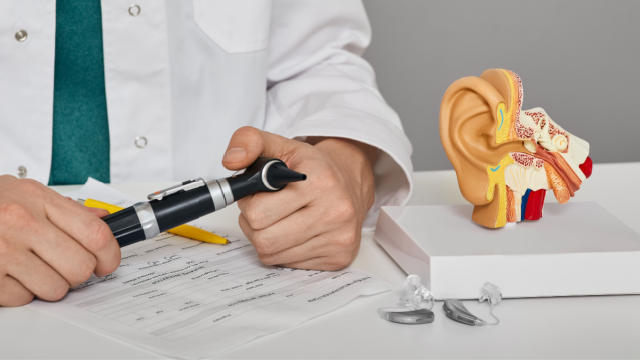
When evaluating ear surgery in Korea, international patients consistently prioritize the balance between structural safety and economic viability.
What factors drive the cost differences between Korea and the West?
The primary differentiator lies in infrastructure and specialized clinical volume. In Western markets, a lack of specialized aesthetic ear surgeons often drives up private fees, with comprehensive operating room, anesthesia, and surgeon costs accumulating significantly. In South Korea, a highly competitive and advanced medical tourism infrastructure streamlines these costs without compromising safety metrics.
How do clinical outcomes compare internationally?
Western approaches to otoplasty traditionally rely heavily on standard permanent suturing techniques (such as the Mustardé or Furnas methods) to forcibly pin back ear cartilage. While effective for simple prominent ear corrections, these methods carry a higher long-term relapse and suture extrusion rate when applied to complex structural defects. Korean craniofacial specialists lean heavily toward structural cartilage remodeling and autologous tissue engineering, which optimizes natural facial harmony and minimizes long-term structural failure.
Current Standard Ear Surgery Approaches and Market Limitations
Standard corrective ear surgeries globally have relied on mechanical modification of the ear framework. While functional, conventional pathways exhibit clear limitations regarding long-term structural tissue stability and lifetime costs.
Main Treatment Options in Conventional Ear Surgery
- Traditional Suture-Only Otoplasty: Relies on non-absorbable sutures to reshape the antihelical fold.
- Cartilage Scoring / Excision: Physically cutting or thinning the ear cartilage to force a bend or reduce projection.
- Synthetic Structural Implants: Utilizing foreign materials (such as Medpor or silicone) to reconstruct missing ear architecture in severe microtia or trauma cases.
Key Pros and Cons of Standard Approaches
- Pros: Immediate alteration of the ear profile; short initial operating times; widely available across general plastic surgery practices.
- Cons: High risk of suture extrusion or palpable knots under thin ear skin; potential for an unnatural, "pinned-back" appearance; rigid contours that do not match natural cranial movement.
Common Patient Pain Points
- Recurrence and Relapse: Cartilage possesses natural "tissue memory." Standard suture-only methods show an estimated relapse rate of 5% to 12% over time as tissue tension pulls against the stitches.
- Chronic Discomfort and Sensitivity: Permanent synthetic materials or aggressive cartilage scoring can cause cold sensitivity, localized stiffness, and chronic skin erosion.
- Compounded Costs of Re-intervention: When a standard ear procedure fails or shifts, revision surgeries in Western markets frequently cost double the initial procedure due to scar tissue management.
Autologous Tissue Optimization: The Precision Approach to Ear Architecture
To overcome the boundaries of conventional cartilage forcing, advanced specialized clinics utilize Autologous Tissue Optimization. This method prioritizes the harvesting, sculpting, and integration of the patient’s own biological tissue—such as local conchal cartilage or nasal septal cartilage—to build or alter the ear's structural framework naturally.
How Autologous Tissue Optimization Works
Instead of simply pulling back the ear with tension-heavy threads, the surgeon meticulously evaluates the intrinsic elasticity and thickness of the patient's ear cartilage. By using microscopic, dual-support structural grafting, the cartilage is rearranged or supplemented using the body's own matching tissue. This eliminates foreign body responses and allows the newly shaped ear to heal as a single, living biological unit.
Is Autologous Tissue Optimization in Korea worth the cost?
Yes. While the upfront cost of an autologous tissue framework requires specialized surgical expertise, it drastically reduces the lifetime cost of care by lowering failure and revision rates to near zero. Patients secure a permanent, biologically stable result that avoids the long-term complications associated with synthetic implants or traditional suture degradation.
Data & Outcomes: Comparative Market Metrics
The economic and clinical value of undergoing specialized ear surgery can be measured across global healthcare metrics. Market reports within the Asia-Pacific aesthetic surgery sector indicate an 8.2% CAGR through 2030, largely propelled by structural and regenerative surgical innovations in South Korea.
The following data matrix outlines the qualitative and quantitative differences between standard Western pathways and advanced Korean autologous tissue protocols:
| Metric / Feature | Conventional Western Pathway (Suture/Synthetic) | Advanced Korean Pathway (Autologous Tissue Optimization) |
|---|---|---|
| Average Estimated Cost Range | $5,000 – $12,000 USD | $3,000 – $6,500 USD |
| Primary Structural Mechanism | Permanent synthetic sutures / En bloc excision | Autologous cartilage grafting & structural balancing |
| Acute Recovery Timeline | 10–14 days (Variable splinting) | 5–7 days (Rapid initial tissue setting) |
| Risk of Structural Relapse | Moderate (5%–12% due to cartilage memory) | Exceptionally low (Biologically integrated framework) |
| Long-Term Biocompatibility | Risk of suture extrusion or implant rejection | Absolute biocompatibility (Zero foreign body risk) |
| Surgical Customization | Often template-based / Standard angles | High-precision tailored anatomical harmony |
Local Korea Insights: High-Precision Aesthetics and Structural Standards
The development of sophisticated ear reconstruction and reshaping methodologies in South Korea is deeply connected to local patient expectations. The domestic demographic demands procedures that offer minimal downtime, rapid recovery, and an anti-factory approach that rejects generic, mass-produced facial templates.
Furthermore, South Korea’s stringent regulatory oversight by the Ministry of Food and Drug Safety ensures that surgical environments, sterile suites, and tissue-handling protocols match elite global safety standards. The combination of high domestic cosmetic standards and institutional efficiency allows specialized Korean clinics to maintain an exceptionally high success-to-volume ratio, making it a primary hub for complex craniofacial and auricular procedures.
Where Sinsang Plastic and Reconstructive Surgery Fits in Ear Surgery in Korea
Sinsang Plastic and Reconstructive Surgery addresses complex facial anatomy by rejecting standard, one-size-fits-all structural formulas. In the field of aesthetic and reconstructive ear surgery, the clinic specializes in adapting tissue architectures to the natural, individual facial proportions of each patient.
At Sinsang Plastic and Reconstructive Surgery, the Autologous Tissue Optimization protocol is integrated into a multi-phase care system. During the detailed in-person consultation and diagnostic evaluation phase, the surgical team maps out the patient's natural cartilage thickness and availability. Rather than applying synthetic materials, the clinic utilizes specialized structural tissue configurations to secure stable, long-lasting framework corrections.
The clinic’s medical leadership consists of board-certified plastic surgeons with elite academic backgrounds from institutional organizations like Samsung Seoul Hospital and Korea University Medical School. As active members of the Korean Society of Plastic and Reconstructive Surgeons, they implement evidence-based dual-support methods within a tiered clinical infrastructure. This specialized design separates counseling zones from highly sterile, dedicated surgical suites, maximizing patient safety and post-operative recovery tracking.
Conclusion
Corrective ear surgery should not be viewed merely as a brief aesthetic alteration, but as a long-term anatomical investment. While conventional Western markets often present high financial barriers and standard, high-tension suturing techniques, South Korea offers an optimized alternative combining advanced infrastructure with lower relative costs. By transitioning toward advanced methodologies like Autologous Tissue Optimization, patients achieve natural facial harmony and structural stability while mitigating the risks of relapse and costly revision surgeries.
Patients considering ear surgery in Korea can schedule a consultation with Sinsang Plastic and Reconstructive Surgery to discuss whether this customized, tissue-optimized approach may be suitable for their specific structural condition and long-term aesthetic goals.
Clinical Guidance & Recovery Considerations
All surgical and non-surgical treatments carry potential risks such as temporary swelling, bruising, asymmetry, or infection depending on individual anatomy. Detailed indications and personalized recovery expectations are confirmed during in-person ultrasonic evaluation with a Sinsang board-certified specialist.
Patient Concierge
Gangnam Station / Sinsa Area · 150 Dosan-daero 5F–6F, Seoul
Mon–Thu 10:00–19:00 · Fri 10:00–21:00 · Sat 10:00–17:00
Online Inquiry Form →WhatsApp (+1 201-940-3238)LINE (@853akazy)CONTINUE EXPLORING
More Medical Insights

Rising Demand for Double Chin Revision Surgery: Korean Market Price Trends
Rising Demand for Double Chin Revision Surgery: Korean Market Price Trends
Explore →

What is fat grafting - Procedure, Uses, Types, Benefits, and Risks
What is fat grafting - Procedure, Uses, Types, Benefits, and Risks
Explore →

Why 9,000 Global Patients Chose Seoul for Specialized Neck Contouring Surgery
Why 9,000 Global Patients Chose Seoul for Specialized Neck Contouring Surgery
Explore →
INTERNATIONAL CONCIERGE · GANGNAM, SEOUL
Begin Your Personalized Surgical Plan With Sinsang Specialists
Share your goals online or connect directly via our official WhatsApp or LINE concierge for pre-travel assessment and scheduling.