

CLINICAL ARTICLE
Can Hair Be Regrown Without Transplants? Experts Explain
Can hair be regrown without transplants? Discover expert insights on non-surgical treatments that stimulate natural hair growth. Find your solution—read more now!
Can Hair Be Regrown Without Transplants? Experts Explain

Hair loss is one of the most emotionally charged concerns we see — not because it’s dangerous, but because it quietly affects identity.
Patients rarely say, “I’m losing hair.”
They say things like:
“My face looks different now.”
“I feel older than I am.”
“I don’t recognize myself in photos anymore.”
And increasingly, especially among younger patients and women, the question is not about surgery first. It’s this:
“Is there any real way to regrow hair without a transplant?” The short answer is:sometimes — but not always.
The long answer requires understanding why hair loss happens, what regrowth actually means, and where modern medicine genuinely helps versus where marketing overreaches.
At Sinsang Plastic and Reconstructive Surgery, we approach hair loss the same way we approach facial aging or skin quality — by identifying the biological stage of the problem, not jumping straight to the most aggressive solution.
First, Let’s Define “Hair Regrowth” Honestly
This is where confusion begins.
When people say “regrow hair,” they may mean:
- Thickening thinning hair
- Reactivating dormant follicles
- Slowing or stopping further loss
- Filling in visibly sparse areas
- Restoring a juvenile hairline
Medically, these are very different goals.
True regrowth requires viable hair follicles. If follicles are still alive — even weak — improvement is possible. If follicles are fully scarred or destroyed, no non-surgical treatment can bring them back.
This distinction matters more than any treatment name.
Why Hair Loss Happens?
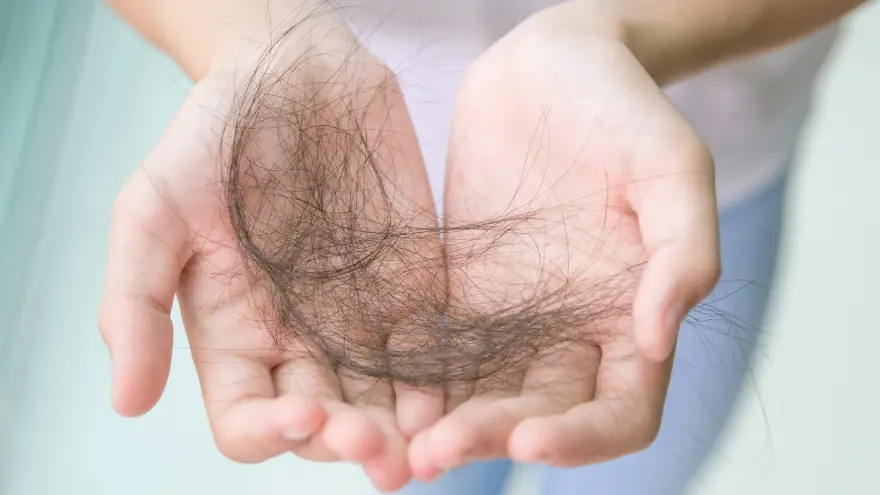
Hair loss is often reduced to “genetics” or “hormones,” but clinically, it is more layered.
Common contributing factors include:
- Androgen sensitivity (especially DHT-related miniaturization)
- Reduced scalp blood flow
- Chronic micro-inflammation around follicles
- Stress-related hormonal disruption
- Nutritional deficiencies
- Post-pregnancy or post-illness shedding
- Aging-related stem cell decline in the scalp
In many patients — particularly in early stages — follicles are not dead. They are exhausted, inflamed, or under-supported.
This is the window where non-transplant treatments can help.
When Hair Can Improve Without Transplants?
1. Early-Stage Thinning (The Most Important Window)
Patients often wait too long.
By the time baldness is obvious, follicles may already be gone. But in early thinning — when hair density decreases, ponytails feel thinner, or the scalp becomes visible under light — follicles are usually still present.
In these cases, non-surgical treatments can:
- Strengthen existing hairs
- Extend the growth phase (anagen)
- Reduce shedding
- Improve overall scalp health
This doesn’t restore teenage hair density — but it can significantly delay or prevent progression.
2. Stress- or Hormone-Related Hair Loss
Hair loss following:
- Major stress
- Illness
- Surgery
- Childbirth
- Rapid weight loss
is often reactive, not permanent.
In these cases, follicles enter a resting phase but remain viable. With proper support, hair can return over time.
This is one of the clearest situations where transplants are not appropriate.
What Non-Transplant Treatments Actually Work — And Why?
1. Medical Therapy (Foundational, Not Optional)
From a medical standpoint, hair regrowth without transplants almost always requires biological intervention, not cosmetics alone.
Prescription-based therapies help by:
- Reducing follicle miniaturization
- Stabilizing hormonal impact
- Supporting growth cycles
These are not instant solutions. They are long-term stabilizers.
Importantly, they work best before visible baldness appears.
2. Regenerative Treatments (Where Modern Medicine Is Evolving)
This is where interest has grown rapidly — and where expectations need grounding.
Regenerative approaches such as:
- PRP (platelet-rich plasma)
- Growth-factor–based therapies
- Fat-derived regenerative support
aim to improve the follicular environment, not create new follicles.
They work by:
- Reducing inflammation
- Improving microcirculation
- Supporting stem cell signaling
- Enhancing follicle metabolism
In patients with weak but viable follicles, these treatments can:
- Thicken hair shafts
- Increase density appearance
- Improve hair quality and strength
At Sinsang, regenerative therapies are used selectively — never as miracles, but as supportive tools within a medically guided plan.
3. Scalp Environment Optimization (Often Overlooked)
Hair grows from skin.
If the scalp is:
- Chronically inflamed
- Poorly vascularized
- Fibrotic
- Stressed by harsh treatments
even the best therapies underperform.
In many patients, addressing:
- Chronic scalp inflammation
- Sebum imbalance
- Microvascular compromise
leads to noticeable improvement in hair quality — even without aggressive regrowth treatments.
This is particularly relevant for patients who say,
“My hair didn’t just thin — it feels unhealthy.”
Where Non-Transplant Treatments Reach Their Limit?
It’s important to be direct.
Hair cannot be regrown without transplants when:
- Follicles are permanently lost
- Scalp skin is scarred or shiny
- Bald areas have been stable for many years
- Hairline recession has fully matured
In these cases, non-surgical treatments may protect remaining hair, but they will not refill bald zones.
This is not failure — it’s anatomy.
Why Some Patients Feel Non-Transplant Treatments “Didn’t Work”?
In our experience, disappointment usually comes from one of three issues:
- Treatment started too late 2.Expectations were unrealistic 3.Therapies were used without diagnosis
Hair medicine fails when it is generalized.
Successful non-transplant regrowth depends on:
- Hair loss pattern
- Duration
- Scalp condition
- Age
- Hormonal profile
- Lifestyle factors
This is why medical evaluation matters more than product choice.
A Surgeon’s Perspective: Prevention Is the Real Victory
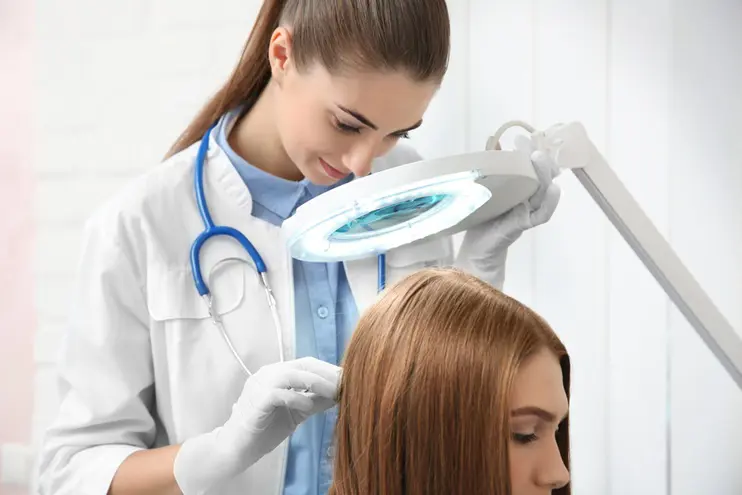
From a long-term aesthetic perspective, the most successful patients are not those who regrow the most hair — but those who never progress to advanced loss.
Non-transplant treatments excel at:
- Preserving existing density
- Slowing visible aging
- Maintaining natural hairlines
- Delaying or avoiding surgery altogether
At Sinsang, we often say:
“The best transplant is the one you never need.”
When Transplants Become the Right Answer?
There is no shame in hair transplants — when they are appropriate.
Transplants are best when:
- Hair loss is advanced
- Bald areas are established
- Density restoration is the primary goal
But even then, non-transplant treatments remain important to:
- Protect native hair
- Improve scalp health
- Support long-term results
The smartest plans combine surgery and medicine, not one or the other.
Why Clinic Philosophy Matters?
Hair loss treatment is one of the most commercially exploited areas in aesthetics.
Promises are loud. Results are variable.
At Sinsang Plastic and Reconstructive Surgery:
- Hair concerns are evaluated medically, not cosmetically
- Regenerative options are used responsibly
- Transplants are recommended only when necessary
- Long-term scalp and hair health are prioritized over quick claims
This approach protects patients — even when it means advising patience instead of procedures.
A Clear, Honest Conclusion
So — can hair be regrown without transplants?
Yes — when follicles are still alive and treatment begins early. No — when follicles are permanently lost.
Non-transplant treatments are not miracles.
They are biological support systems.
When used at the right time, for the right patient, they can preserve hair, improve density, and delay surgery for years — sometimes indefinitely.
If you’re concerned about hair loss, the most important step is not choosing a treatment.
It’s understanding what stage your hair is actually in.
A consultation with a medically guided, regenerative-focused clinic can clarify that — and help you decide whether regrowth, preservation, or restoration is the most realistic goal.
At Sinsang Plastic and Reconstructive Surgery, we believe the best hair outcomes come from timing, honesty, and respect for biology — not promises.
Clinical Guidance & Recovery Considerations
All surgical and non-surgical treatments carry potential risks such as temporary swelling, bruising, asymmetry, or infection depending on individual anatomy. Detailed indications and personalized recovery expectations are confirmed during in-person ultrasonic evaluation with a Sinsang board-certified specialist.
Patient Concierge
Gangnam Station / Sinsa Area · 150 Dosan-daero 5F–6F, Seoul
Mon–Thu 10:00–19:00 · Fri 10:00–21:00 · Sat 10:00–17:00
Online Inquiry Form →WhatsApp (+1 201-940-3238)LINE (@853akazy)CONTINUE EXPLORING
More Medical Insights

Rising Demand for Double Chin Revision Surgery: Korean Market Price Trends
Rising Demand for Double Chin Revision Surgery: Korean Market Price Trends
Explore →

What is fat grafting - Procedure, Uses, Types, Benefits, and Risks
What is fat grafting - Procedure, Uses, Types, Benefits, and Risks
Explore →

Why 9,000 Global Patients Chose Seoul for Specialized Neck Contouring Surgery
Why 9,000 Global Patients Chose Seoul for Specialized Neck Contouring Surgery
Explore →
INTERNATIONAL CONCIERGE · GANGNAM, SEOUL
Begin Your Personalized Surgical Plan With Sinsang Specialists
Share your goals online or connect directly via our official WhatsApp or LINE concierge for pre-travel assessment and scheduling.