
CLINICAL ARTICLE
Anti-Aging with Stem Cells: Fact or Fiction?
Uncover the truth about anti-aging with stem cells—science or hype? Explore benefits, risks, and real results in this cutting-edge field. Learn more now!
Anti-Aging with Stem Cells: Fact or Fiction?
It usually starts the same way.
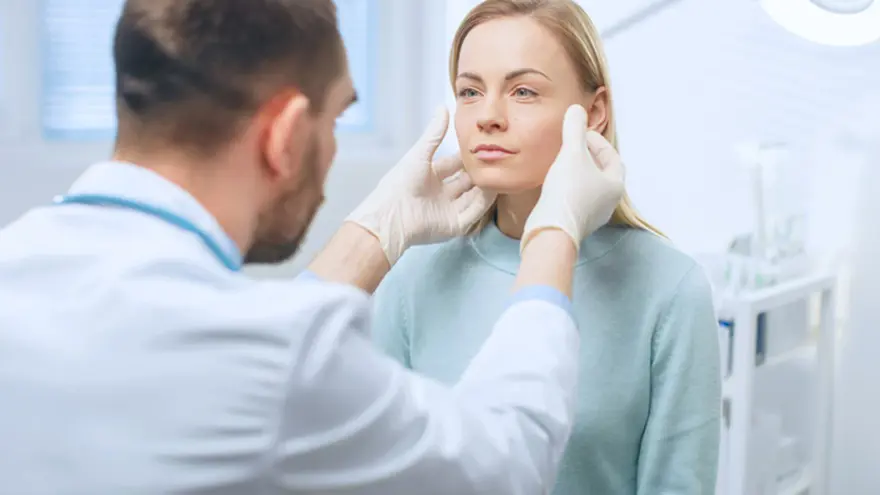
A patient sits across from us in a quiet consultation room in Gangnam and lowers their voice slightly, as if sharing a secret.
“I keep hearing about stem cells,” they say. “Some clinics say they can reverse aging. Is that really possible?”
To be honest, this question has become one of the most common — and most misunderstood — conversations in modern aesthetic medicine.
Stem cells are often portrayed as a miracle. A single injection that can turn back time, erase wrinkles, and restore youth at a cellular level. In reality, the truth is far more nuanced — and far more interesting — than the marketing slogans suggest.
At Sinsang Plastic and Reconstructive Surgery, where regenerative science is integrated into surgical planning rather than sold as a shortcut, we believe patients deserve clarity. Not hype. Not fear. Just facts, explained with the depth and honesty that real medicine requires.
So let’s talk plainly.
Are stem cells in anti-aging real science?
Yes.
Are they a magic cure for aging?
No.
And understanding the difference matters more than most people realize.
Why Aging Isn’t Just About Wrinkles?
One of the biggest misconceptions about aging is that it’s a surface problem.
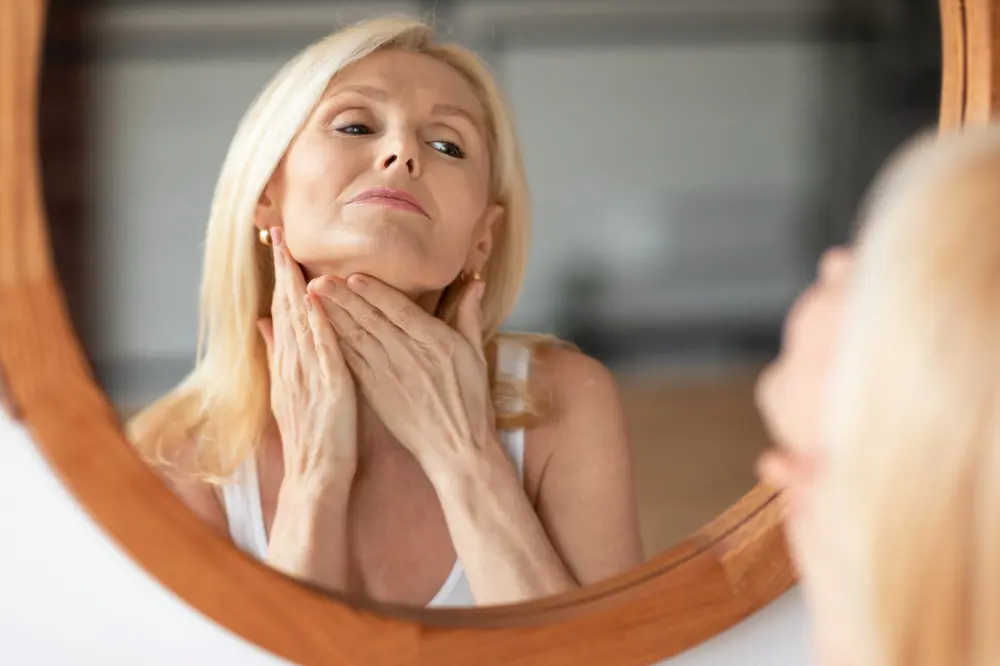
Many patients focus on fine lines, sagging skin, or loss of jawline definition — all visible signs. But from a surgeon’s perspective, facial aging begins much deeper, long before wrinkles appear.
Over time, several changes happen simultaneously:
- Structural ligaments loosen
- Deep fat compartments shrink or descend
- Skin quality deteriorates due to reduced collagen production
- Microcirculation becomes less efficient
- Cellular repair slows down
We often explain this using a traditional hanok analogy. A hanok doesn’t collapse because the roof tiles age. It shifts because the wooden beams beneath slowly lose their tension and alignment. Replacing the roof without reinforcing the structure doesn’t solve the problem — it just hides it temporarily.
Aging works the same way.
This is why advanced anti-aging treatments must address structure, skin quality, and healing capacity — not just appearance.
And this is where stem cell science enters the conversation.
What Stem Cells Actually Are (And What They Are Not)
Stem cells are not fillers.
They are not Botox.
They are not instant beauty injections.
In medical terms, stem cells are undifferentiated cells capable of supporting tissue repair through signaling, regeneration, and immune modulation. In aesthetic medicine, we primarily work with adult mesenchymal stem cells, often derived from adipose (fat) tissue.
But here’s an important clarification many patients don’t hear:
Most aesthetic applications do not rely on stem cells “turning into” new skin or fat.
Instead, their value lies in what they secrete.
Stem cells release growth factors, cytokines, and extracellular vesicles that:
- Stimulate collagen production
- Improve microvascular circulation
- Reduce chronic inflammation
- Enhance tissue repair after surgery
- Support healthier, more resilient skin over time
In other words, stem cells don’t rewind the clock — they optimize the body’s ability to age better.
That distinction is crucial.
The Line Between Science and Marketing
The phrase “stem cell anti-aging” has been stretched dangerously thin by marketing.
Some clinics imply that stem cell injections alone can replace facelifts, reverse gravity, or permanently stop aging. This is where fiction begins.
From a surgical standpoint, there are clear limitations:
- Stem cells cannot lift sagging SMAS layers
- They cannot reposition descended fat pads
- They cannot recreate lost structural support
- They cannot defy gravity
What they can do is improve tissue quality and healing environment — especially when used correctly and ethically.
At Sinsang, regenerative therapy is never positioned as a standalone miracle. It is used as a supportive biological strategy, often combined with surgical correction or structural procedures.
This is why outcomes differ dramatically between clinics offering “stem cell injections” and centers that integrate regenerative medicine into comprehensive treatment planning.
Where Stem Cells Truly Make a Difference?

So where does fact end and fiction begin?
Let’s talk about where stem cells genuinely add value, based on real clinical experience.
1. Enhancing Surgical Healing and Longevity
One of the least advertised — but most powerful — benefits of stem cell therapy is its effect on postoperative recovery.
After facelifts, neck lifts, or liposuction, tissues undergo controlled trauma. The quality of healing determines scar appearance, skin texture, swelling duration, and long-term satisfaction.
Regenerative support can:
- Reduce prolonged inflammation
- Improve blood supply to healing tissues
- Enhance collagen remodeling
- Support smoother, more natural skin texture
Many patients notice not a dramatic overnight change, but a steadier, healthier recovery — fewer complications, less stiffness, and better skin vitality months later.
This is not cosmetic magic. It’s biological optimization.
2. Improving Skin Quality, Not Just Volume
Another area where stem cells show promise is skin regeneration.
Patients often ask, “Will it make my wrinkles disappear?”
A more accurate question is:
“Will my skin behave younger?”
Over time, stem cell–derived signaling can improve:
- Elasticity
- Dermal thickness
- Skin tone uniformity
- Resistance to environmental stress
The result is not an artificial smoothness, but a subtle resilience — skin that looks healthier, responds better to treatments, and ages more gracefully.
This is particularly meaningful for patients who fear the “overdone” look common in aggressive filler-heavy approaches.
3. Supporting Fat Grafting Outcomes
In facial fat grafting, one of the biggest challenges is cell survival.
Even with meticulous technique, not all transplanted fat survives. Regenerative enhancement can improve graft retention by supporting vascularization and reducing inflammatory loss.
This is one reason regenerative medicine is deeply intertwined with structural facial procedures in advanced clinics — not sold as an isolated service.
Why Results Vary So Widely Between Patients?

One uncomfortable truth in aesthetic medicine is that not all patients respond the same way — especially with regenerative treatments.
Factors that influence outcomes include:
- Age
- Smoking history
- Metabolic health
- Skin quality
- Previous procedures
- Genetic healing capacity
This is why we emphasize diagnostics before promises.
At Sinsang, advanced 3D facial analysis and ultrasonic imaging help us evaluate:
- Skin thickness
- Fat compartment integrity
- Vascular patterns
- Structural descent
Without this information, offering stem cell therapy blindly is not just ineffective — it’s irresponsible.
The Ethical Responsibility Behind Regenerative Medicine
Stem cell therapy occupies a sensitive space between innovation and exploitation.
As surgeons, we carry a responsibility to protect patients from exaggerated claims — even when those claims are profitable.
Real regenerative medicine requires:
- Proper cell handling and processing
- Sterile, controlled laboratory environments
- Clear indications
- Long-term outcome monitoring
This is why in-house regenerative capabilities matter. Not all “stem cell” treatments are created equal, and many marketed procedures contain minimal viable regenerative material.
Patients deserve transparency.
So — Fact or Fiction?
The honest answer?
Anti-aging with stem cells is neither a miracle nor a myth. It is a tool.
A powerful one — when used correctly, ethically, and in the right clinical context.
Stem cells do not stop aging.
They do not replace surgery.
They do not defy biology.
But they can support healthier aging, improve tissue quality, and enhance long-term results when integrated into surgeon-led treatment plans.
And that difference — between fantasy and function — is where real aesthetic medicine lives.
A Final Thought for Patients Considering Stem Cell Therapy
If you are exploring regenerative anti-aging treatments, ask better questions — not bigger promises.
- Is this treatment tailored to my anatomy?
- Is it combined with structural evaluation?
- Is the surgeon directly responsible for planning and execution?
- Are regenerative therapies used to support healing, not replace reality?
At Sinsang Plastic and Reconstructive Surgery, regenerative medicine is not about selling youth. It’s about respecting biology, structure, and time — and helping patients age with confidence, safety, and natural balance.
If these concerns sound familiar, a consultation with a board-certified surgeon who understands both surgical anatomy and regenerative science can help you understand what is possible — and what is not — for your face, your body, and your long-term results.
Clinical Guidance & Recovery Considerations
All surgical and non-surgical treatments carry potential risks such as temporary swelling, bruising, asymmetry, or infection depending on individual anatomy. Detailed indications and personalized recovery expectations are confirmed during in-person ultrasonic evaluation with a Sinsang board-certified specialist.
Patient Concierge
Gangnam Station / Sinsa Area · 150 Dosan-daero 5F–6F, Seoul
Mon–Thu 10:00–19:00 · Fri 10:00–21:00 · Sat 10:00–17:00
Online Inquiry Form →WhatsApp (+1 201-940-3238)LINE (@853akazy)CONTINUE EXPLORING
More Medical Insights

Rising Demand for Double Chin Revision Surgery: Korean Market Price Trends
Rising Demand for Double Chin Revision Surgery: Korean Market Price Trends
Explore →

What is fat grafting - Procedure, Uses, Types, Benefits, and Risks
What is fat grafting - Procedure, Uses, Types, Benefits, and Risks
Explore →

Why 9,000 Global Patients Chose Seoul for Specialized Neck Contouring Surgery
Why 9,000 Global Patients Chose Seoul for Specialized Neck Contouring Surgery
Explore →
INTERNATIONAL CONCIERGE · GANGNAM, SEOUL
Begin Your Personalized Surgical Plan With Sinsang Specialists
Share your goals online or connect directly via our official WhatsApp or LINE concierge for pre-travel assessment and scheduling.